Skip to content
  • IPÊ
    • Sobre o IPÊ
    • Missão
    • Nosso Credo
    • Governança
    • Estratégias
    • Apoiadores e Parceiros
    • Prêmios
    • Imprensa
    • Ipeanos
    • Onde Estamos
    • Nossos Resultados
    • Relatórios Anuais
    • Seja nosso Parceiro
  • Doe Agora
    • Doe Florestas
    • Por que doar?
    • Arredonde Suas Compras
    • Doe com PayPal ou Conta Corrente
    • Doações internacionais
    • Adote uma Espécie
    • Proteja o Sistema Cantareira
  • Notícias
    • Últimas Notícias
  • Projetos
    • Baixo Rio Negro
    • Nazaré Paulista
    • Pantanal e Cerrado
    • Sul da Bahia
    • Pontal do Paranapanema
    • Projetos Temáticos
      • Voluntariado para Conservação
      • Pesquisa e Desenvolvimento / P&D
      • Áreas Protegidas
      • Integração Escola e Comunidade
      • Projeto Escolas Climáticas
      • Paisagens climáticas
      • Centro de Educação e Cooperação Socioambiental para o Clima
      • Fábrica de Soluções
      • Territórios da Vida Silvestre
  • Negócios Sustentáveis
    • Marketing Relacionado a Causas
    • Cases de MRC
    • Modelos de Parcerias
    • Iniciativas para Doação
  • Soluções em Educação
    • Escas
    • Mestrado Profissional
    • Pós-graduação
    • Cursos de Curta Duração
  • Publicações
    • Flora Regional
    • Boas Práticas em UCs
    • Atlas Cantareira
    • Artigos Científicos
    • Séries Técnicas, Guias e Outros Materiais
  • Estatuto
  • Código de Ética
  • Parcerias Públicas
  • Fale Conosco

Lower Rio Negro

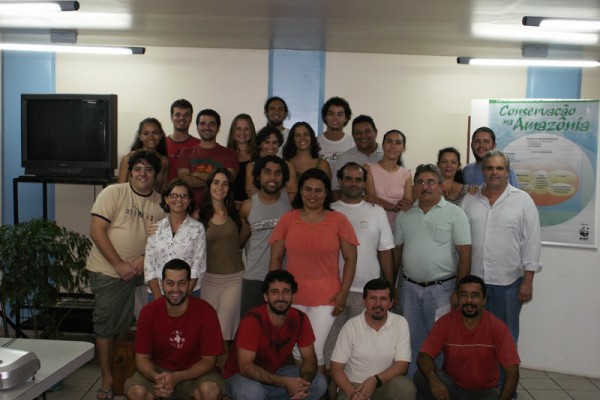
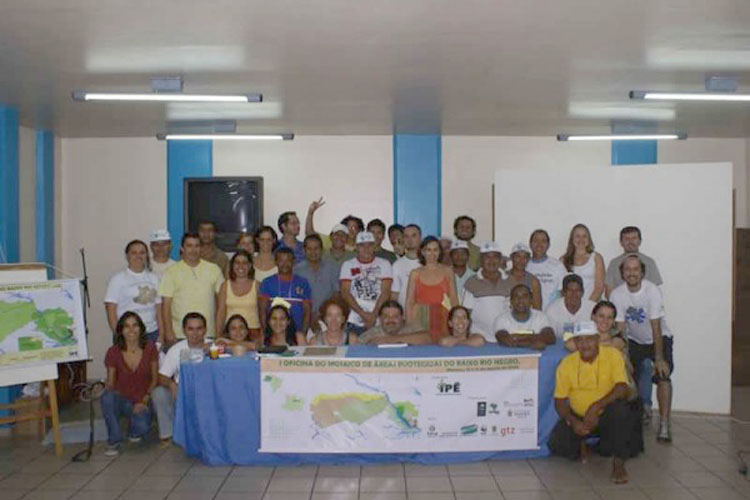
IPÊ researchers have worked in the Lower Rio Negro of Amazonia since 2000, carrying out projects to promote biodiversity and socio-environmental sustainability in a mosaic of conservation units totaling approximately 1,800,000 hectares. Specifically, we work in the following areas: Anavilhanas Ecological Station, Rio Negro State Parks- North and South Sectors, Rio Negro Left Bank State Protected Area – Aturiá-Apuazinho Sector, Rio Negro Right Bank State Protected Area- Puduari-Solimões Sector, and the Tupé Municipal Reserve for Sustainable Development.

Navigating Entrepreneurial Education In The Amazon

10 de November de 202215 de August de 2022 by IPE

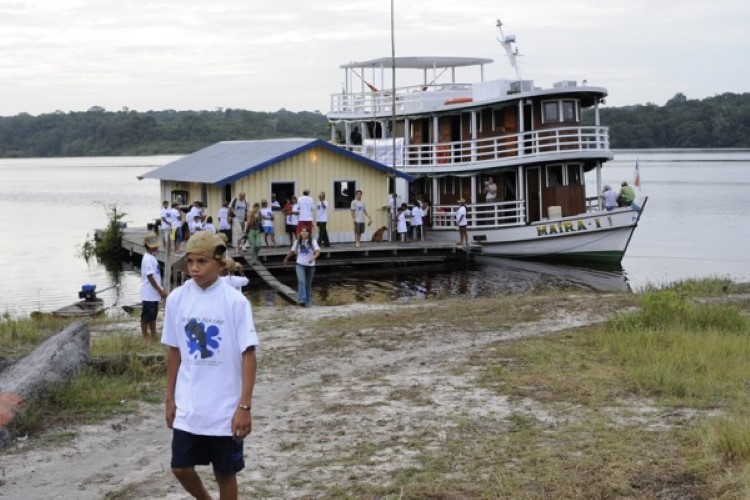
::cck::1079::/cck::::introtext:: In 2021, with the support of the LIRA/IPÊ project – Integrated Legacy of the Amazon Region, and a partnership with LinkedIn, the largest professional social network in the world, it was possible to renovate the Maíra I boat and to initiate the Navigating Entrepreneurial Education in the Amazon project. ::/introtext::::fulltext:: In a survey carried … Read more
Categories Lower Rio Negro Leave a comment

Environmental Education

25 de January de 2017 by IPE

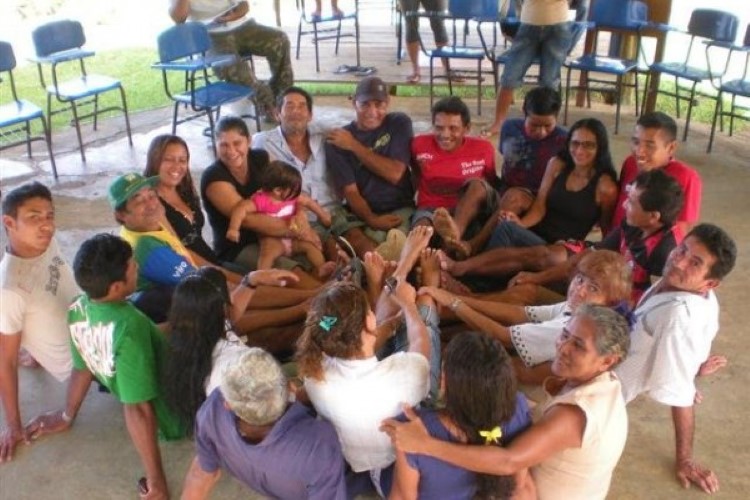
::cck::176::/cck::::introtext:: IPÊ has developed environmental education projects in communities of the lower Rio Negro since 2001. ::/introtext::::fulltext:: Using constructive educational activities, IPÊ encourages persons to become active participants in our initiatives and to exercise citizenship and respect for life in the region. We use a variety of techniques to stimulate participants of conservation programs and … Read more

Categories Lower Rio Negro Leave a comment

Floating Education in Amazonia

25 de January de 2017 by IPE

::cck::175::/cck::::introtext:: The boat Maíra I travels among the communities of Amazonia promoting socio-environmental activities. ::/introtext::::fulltext:: The Maíra I is a fundamental means of transport to reach riverine communities, as access in the region is almost exclusively through waterways. The boat can accommodate sixteen persons in cabins and 10 additional passengers on hammocks. The boat navigates … Read more

Categories Lower Rio Negro Leave a comment

Introductory Course for Management of Conservation Units

25 de January de 2017 by IPE

::cck::174::/cck::::introtext:: Training for specialized staff is indispensible to consolidating the new conservation units created by ARPA programs and strengthen the management of existing units in Amazonia. ::/introtext::::fulltext:: This is particularly relevant because of the current tendency for turnover of technical management staff in conservation units and the broadening of the management concept. In light of … Read more

Categories Lower Rio Negro Leave a comment

Protected Areas Mosaic Project

25 de January de 2017 by IPE

::cck::173::/cck::::introtext:: Article 26 of the SNUC (Brazilian System of Conservation Units) recommends that when different types of protected lands (parks, ecological stations, extractivist reserves and indigenous lands) occur in proximity or overlap, a mosaic of these areas be created with integrated and participative management to preserve biodiversity and value the socio-cultural diversity and sustainable local … Read more

Categories Lower Rio Negro Leave a comment

Agro-Biodiversity Project

25 de January de 2017 by IPE

::cck::172::/cck::::introtext:: This project works directly with questions of agriculture, food security and cultural valuation through innovative fronts in conservation and sustainable use of biodiversity. This initiative began in 2005 with support from the National Fund for the Environment. We have undertaken ethno-botanical and agro-forestry management and proposed participative diagnoses, ethno-botanical and agro-ecological research such as … Read more

Categories Lower Rio Negro Leave a comment

Community-Based Tourism

25 de January de 2017 by IPE

::cck::171::/cck::::introtext:: When tourism is directly associated with conservation units, the balance between maximizing the quality of the visitor experience and minimizing the negative environmental effects of this activity become important. ::/introtext::::fulltext:: The lower Rio Negro has characteristics that make it a tourism magnet in Amazonas State. These characteristics include the scenic beauty of the black … Read more

Categories Lower Rio Negro Leave a comment

Amazonian Manatee Conservation Project

25 de January de 2017 by IPE

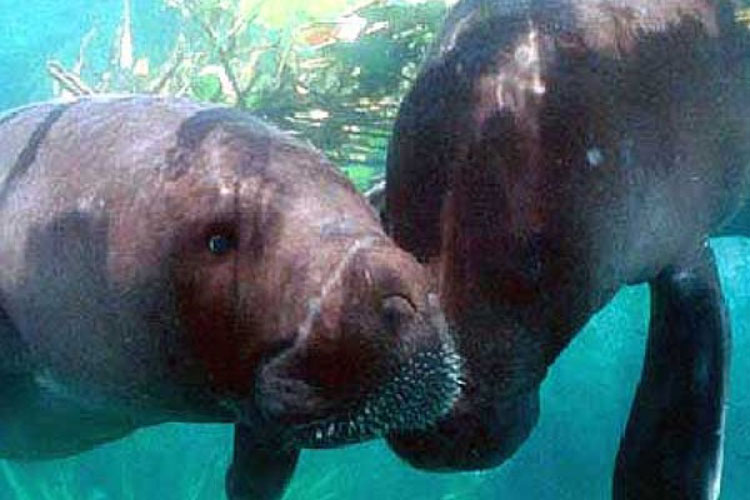
::cck::170::/cck::::introtext:: The Amazonian Manatee Conservation Project began in Anavilhanas National Park in 2003. Since its inception, IPE researchers have promoted the conservation of the species in the lower Rio Negro through studies with wild animals, reintroduction projects and environmental education. ::/introtext::::fulltext:: The lower Rio Negro region is composed of a mosaic of conservation units (including … Read more

Categories Lower Rio Negro Leave a comment

Posts Recentes

  • IPÊ inaugura nova sede em Manaus/AM 
  • Projeto fortalece o manejo de castanha-da-amazônia na Flona de Caxiuanã, no Pará
  • Oportunidade: Seleção de Pessoa Jurídica para desenvolvimento de cadeias da sociobiodiversidade na Chapada do Araripe (CE) 
  • Comunitário da RDS Puranga Conquista participa de evento nacional de Restauração Ecológica em Brasília
  • Cartilha sobre meliponicultura do Projeto Agroecologia em Rede é premiada em Congresso Amazonense de Meliponicultura 

Publicações

  • August 2026
  • July 2026
  • June 2026
  • May 2026
  • April 2026
  • March 2026
  • February 2026
  • January 2026
  • December 2025
  • November 2025
  • October 2025
  • September 2025
  • August 2025
  • July 2025
  • June 2025
  • May 2025
  • April 2025
  • March 2025
  • February 2025
  • January 2025
  • December 2024
  • November 2024
  • October 2024
  • September 2024
  • August 2024
  • July 2024
  • June 2024
  • May 2024
  • April 2024
  • March 2024
  • February 2024
  • January 2024
  • December 2023
  • November 2023
  • October 2023
  • September 2023
  • August 2023
  • July 2023
  • June 2023
  • May 2023
  • April 2023
  • March 2023
  • February 2023
  • January 2023
  • December 2022
  • November 2022
  • October 2022
  • September 2022
  • August 2022
  • July 2022
  • June 2022
  • May 2022
  • April 2022
  • March 2022
  • February 2022
  • January 2022
  • December 2021
  • November 2021
  • October 2021
  • September 2021
  • August 2021
  • July 2021
  • June 2021
  • May 2021
  • April 2021
  • March 2021
  • February 2021
  • January 2021
  • December 2020
  • November 2020
  • October 2020
  • September 2020
  • August 2020
  • July 2020
  • June 2020
  • May 2020
  • April 2020
  • March 2020
  • February 2020
  • January 2020
  • December 2019
  • November 2019
  • October 2019
  • September 2019
  • August 2019
  • July 2019
  • June 2019
  • May 2019
  • April 2019
  • March 2019
  • February 2019
  • January 2019
  • December 2018
  • November 2018
  • October 2018
  • September 2018
  • August 2018
  • July 2018
  • June 2018
  • May 2018
  • April 2018
  • March 2018
  • February 2018
  • January 2018
  • December 2017
  • November 2017
  • October 2017
  • September 2017
  • August 2017
  • July 2017
  • June 2017
  • May 2017
  • April 2017
  • March 2017
  • February 2017
  • January 2017
  • December 2016
  • November 2016
  • October 2016
  • September 2016
  • August 2016
  • July 2016
  • June 2016
  • May 2016
  • January 2016
  • December 2015
  • November 2015
  • October 2015
  • September 2015
  • August 2015
  • July 2015
  • June 2015
  • May 2015
  • April 2015
  • March 2015
  • February 2015
  • January 2015
  • December 2014
  • November 2014
  • October 2014
  • September 2014
  • August 2014
  • July 2014
  • June 2014
  • May 2014
  • April 2014
  • March 2014
  • February 2014
  • January 2014
  • December 2013
  • November 2013
  • October 2013
  • September 2013
  • July 2013
  • June 2013
  • May 2013

Categorias

  • Annual Reports
  • Áreas Protegidas
  • Baixo Rio Negro
  • Boas Práticas
  • Cases de MRC
  • Centro de Educação e Cooperação Socioambiental para o Clima
  • COP-16 Agenda
  • COP16
  • COP30
  • Cursos
  • Depoimentos
  • Doe
  • Donate
  • Home
  • Home
  • Iniciativas para Doação
  • IPÊ
  • IPÊ
  • IPÊ
  • IPE
  • ipe em movimento
  • Não categorizado
  • Negócios Sustentáveis
  • News
  • Notícias
  • Paisagens Climáticas
  • Pesquisa e Desenvolvimento
  • Pontal do Paranapanema
  • Projetos
  • Projetos Temáticos
  • publicacoes
  • publicacoes
  • ra.2022
  • Relatórios Anuais
  • Thematic Projects
  • Uncategorised
A implementação do kmspico em sistemas educacionais ou corporativos permite uma utilização mais racional dos recursos e apoia iniciativas de proteção ambiental. Você pode download ativador kmspico com segurança agora mesmo.

Onde Estamos

Rod. Dom Pedro I, km 47
Nazaré Paulista, SP, Brasil
Caixa Postal 47 – 12964-022
Tel: (11) 3590-0041

Mapa para o IPÊ
Escritórios
Ouvidoria

Redes Sociais

  • Facebook
  • Twitter
  • Instagram
  • Youtube
  • Linkedin

Política de Privacidade
Programa de Privacidade
Políticas de Cookies

Termos de Uso | Estatuto
Copyright © Ipê – Instituto de Pesquisas Ecológicas.
Email: ipe@ipe.org.br

kraken onion kraken darknet kraken tor
A implementação do kmspico sistemas educacionais ou corporativos permite uma utilização racional dos recursos e apoia iniciativas de proteção ambiental Você pode download ativador kmspico com segurança agora mesmo kmspico.lc.