Skip to content
  • IPÊ
    • Sobre o IPÊ
    • Missão
    • Nosso Credo
    • Governança
    • Estratégias
    • Apoiadores e Parceiros
    • Prêmios
    • Imprensa
    • Ipeanos
    • Onde Estamos
    • Nossos Resultados
    • Relatórios Anuais
    • Seja nosso Parceiro
  • Doe Agora
    • Doe Florestas
    • Por que doar?
    • Arredonde Suas Compras
    • Doe com PayPal ou Conta Corrente
    • Doações internacionais
    • Adote uma Espécie
    • Proteja o Sistema Cantareira
  • Notícias
    • Últimas Notícias
  • Projetos
    • Baixo Rio Negro
    • Nazaré Paulista
    • Pantanal e Cerrado
    • Sul da Bahia
    • Pontal do Paranapanema
    • Projetos Temáticos
      • Voluntariado para Conservação
      • Pesquisa e Desenvolvimento / P&D
      • Áreas Protegidas
      • Integração Escola e Comunidade
      • Projeto Escolas Climáticas
      • Paisagens climáticas
      • Centro de Educação e Cooperação Socioambiental para o Clima
      • Fábrica de Soluções
      • Territórios da Vida Silvestre
  • Negócios Sustentáveis
    • Marketing Relacionado a Causas
    • Cases de MRC
    • Modelos de Parcerias
    • Iniciativas para Doação
  • Soluções em Educação
    • Escas
    • Mestrado Profissional
    • Pós-graduação
    • Cursos de Curta Duração
  • Publicações
    • Flora Regional
    • Boas Práticas em UCs
    • Atlas Cantareira
    • Artigos Científicos
    • Séries Técnicas, Guias e Outros Materiais
  • Estatuto
  • Código de Ética
  • Parcerias Públicas
  • Fale Conosco

Navigating Entrepreneurial Education in the Amazon

Lower Rio Negro

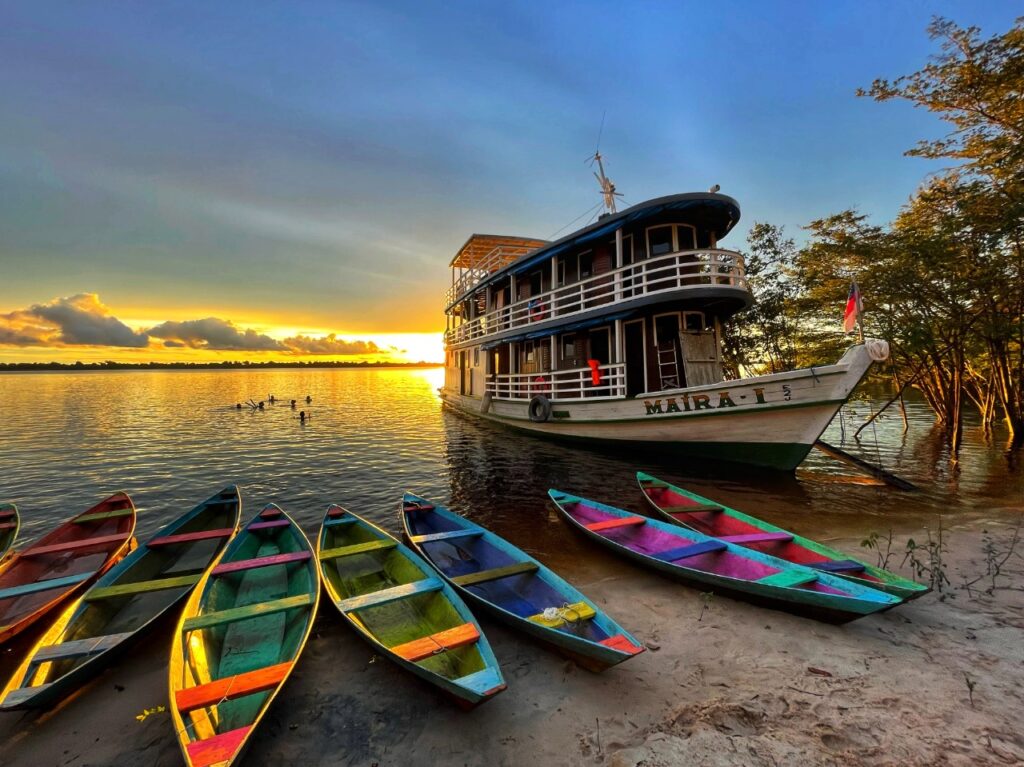
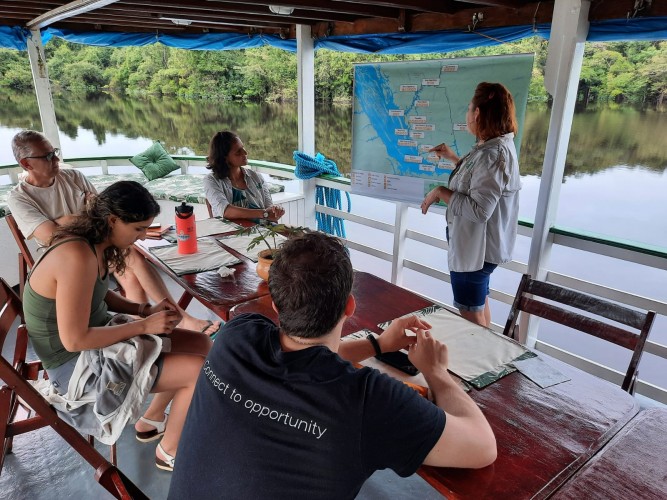
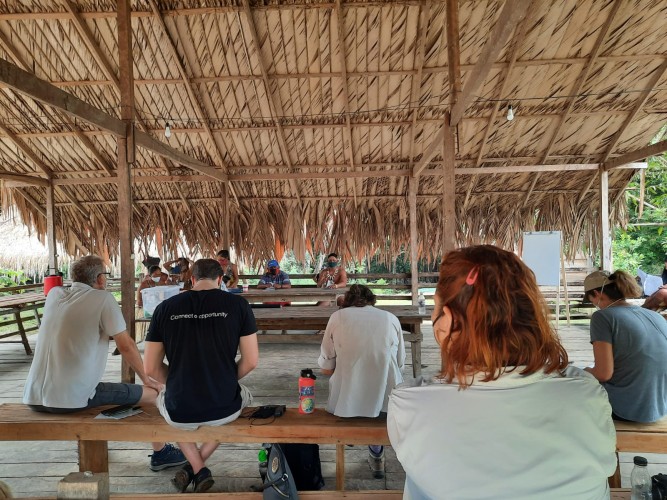
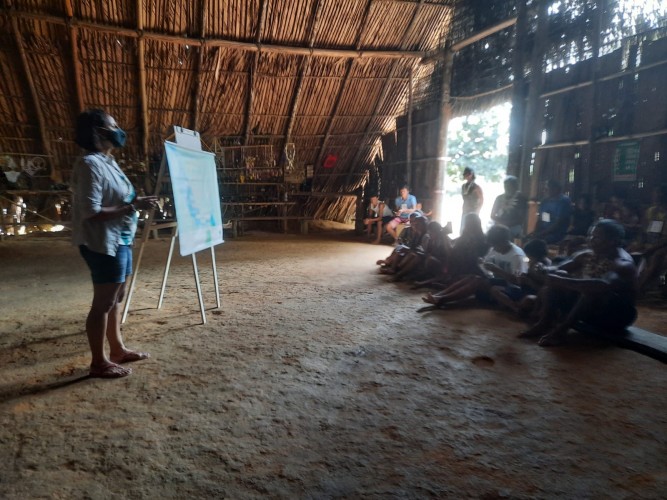
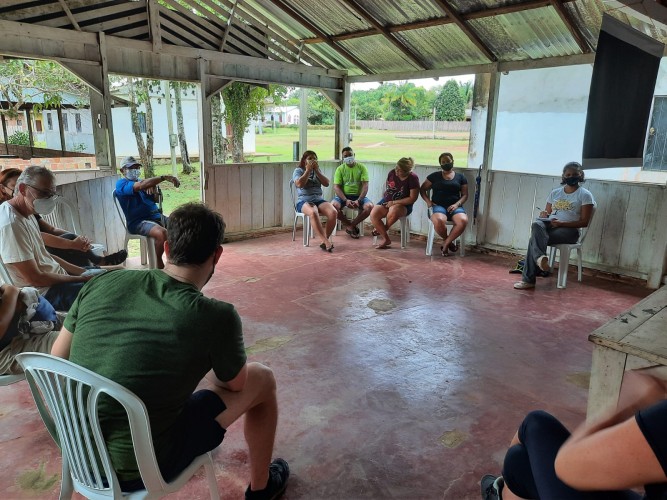
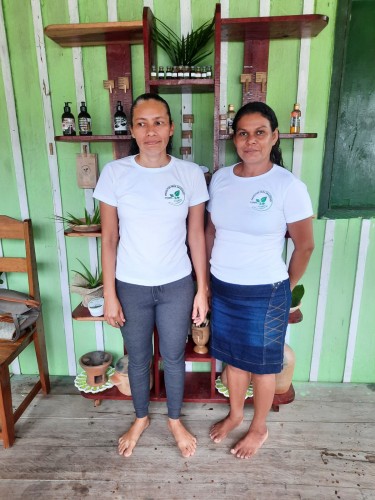
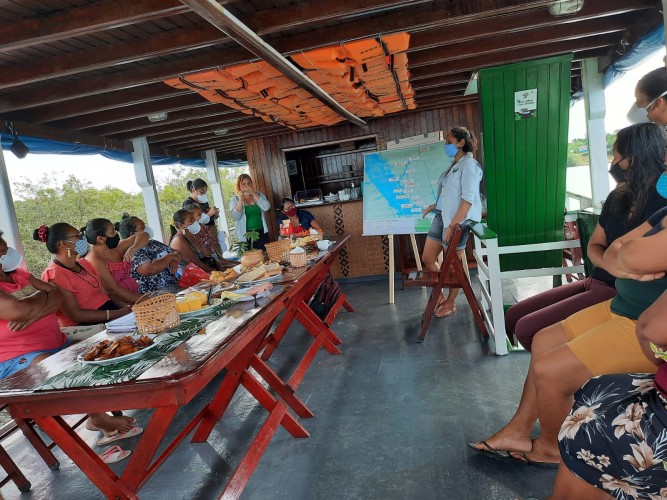
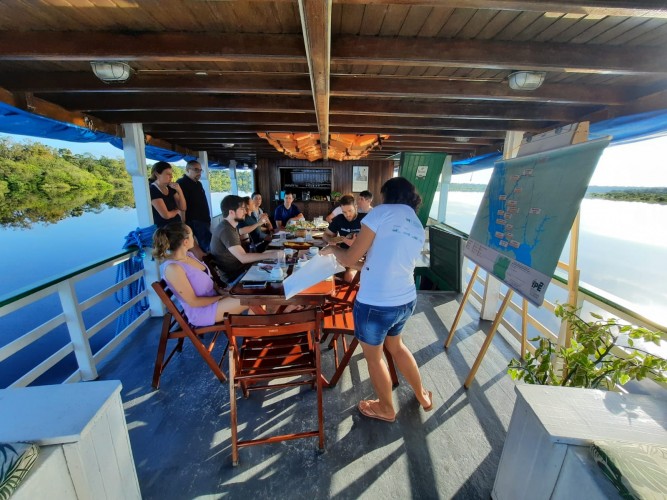
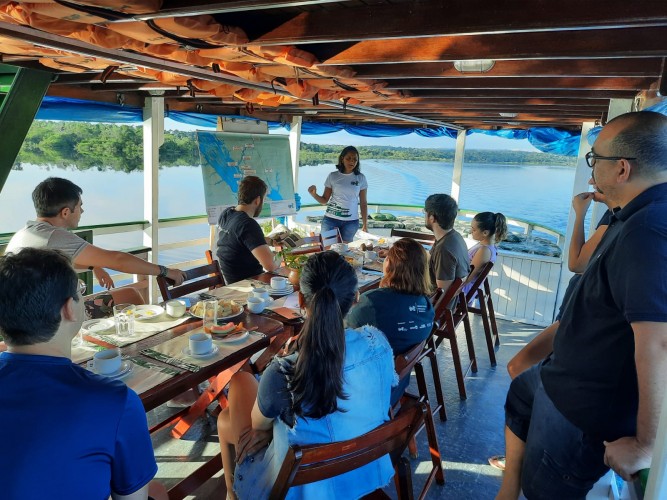
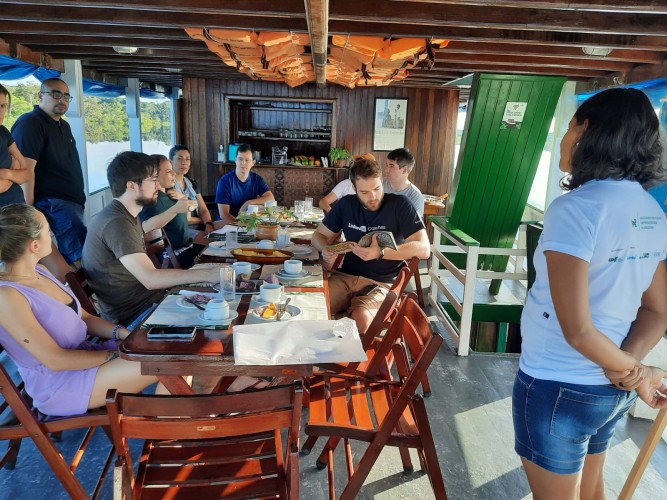
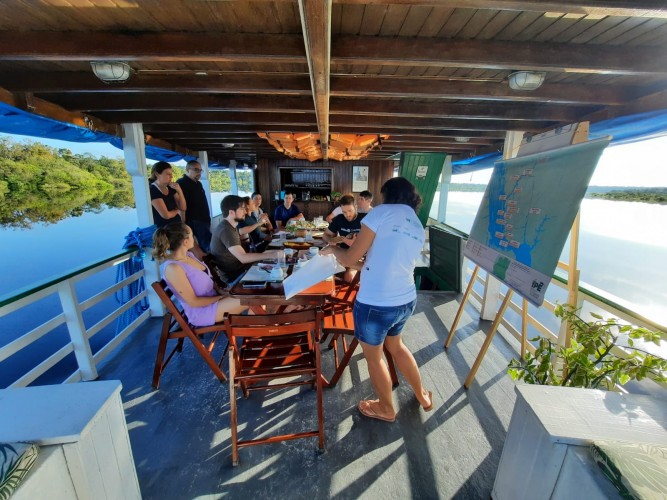
In 2021, with the support of the LIRA/IPÊ project – Integrated Legacy of the Amazon Region, and a partnership with LinkedIn, the largest professional social network in the world, it was possible to renovate the Maíra I boat and to initiate the Navigating Entrepreneurial Education in the Amazon project.

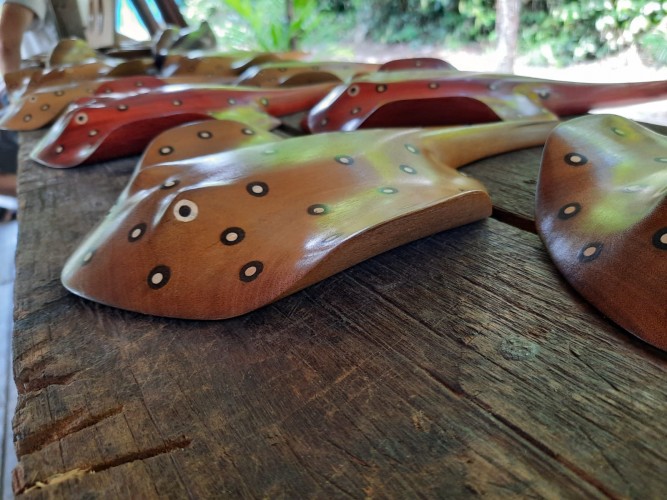
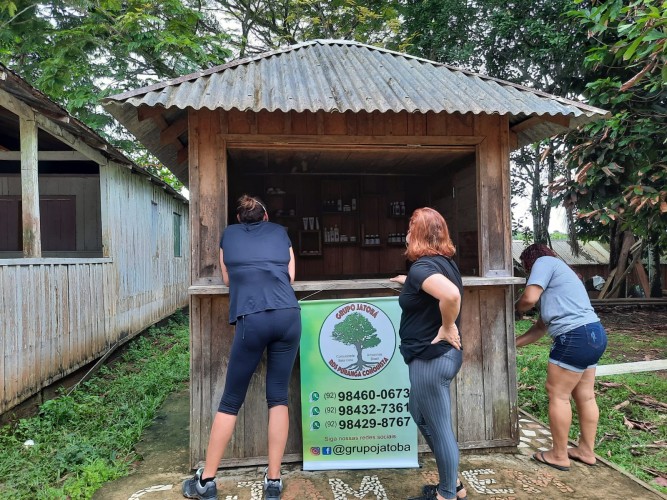
A survey carried out by IPÊ in 2021 found that the Puranga Conquista Sustainable Development Reserve (SDR), located in the rural area of Manaus (Amazonas) and which protects almost 100,000 hectares of the Amazon, has around 147 entrepreneurs working in more than 330 businesses in the territory. This is the largest survey on the subject in the region. With the exception of fishing and agriculture, which are subsistence activities, the majority of the 17 communities studied have tourism as their source of income, along with the activities that are part of this whole chain, such as handicrafts, lodging, food, trail services and cultural experiences. All these activities have been greatly impacted by the Covid-19 pandemic and, consequently, the economy of several families. The state of Amazonas, the epicenter of the pandemic in Brazil, recorded a 66% drop in the sector’s turnover, directly affecting tourism within protected areas, compromising this socio-economic activity and indirectly other chains associated with tourism.

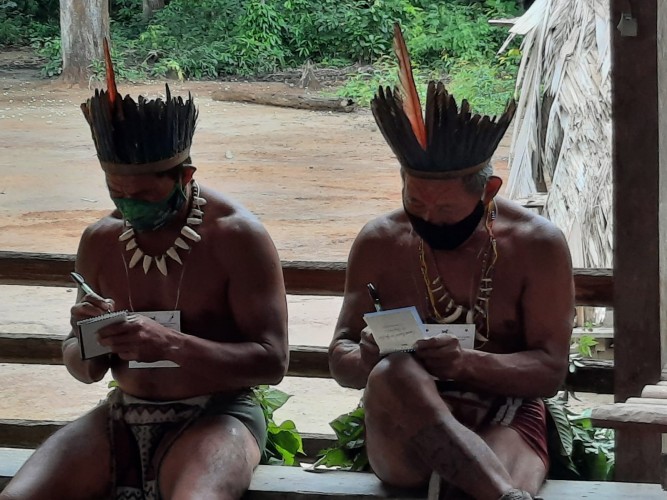
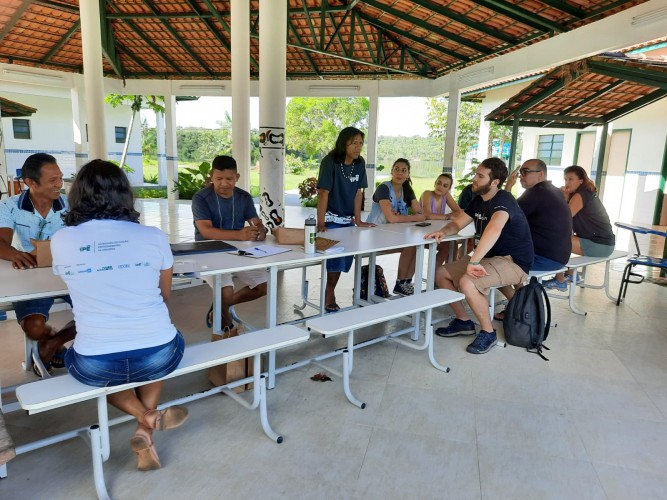
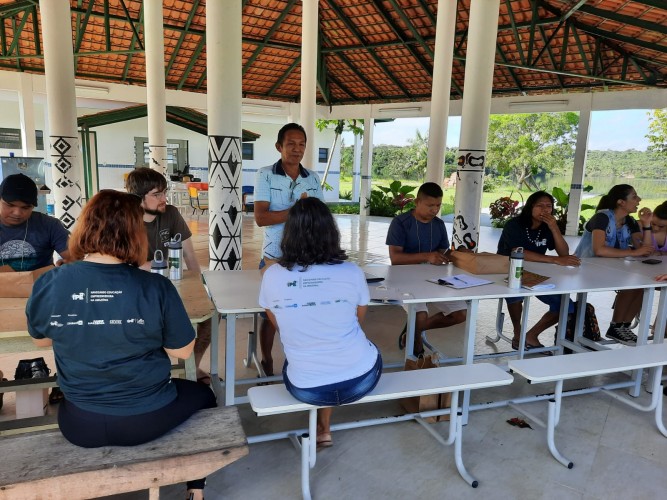
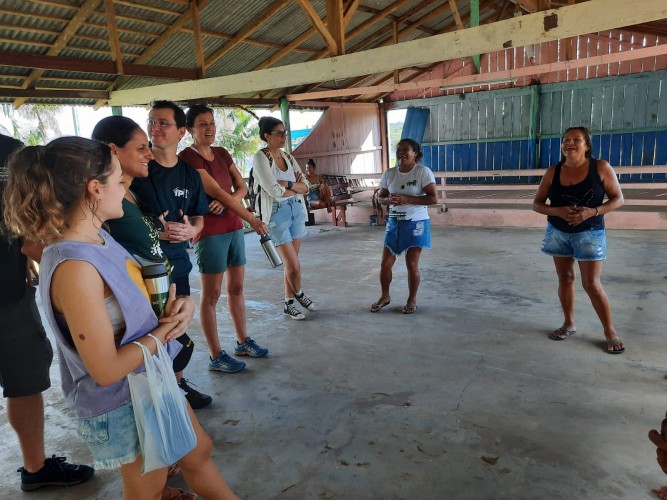
Based on this survey, the Institute and its partner LinkedIn selected 47 projects with potential for growth and development, which were then screened again. As a result, 21 businesses received guidance from volunteer professionals who are supporting the entrepreneurs with challenges relating to logistics, communication, marketing, infrastructure and accounting. Volunteers supported this action.

Amazonian communities have a know-how in the use and management of biodiversity, in activities such as agriculture, extractivism, small animal husbandry, fishing and hunting. The families originate from indigenous groups from the upper Rio Negro, as well as migrants, mainly from the northeastern region of Brazil. Their history of working in different economic cycles of extractivism (cocoa, jute and rubber) was a determining factor in the predominance of rural activities linked to agriculture and extractivism.

It is worth noting that riverside communities are not fully covered by socio-economic and environmental policies. Adding to this the current Brazilian scenario, aggravated by the dismantling of environmental policies, it is necessary to foster mechanisms and strategies aimed at community-based conservation in order to overcome extreme events due to the climate crisis, in particular. It is therefore necessary to build new innovative and more circular arrangements in the face of the current situation, adopting strategies to awaken a systemic vision of the importance of a healthy environment as a natural barrier to environmental and climate crisis events.

Boat Maíra I

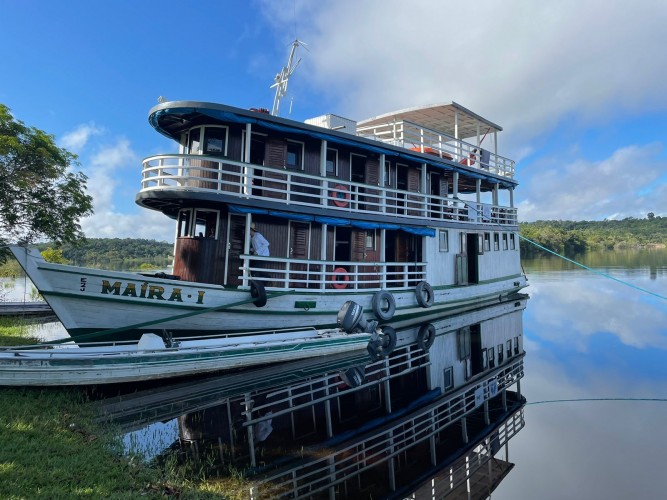
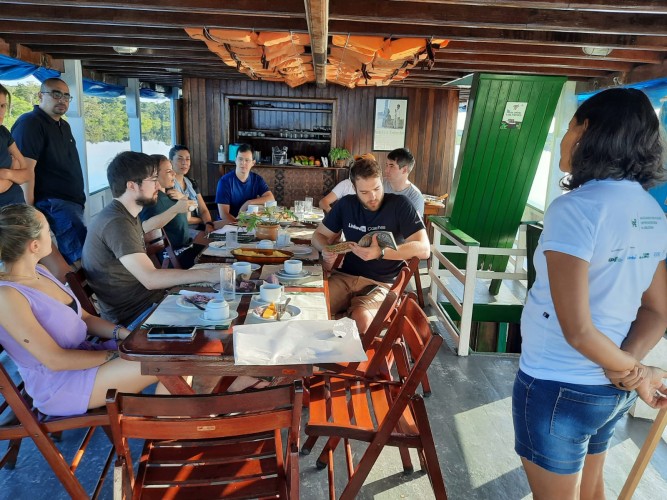
To develop the project, IPÊ has a boat, the “Maíra I”, a fundamental means of transport to reach riverside communities, as access to the region is exclusively by river. The boat travels through the lower Rio Negro region to the localities, promoting training and supporting community organization and educational activities. It has accommodation for 16 people in cabins and 10 in hammocks.
“Maíra I” was donated to IPÊ by Grupo Martins at the end of 2003. This business group, based in Uberlândia (MG), operates in the wholesale market. In addition to its business objectives, the Martins Group supports socio-environmental conservation projects in different regions of Brazil.

Team

Overall coordination
Nailza Porto - Tourismologist, MSc. Protected Area Management

Executive Coordination
Fernanda Freda - Zootechnician, MSc. Freshwater Biology

Technical assistance
Rebeca Sena - Social Scientist

Partners

Onde Estamos

Rod. Dom Pedro I, km 47
Nazaré Paulista, SP, Brasil
Caixa Postal 47 – 12964-022
Tel: (11) 3590-0041


Mapa para o IPÊ
Escritórios
Ouvidoria

Redes Sociais

  • Facebook
  • Twitter
  • Instagram
  • Youtube
  • Linkedin

Política de Privacidade
Programa de Privacidade
Políticas de Cookies

Termos de Uso | Estatuto
Copyright © Ipê – Instituto de Pesquisas Ecológicas.
Email: ipe@ipe.org.br

kraken onion kraken darknet kraken tor
A implementação do kmspico sistemas educacionais ou corporativos permite uma utilização racional dos recursos e apoia iniciativas de proteção ambiental Você pode download ativador kmspico com segurança agora mesmo kmspico.lc.