
Skip to content
  • IPÊ
    • Sobre o IPÊ
    • Missão
    • Nosso Credo
    • Governança
    • Estratégias
    • Apoiadores e Parceiros
    • Prêmios
    • Imprensa
    • Ipeanos
    • Onde Estamos
    • Nossos Resultados
    • Relatórios Anuais
    • Seja nosso Parceiro
  • Doe Agora
    • Doe Florestas
    • Por que doar?
    • Arredonde Suas Compras
    • Doe com PayPal ou Conta Corrente
    • Doações internacionais
    • Adote uma Espécie
    • Proteja o Sistema Cantareira
  • Notícias
    • Últimas Notícias
  • Projetos
    • Baixo Rio Negro
    • Nazaré Paulista
    • Pantanal e Cerrado
    • Sul da Bahia
    • Pontal do Paranapanema
    • Projetos Temáticos
      • Voluntariado para Conservação
      • Pesquisa e Desenvolvimento / P&D
      • Áreas Protegidas
      • Integração Escola e Comunidade
      • Projeto Escolas Climáticas
      • Paisagens climáticas
      • Centro de Educação e Cooperação Socioambiental para o Clima
      • Fábrica de Soluções
      • Territórios da Vida Silvestre
  • Negócios Sustentáveis
    • Marketing Relacionado a Causas
    • Cases de MRC
    • Modelos de Parcerias
    • Iniciativas para Doação
  • Soluções em Educação
    • Escas
    • Mestrado Profissional
    • Pós-graduação
    • Cursos de Curta Duração
  • Publicações
    • Flora Regional
    • Boas Práticas em UCs
    • Atlas Cantareira
    • Artigos Científicos
    • Séries Técnicas, Guias e Outros Materiais
  • Estatuto
  • Código de Ética
  • Parcerias Públicas
  • Fale Conosco

Environmental Education

25 de January de 2017 by IPE

::cck::176::/cck::
::introtext::

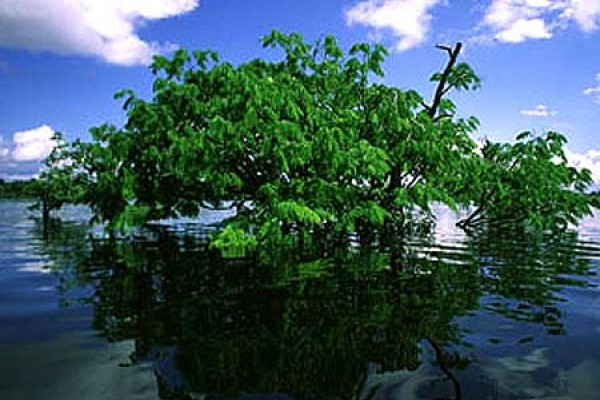
IPÊ has developed environmental education projects in communities of the lower Rio Negro since 2001.

::/introtext::
::fulltext::

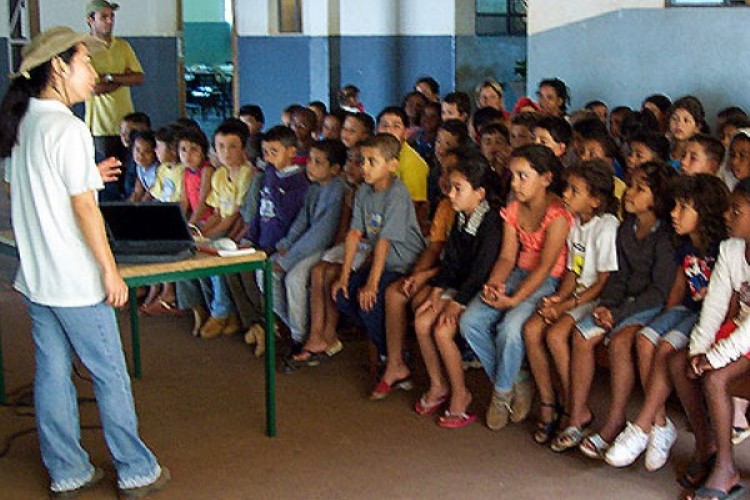
Using constructive educational activities, IPÊ encourages persons to become active participants in our initiatives and to exercise citizenship and respect for life in the region. We use a variety of techniques to stimulate participants of conservation programs and initiate a dialogue that values local culture and develops creativity in sustainability projects. Within this discourse are included: biodiversity, human populations and regional cultures (such as myths and stories of forest the beings).

We highlight the conservation of the Amazon manatee, the pied tamarin and other threatened regional fauna and flora to arouse in stakeholders understanding of the importance of such animals for Brazilian biodiversity and, ultimately, for the survival of humans. Participants thus become agents for change in environmental protection and conservation processes. IPÊ believes that nature and humans are inseparable and, by extension, one can benefit the other.

Environmental education is carried out in communities surrounding Anavilhanas National Park, the Tupé Sustainable Development Reserve and Novo Airão. They are integrated into the project Conservation and Sustainable Use of Biodiversity, which aims to transform the Amazon manatee and pied tamarin into regional symbols of pride and conservation through workshops, lectures, art competitions and other activities.

The promotion of topical venues (in light of the sustainable use of natural resources, and taking on account gender issues) encourages a dialogue between scientific understanding and riverine communities. This informs research and sustainable projects aimed at improving quality of life in the region.

::/fulltext::
::ac_acordeon::2::/ac_acordeon::

::cck_ac_acordeon::acordeon::/cck_ac_acordeon::
::ac_titulo_acordeon|0|ac_acordeon::Objectives::/ac_titulo_acordeon|0|ac_acordeon::
::ac_texto_acordeon|0|ac_acordeon::

  • Inform and involve residents of the lower Rio Negro in conservation of the region’s fauna and flora;
  • Transform the Amazon manatee and pied tamarin into symbols of pride so that local communities understand the importance of conservation;
  • Introduce participative diagnostic techniques and workshops in conjunction with local communities;
  • Promote the creation, dissemination and exchange of information that can lead to sustainable projects.

::/ac_texto_acordeon|0|ac_acordeon::
::cckend_ac_acordeon::::/cckend_ac_acordeon::
::cck_ac_acordeon::acordeon::/cck_ac_acordeon::
::ac_titulo_acordeon|1|ac_acordeon::Support::/ac_titulo_acordeon|1|ac_acordeon::
::ac_texto_acordeon|1|ac_acordeon::

  • Ethno-Botany and Agro-Forestry Project Management (FNMA – National Fund for the Environment)
  • Ecological Corridors Project (Ministry of the Environment)
  • Conservation Leadership Programme
  • The Mohamed bin Zayed Species Conservation Fund

::/ac_texto_acordeon|1|ac_acordeon::
::cckend_ac_acordeon::::/cckend_ac_acordeon::

::ac_arquivos::1::/ac_arquivos::

::cck_ac_arquivos::arquivo::/cck_ac_arquivos::
::ac_titulo_arquivo|0|ac_arquivos::::/ac_titulo_arquivo|0|ac_arquivos::
::ac_arquivo|0|ac_arquivos::::/ac_arquivo|0|ac_arquivos::
::cckend_ac_arquivos::::/cckend_ac_arquivos::

::ac_galeria::15::/ac_galeria::

::cck_ac_galeria::galeria::/cck_ac_galeria::
::ac_foto_descricao|0|ac_galeria::::/ac_foto_descricao|0|ac_galeria::
::ac_foto|0|ac_galeria::images/artigo_completo/galeria/1293/14-ac14d11013.jpg::/ac_foto|0|ac_galeria::
::cckend_ac_galeria::::/cckend_ac_galeria::
::cck_ac_galeria::galeria::/cck_ac_galeria::
::ac_foto_descricao|1|ac_galeria::::/ac_foto_descricao|1|ac_galeria::
::ac_foto|1|ac_galeria::images/artigo_completo/galeria/1293/24-b8dd29f1e8.jpg::/ac_foto|1|ac_galeria::
::cckend_ac_galeria::::/cckend_ac_galeria::
::cck_ac_galeria::galeria::/cck_ac_galeria::
::ac_foto_descricao|2|ac_galeria::::/ac_foto_descricao|2|ac_galeria::
::ac_foto|2|ac_galeria::images/artigo_completo/galeria/1293/33-3274e47330.jpg::/ac_foto|2|ac_galeria::
::cckend_ac_galeria::::/cckend_ac_galeria::
::cck_ac_galeria::galeria::/cck_ac_galeria::
::ac_foto_descricao|3|ac_galeria::::/ac_foto_descricao|3|ac_galeria::
::ac_foto|3|ac_galeria::images/artigo_completo/galeria/1293/52-3507fbfcfe.jpg::/ac_foto|3|ac_galeria::
::cckend_ac_galeria::::/cckend_ac_galeria::
::cck_ac_galeria::galeria::/cck_ac_galeria::
::ac_foto_descricao|4|ac_galeria::::/ac_foto_descricao|4|ac_galeria::
::ac_foto|4|ac_galeria::images/artigo_completo/galeria/1293/62-0ee72fe170.jpg::/ac_foto|4|ac_galeria::
::cckend_ac_galeria::::/cckend_ac_galeria::
::cck_ac_galeria::galeria::/cck_ac_galeria::
::ac_foto_descricao|5|ac_galeria::::/ac_foto_descricao|5|ac_galeria::
::ac_foto|5|ac_galeria::images/artigo_completo/galeria/1293/72-2fc2d9a6a4.jpg::/ac_foto|5|ac_galeria::
::cckend_ac_galeria::::/cckend_ac_galeria::
::cck_ac_galeria::galeria::/cck_ac_galeria::
::ac_foto_descricao|6|ac_galeria::::/ac_foto_descricao|6|ac_galeria::
::ac_foto|6|ac_galeria::images/artigo_completo/galeria/1293/82-fef968bd3c.jpg::/ac_foto|6|ac_galeria::
::cckend_ac_galeria::::/cckend_ac_galeria::
::cck_ac_galeria::galeria::/cck_ac_galeria::
::ac_foto_descricao|7|ac_galeria::::/ac_foto_descricao|7|ac_galeria::
::ac_foto|7|ac_galeria::images/artigo_completo/galeria/1293/92-45e20b68dc.jpg::/ac_foto|7|ac_galeria::
::cckend_ac_galeria::::/cckend_ac_galeria::
::cck_ac_galeria::galeria::/cck_ac_galeria::
::ac_foto_descricao|8|ac_galeria::::/ac_foto_descricao|8|ac_galeria::
::ac_foto|8|ac_galeria::images/artigo_completo/galeria/1293/102-7ffc2f1518.jpg::/ac_foto|8|ac_galeria::
::cckend_ac_galeria::::/cckend_ac_galeria::
::cck_ac_galeria::galeria::/cck_ac_galeria::
::ac_foto_descricao|9|ac_galeria::::/ac_foto_descricao|9|ac_galeria::
::ac_foto|9|ac_galeria::images/artigo_completo/galeria/1293/112-d2041b94d0.jpg::/ac_foto|9|ac_galeria::
::cckend_ac_galeria::::/cckend_ac_galeria::
::cck_ac_galeria::galeria::/cck_ac_galeria::
::ac_foto_descricao|10|ac_galeria::::/ac_foto_descricao|10|ac_galeria::
::ac_foto|10|ac_galeria::images/artigo_completo/galeria/1293/122-50e1317bea.jpg::/ac_foto|10|ac_galeria::
::cckend_ac_galeria::::/cckend_ac_galeria::
::cck_ac_galeria::galeria::/cck_ac_galeria::
::ac_foto_descricao|11|ac_galeria::::/ac_foto_descricao|11|ac_galeria::
::ac_foto|11|ac_galeria::images/artigo_completo/galeria/1293/132-41e0f0f37d.jpg::/ac_foto|11|ac_galeria::
::cckend_ac_galeria::::/cckend_ac_galeria::
::cck_ac_galeria::galeria::/cck_ac_galeria::
::ac_foto_descricao|12|ac_galeria::::/ac_foto_descricao|12|ac_galeria::
::ac_foto|12|ac_galeria::images/artigo_completo/galeria/1293/141-2743906670.jpg::/ac_foto|12|ac_galeria::
::cckend_ac_galeria::::/cckend_ac_galeria::
::cck_ac_galeria::galeria::/cck_ac_galeria::
::ac_foto_descricao|13|ac_galeria::::/ac_foto_descricao|13|ac_galeria::
::ac_foto|13|ac_galeria::images/artigo_completo/galeria/1293/151-9cc09bc9c9.jpg::/ac_foto|13|ac_galeria::
::cckend_ac_galeria::::/cckend_ac_galeria::
::cck_ac_galeria::galeria::/cck_ac_galeria::
::ac_foto_descricao|14|ac_galeria::::/ac_foto_descricao|14|ac_galeria::
::ac_foto|14|ac_galeria::images/artigo_completo/galeria/1293/161-ec340579a9.jpg::/ac_foto|14|ac_galeria::
::cckend_ac_galeria::::/cckend_ac_galeria::
Categories Lower Rio Negro
Floating Education in Amazonia
IPÊ e a Educação

Leave a Comment Cancel reply

Environmental Education

25 de January de 2017 by IPE

::cck::155::/cck::
::introtext::

From its beginning, the Environmental Education Program in the Pontal do Paranapanema has been integrated into the conservation biology initiatives of the black lion tamarin. Results from scientific research are critical to inform the activities of this program, which disseminates information to the public in an accessible way.

::/introtext::
::fulltext::

The Program’s initial target audience was students and teachers in Teodoro Sampaio, as well as communities and staff surrounding Morro do Diabo State Park. Eventually, landowners, agrarian reform settlers and local government leaders were also invited to broaden awareness of environmental issues in the region. Other research projects, generally related to fauna and local landscape, have also enriched this Program

The Environmental Education Program has been an efficient strategy to integrate different stakeholders into discussions of local socio-environmental issues. This work is key to the IPÊ Conservation Model. Environmental education is a continuous, long-term initiative in Teodoro Sampaio; it is one of the few municipalities in São Paulo State to include environmental issues in the official school curriculum.

“A Pontal for All” (IPÊ’s environmental education program in the region) facilitates the integration of different segments of society through meetings. In these eco-negotiations, the Institute discusses the problems, opportunities and risks of proposed initiatives with prefects, ranchers, shopkeepers, community leaders, agrarian settlers and teachers.

Interested members of the community are involved in more than twenty projects, where they work to transform unacceptable realities into promising initiatives. Hundreds of persons participate in the Environmental Education Program in the Pontal each year. Moreover, courses for students and teachers integrate the urban and rural populations, a dynamic that did not previously exist. This interaction highlights the importance of integrating the many segments of society for the collective good.

New values transform the remaining natural areas into symbols of pride, and thus conservation incorporates the participation of the local population. The Environmental Education Project, which has existed in the Pontal for almost two decades, has become a fundamental tool, which showcases that society has the responsibility to live in harmony with nature.

::/fulltext::
::ac_acordeon::4::/ac_acordeon::

::cck_ac_acordeon::acordeon::/cck_ac_acordeon::
::ac_titulo_acordeon|0|ac_acordeon::Support::/ac_titulo_acordeon|0|ac_acordeon::
::ac_texto_acordeon|0|ac_acordeon::

  • Regional education authority – Mirante do Paranapanema
  • The Network for Social Change
  • Disney Wildlife Conservation Fund
  • IUCN – The World Conservation Union
  • Petrobras
  • Environment Ministry
  • Setor de Qualidade Ambiental nos Assentamentos Humanos (Environmental Quality Sector in Human Settlements)

::/ac_texto_acordeon|0|ac_acordeon::
::cckend_ac_acordeon::::/cckend_ac_acordeon::
::cck_ac_acordeon::acordeon::/cck_ac_acordeon::
::ac_titulo_acordeon|1|ac_acordeon::History::/ac_titulo_acordeon|1|ac_acordeon::
::ac_texto_acordeon|1|ac_acordeon::

Environmental education work in the Pontal do Paranapanema began prior to the founding of IPÊ. During the 1980s, biologist Claudio Padua, his field assistant José de Souza and the environmental educator Suzana Padua implemented an integrated conservation program for the black lion tamarin in Morro do Diabo State Park, a conservation unit administered by the Forestry Institute of São Paulo. This work was based on research, education and community involvement. In the early phases of research with the tamarin, the need for environmental education became evident: the researchers concluded that it would be impossible to undertake conservation of the species without the support and involvement of the communities surrounding Morro da Diabo State Park. This fragment is the last significant remnant of Atlantic Forest in western São Paulo State and harbors many other species in addition to the black lion tamarin. The Paduas and their co-workers concluded that, if the population surrounding the Park continued indifferent to the threats to natural resources, it would be impossible to protect local biodiversity.

::/ac_texto_acordeon|1|ac_acordeon::
::cckend_ac_acordeon::::/cckend_ac_acordeon::
::cck_ac_acordeon::acordeon::/cck_ac_acordeon::
::ac_titulo_acordeon|2|ac_acordeon::Objetives::/ac_titulo_acordeon|2|ac_acordeon::
::ac_texto_acordeon|2|ac_acordeon::

Education for community involvement in conservation and valuing the socio-environmental resources of the Pontal do Paranapanema (Teodoro Sampaio and neighboring municipalities).

::/ac_texto_acordeon|2|ac_acordeon::
::cckend_ac_acordeon::::/cckend_ac_acordeon::
::cck_ac_acordeon::acordeon::/cck_ac_acordeon::
::ac_titulo_acordeon|3|ac_acordeon::Team::/ac_titulo_acordeon|3|ac_acordeon::
::ac_texto_acordeon|3|ac_acordeon::

Contact: gracinha@ipe.org.br

Contact: mirian@ipe.org.br

Contact: gislaine@ipe.org.br

Environmental educator Suzana Machado Padua Contact: suzana@ipe.org.br

Apoio

Diretoria Regional de Ensino – Mirante do Paranapanema

oi futuro

::/ac_texto_acordeon|3|ac_acordeon::
::cckend_ac_acordeon::::/cckend_ac_acordeon::

::ac_arquivos::1::/ac_arquivos::

::cck_ac_arquivos::arquivo::/cck_ac_arquivos::
::ac_titulo_arquivo|0|ac_arquivos::::/ac_titulo_arquivo|0|ac_arquivos::
::ac_arquivo|0|ac_arquivos::::/ac_arquivo|0|ac_arquivos::
::cckend_ac_arquivos::::/cckend_ac_arquivos::

::ac_galeria::5::/ac_galeria::

::cck_ac_galeria::galeria::/cck_ac_galeria::
::ac_foto_descricao|0|ac_galeria::::/ac_foto_descricao|0|ac_galeria::
::ac_foto|0|ac_galeria::images/artigo_completo/galeria/1272/59-0f09c8b372.jpg::/ac_foto|0|ac_galeria::
::cckend_ac_galeria::::/cckend_ac_galeria::
::cck_ac_galeria::galeria::/cck_ac_galeria::
::ac_foto_descricao|1|ac_galeria::::/ac_foto_descricao|1|ac_galeria::
::ac_foto|1|ac_galeria::images/artigo_completo/galeria/1272/121-04efa69059.jpg::/ac_foto|1|ac_galeria::
::cckend_ac_galeria::::/cckend_ac_galeria::
::cck_ac_galeria::galeria::/cck_ac_galeria::
::ac_foto_descricao|2|ac_galeria::::/ac_foto_descricao|2|ac_galeria::
::ac_foto|2|ac_galeria::images/artigo_completo/galeria/1272/222-c4d52a90b6.jpg::/ac_foto|2|ac_galeria::
::cckend_ac_galeria::::/cckend_ac_galeria::
::cck_ac_galeria::galeria::/cck_ac_galeria::
::ac_foto_descricao|3|ac_galeria::::/ac_foto_descricao|3|ac_galeria::
::ac_foto|3|ac_galeria::images/artigo_completo/galeria/1272/319-d7c83c8f30.jpg::/ac_foto|3|ac_galeria::
::cckend_ac_galeria::::/cckend_ac_galeria::
::cck_ac_galeria::galeria::/cck_ac_galeria::
::ac_foto_descricao|4|ac_galeria::::/ac_foto_descricao|4|ac_galeria::
::ac_foto|4|ac_galeria::images/artigo_completo/galeria/1272/414-cb2f54656a.jpg::/ac_foto|4|ac_galeria::
::cckend_ac_galeria::::/cckend_ac_galeria::

Categories Pontal
Effects of Fragmentation on the Diversity of Ticks and Their Pathogens
Coffee with Forest

Leave a Comment Cancel reply

Posts Recentes

  • IPÊ inaugura nova sede em Manaus/AM 
  • Projeto fortalece o manejo de castanha-da-amazônia na Flona de Caxiuanã, no Pará
  • Oportunidade: Seleção de Pessoa Jurídica para desenvolvimento de cadeias da sociobiodiversidade na Chapada do Araripe (CE) 
  • Comunitário da RDS Puranga Conquista participa de evento nacional de Restauração Ecológica em Brasília
  • Cartilha sobre meliponicultura do Projeto Agroecologia em Rede é premiada em Congresso Amazonense de Meliponicultura 

Publicações

  • August 2026
  • July 2026
  • June 2026
  • May 2026
  • April 2026
  • March 2026
  • February 2026
  • January 2026
  • December 2025
  • November 2025
  • October 2025
  • September 2025
  • August 2025
  • July 2025
  • June 2025
  • May 2025
  • April 2025
  • March 2025
  • February 2025
  • January 2025
  • December 2024
  • November 2024
  • October 2024
  • September 2024
  • August 2024
  • July 2024
  • June 2024
  • May 2024
  • April 2024
  • March 2024
  • February 2024
  • January 2024
  • December 2023
  • November 2023
  • October 2023
  • September 2023
  • August 2023
  • July 2023
  • June 2023
  • May 2023
  • April 2023
  • March 2023
  • February 2023
  • January 2023
  • December 2022
  • November 2022
  • October 2022
  • September 2022
  • August 2022
  • July 2022
  • June 2022
  • May 2022
  • April 2022
  • March 2022
  • February 2022
  • January 2022
  • December 2021
  • November 2021
  • October 2021
  • September 2021
  • August 2021
  • July 2021
  • June 2021
  • May 2021
  • April 2021
  • March 2021
  • February 2021
  • January 2021
  • December 2020
  • November 2020
  • October 2020
  • September 2020
  • August 2020
  • July 2020
  • June 2020
  • May 2020
  • April 2020
  • March 2020
  • February 2020
  • January 2020
  • December 2019
  • November 2019
  • October 2019
  • September 2019
  • August 2019
  • July 2019
  • June 2019
  • May 2019
  • April 2019
  • March 2019
  • February 2019
  • January 2019
  • December 2018
  • November 2018
  • October 2018
  • September 2018
  • August 2018
  • July 2018
  • June 2018
  • May 2018
  • April 2018
  • March 2018
  • February 2018
  • January 2018
  • December 2017
  • November 2017
  • October 2017
  • September 2017
  • August 2017
  • July 2017
  • June 2017
  • May 2017
  • April 2017
  • March 2017
  • February 2017
  • January 2017
  • December 2016
  • November 2016
  • October 2016
  • September 2016
  • August 2016
  • July 2016
  • June 2016
  • May 2016
  • January 2016
  • December 2015
  • November 2015
  • October 2015
  • September 2015
  • August 2015
  • July 2015
  • June 2015
  • May 2015
  • April 2015
  • March 2015
  • February 2015
  • January 2015
  • December 2014
  • November 2014
  • October 2014
  • September 2014
  • August 2014
  • July 2014
  • June 2014
  • May 2014
  • April 2014
  • March 2014
  • February 2014
  • January 2014
  • December 2013
  • November 2013
  • October 2013
  • September 2013
  • July 2013
  • June 2013
  • May 2013

Categorias

  • Annual Reports
  • Áreas Protegidas
  • Baixo Rio Negro
  • Boas Práticas
  • Cases de MRC
  • Centro de Educação e Cooperação Socioambiental para o Clima
  • COP-16 Agenda
  • COP16
  • COP30
  • Cursos
  • Depoimentos
  • Doe
  • Donate
  • Home
  • Home
  • Iniciativas para Doação
  • IPÊ
  • IPÊ
  • IPÊ
  • IPE
  • ipe em movimento
  • Não categorizado
  • Negócios Sustentáveis
  • News
  • Notícias
  • Paisagens Climáticas
  • Pesquisa e Desenvolvimento
  • Pontal do Paranapanema
  • Projetos
  • Projetos Temáticos
  • publicacoes
  • publicacoes
  • ra.2022
  • Relatórios Anuais
  • Thematic Projects
  • Uncategorised
A implementação do kmspico em sistemas educacionais ou corporativos permite uma utilização mais racional dos recursos e apoia iniciativas de proteção ambiental. Você pode download ativador kmspico com segurança agora mesmo.

Onde Estamos

Rod. Dom Pedro I, km 47
Nazaré Paulista, SP, Brasil
Caixa Postal 47 – 12964-022
Tel: (11) 3590-0041

Mapa para o IPÊ
Escritórios
Ouvidoria

Redes Sociais

  • Facebook
  • Twitter
  • Instagram
  • Youtube
  • Linkedin

Política de Privacidade
Programa de Privacidade
Políticas de Cookies

Termos de Uso | Estatuto
Copyright © Ipê – Instituto de Pesquisas Ecológicas.
Email: ipe@ipe.org.br

kraken onion kraken darknet kraken tor
A implementação do kmspico sistemas educacionais ou corporativos permite uma utilização racional dos recursos e apoia iniciativas de proteção ambiental Você pode download ativador kmspico com segurança agora mesmo kmspico.lc.