Pular para o conteúdo
  • IPÊ
    • Sobre o IPÊ
    • Missão
    • Nosso Credo
    • Governança
    • Staff Senior
    • Ipeanos
    • Estratégias
    • Apoiadores e Parceiros
    • Prêmios
    • Imprensa
    • Onde Estamos
    • Nossos Resultados
    • Relatórios Anuais
    • Seja nosso Parceiro
  • Doe Agora
    • Doe Florestas
    • Por que doar?
    • Arredonde Suas Compras
    • Doe com PayPal ou Conta Corrente
    • Doações internacionais
    • Adote uma Espécie
    • Proteja o Sistema Cantareira
  • Notícias
    • Últimas Notícias
  • Projetos
    • Baixo Rio Negro
    • Nazaré Paulista
    • Pantanal e Cerrado
    • Sul da Bahia
    • Pontal do Paranapanema
    • Projetos Temáticos
      • Voluntariado para Conservação
      • Pesquisa e Desenvolvimento / P&D
      • Áreas Protegidas
      • Integração Escola e Comunidade
      • Projeto Escolas Climáticas
      • Paisagens climáticas
      • Centro de Educação e Cooperação Socioambiental para o Clima
  • Negócios Sustentáveis
    • Marketing Relacionado a Causas
    • Cases de MRC
    • Modelos de Parcerias
    • Iniciativas para Doação
  • Soluções em Educação
    • Escas
    • Mestrado Profissional
    • Pós-graduação
    • Cursos de Curta Duração
  • Publicações
    • Flora Regional
    • Boas Práticas em UCs
    • Atlas Cantareira
    • Artigos Científicos
    • Séries Técnicas, Guias e Outros Materiais
  • Estatuto
  • Código de Ética
  • Parcerias Públicas
  • Fale Conosco
  • Português
    • Inglês

LTCI Impact Measurement – provide support to research initiatives seeking to evaluate the impact of the fires on wildlife

17 de março de 2021 Por Paula Piccin

::cck::728::/cck::
::introtext::

With LTCI – Lowland Tapir Conservation Initiative, IPÊ will support research initiatives in the Pantanal:

In order to evaluate the impact of these catastrophic fires on wildlife at least two large initiatives have been established:

3.1. Researchers from several organizations joined forces with EMBRAPA Pantanal – a governmental research institute that developed a standard method to count carcasses using line-transect sampling. Many researchers have been contributing. Preliminary results of the carcass counts showed that fires were so strong that were able to affect large animals, especially tapirs. However, low-mobility animals such as rodents and reptiles have suffered even more, disrupting the base of the food chain. The general lack of food resources due to the effect of scorched earth that destroyed the plant and animals supplies from the bottom of the food chain is a well-known phenomenon after large-scales fires called ‘gray hunger’, which normally has long-lasting consequences for wildlife.

3.2. SESC Pantanal, a private reserve in the northern Pantanal, lost 91% of their area.  This area maintains one of the largest tapir populations in the Pantanal.  With support from partners, they have distributed 160 water/food stations for the animals (they bring water and fresh food every two days), and they are monitoring 12 of these stations with camera-traps. This will be an extremely effective way to monitor and evaluate the conditions of the animals over time after the fires. Therefore, we provided 10 additional camera-traps kits (containing camera traps, rechargeable batteries, and SD cards) to monitor at least 10 more stations for as long as needed.

We were also in touch with several colleagues and organizations, trying to compile as much information as possible about the effects of these fires on tapirs to be able to model this impact on their population and evaluate the consequences.

::/introtext::
::fulltext::::/fulltext::
Categorias News Deixe um comentário

LTCI Fire Prevention – creation of a coalition of 10 community fire brigades in the Pantanal

17 de março de 2021 Por Paula Piccin

::cck::727::/cck::
::introtext::

Since fires are recurrent in the Pantanal and climate models forecast severe drought in the following years, LTCI proposed a long-term strategy for the prevention of similar catastrophes in the Nhecolândia region, where the LTCI and ICAS are based. Although the fires did not hit the region in 2020, in 2019 fires had destroyed 10% of our study area and the risk remains very high. Therefore, we have articulated the creation of a coalition of ranches that will be permanently prepared with fire brigades to act against possible fires.

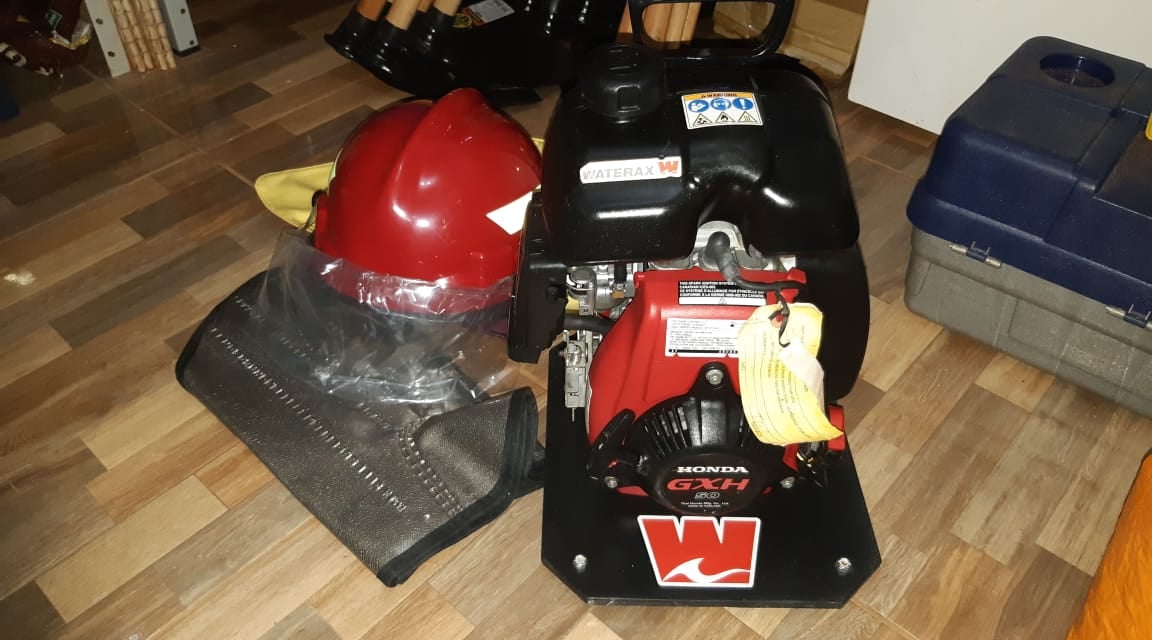
The Baía das Pedras ranch, our study area, together with other nine ranches will form a coalition covering ​​1,500 km² of the Pantanal biome. Baia das Pedras will be the central HQ of the coalition, keeping key equipment including a 5,000-liter portable water tank as well as water pumps and accessories that can be transported in urgency to neighboring ranches. In addition, each ranch will receive a kit of firefighting equipment (including a fire burner, a portable blower, chainsaw, blade cutter, sickles, and hoes) as well as individual protective equipment for FIVE individuals (fire-resistant boots, protective clothing, gloves, glasses, balaclavas, helmets, water bottles, leg protectors, etc.). We had the guidance of experienced firefighters and ranch owners to choose the equipment, and we have already purchased all the items.

In May 2021, following all the procedures against the COVID-19, we will hold an event at the Baía das Pedras ranch to gather the member of all the 10 ranches who are part of the coalition. Experienced firefighters from PrevFogo/IBAMA will attend and train landowners and their employees on how to use, store and upkeep the equipment. A Memorandum of Understanding will be signed with each participating ranch guaranteeing the proper use and care of the material and we will evaluate biannually the success of this initiative through questionnaires.

We will share the results of this experience with local and state stakeholders and policy makers in order to provide an example of potential strategies to prevent and reduce the occurrence of catastrophic fires in the Pantanal, such as 2020. This initiative also aims to guarantee the protection of the study area and a buffer zone of the most extensive long-term conservation project of the Lowland Tapir and the first long-term project focused on giant armadillos in the world.

Finally, we will provide funding to PrevFogo/IBAMA to keep 10 experienced firefighters for six months. The federal government maintains small groups of firefighters in different regions of the country only during the dry season (six months). During discussions with the coordinators of PrevFogo in Campo Grande/MS, we were told that their main need would be to keep some of their team for the remaining six months of the year (wet season). That way, they would have that additional time to train farmers, ranchers, local communities etc.

::/introtext::
::fulltext::::/fulltext::
Categorias News Deixe um comentário

LCTI Pantanal Urgent Response – provide support to animal rescue teams and wildlife rehabilitation centers

17 de março de 2021 Por Paula Piccin

::cck::726::/cck::
::introtext::

How LTCI – Lowland Tapir Conservation Initiative worked for Urgent Response to Pantanal

At the very beginning of the animal rescue work, we noticed the large number of occurrences with tapirs.  Therefore, our first action was the creation of a remote support group for animal rescue and rehabilitation teams. Through WhatsApp, we put members of these teams in contact with our network of tapir specialists including LTCI’s past and current veterinarians and biologists, zoo personnel, specialists in animal nutrition, and several researchers. All these different professionals in the network were available to discuss the best protocols for anesthesia, treatment, feeding and maintenance of animals from rescue until complete rehabilitation and release. In addition, we shared all the relevant materials we have available, such as manuals, guidelines, and protocols (veterinary, anesthetic, and laboratory).

In order to obtain the needed financial resources, an international online fundraising campaign was launched in mid-September (through credit card and PayPal). In addition, we have also applied to and obtained emergency resources from several zoo conservation funds and national and international companies and organizations. 

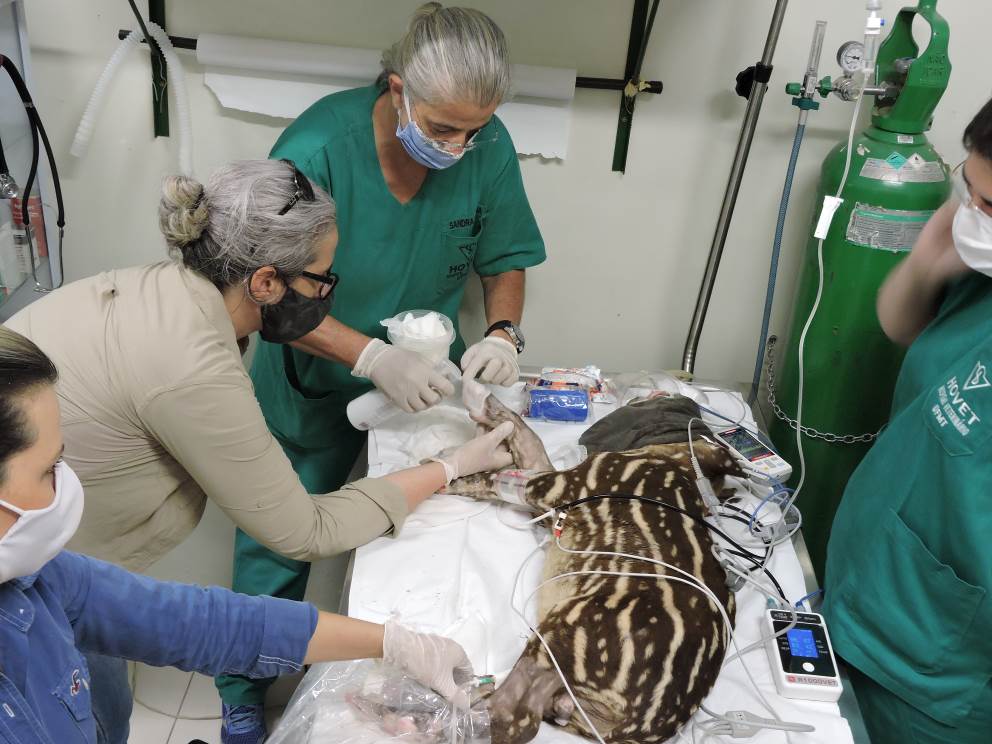
Part of the donations was used to provide veterinary equipment and supplies to animal rescue teams all over the Pantanal, as well as to the wildlife rehabilitation center at the Federal University of Mato Grosso in Cuiaba. These teams of heroes have taken risks and faced the most adverse conditions while rescuing and taking care of many burned animals. Tapirs, giant anteaters, otters, jaguars and many more species were received and treated in the best possible way, limited by the lack of adequate equipment and shortages of medicines and necessary materials.

For two months, one of our vets dedicated full-time to keeping in touch with different teams, keeping lists of their needs, placing orders for the purchase of equipment and supplies from several different companies, making payments, tracking shipments and much more. We drove twice to Cuiaba, bringing truckloads of materials.  

As urgent response, we have also allocated resources for the purchase of appropriate firefighting gear (such as fire-resistant boots, pants, shirts, gloves, and balaclavas, as well as helmets, eye protection, water pumps, fire hoses, shovels, chainsaws, air blowers, brush cutters). For this action, we worked in partnership with a non-profit organization called ECOA – Ecology and Action, which conducts several environmental and social projects in the Pantanal region since 1989. Our financial contribution was essential to assist these actions from logistics and transportation to gear purchase.

::/introtext::
::fulltext::::/fulltext::
Categorias News Deixe um comentário

LCTI Pantanal Urgent Response – provide support to animal rescue teams and wildlife rehabilitation centers

17 de março de 2021 Por Paula Piccin

::cck::726::/cck::
::introtext::

How LTCI – Lowland Tapir Conservation Initiative worked for Urgent Response to Pantanal

At the very beginning of the animal rescue work, we noticed the large number of occurrences with tapirs.  Therefore, our first action was the creation of a remote support group for animal rescue and rehabilitation teams. Through WhatsApp, we put members of these teams in contact with our network of tapir specialists including LTCI’s past and current veterinarians and biologists, zoo personnel, specialists in animal nutrition, and several researchers. All these different professionals in the network were available to discuss the best protocols for anesthesia, treatment, feeding and maintenance of animals from rescue until complete rehabilitation and release. In addition, we shared all the relevant materials we have available, such as manuals, guidelines, and protocols (veterinary, anesthetic, and laboratory).

In order to obtain the needed financial resources, an international online fundraising campaign was launched in mid-September (through credit card and PayPal). In addition, we have also applied to and obtained emergency resources from several zoo conservation funds and national and international companies and organizations. 

Part of the donations was used to provide veterinary equipment and supplies to animal rescue teams all over the Pantanal, as well as to the wildlife rehabilitation center at the Federal University of Mato Grosso in Cuiaba. These teams of heroes have taken risks and faced the most adverse conditions while rescuing and taking care of many burned animals. Tapirs, giant anteaters, otters, jaguars and many more species were received and treated in the best possible way, limited by the lack of adequate equipment and shortages of medicines and necessary materials.

For two months, one of our vets dedicated full-time to keeping in touch with different teams, keeping lists of their needs, placing orders for the purchase of equipment and supplies from several different companies, making payments, tracking shipments and much more. We drove twice to Cuiaba, bringing truckloads of materials.  

As urgent response, we have also allocated resources for the purchase of appropriate firefighting gear (such as fire-resistant boots, pants, shirts, gloves, and balaclavas, as well as helmets, eye protection, water pumps, fire hoses, shovels, chainsaws, air blowers, brush cutters). For this action, we worked in partnership with a non-profit organization called ECOA – Ecology and Action, which conducts several environmental and social projects in the Pantanal region since 1989. Our financial contribution was essential to assist these actions from logistics and transportation to gear purchase.

::/introtext::
::fulltext::::/fulltext::
Categorias News Deixe um comentário

How LTCI will work for Pantanal Emergency in 2021

10 de novembro de 202217 de março de 2021 Por Paula Piccin

::cck::725::/cck::
::introtext::

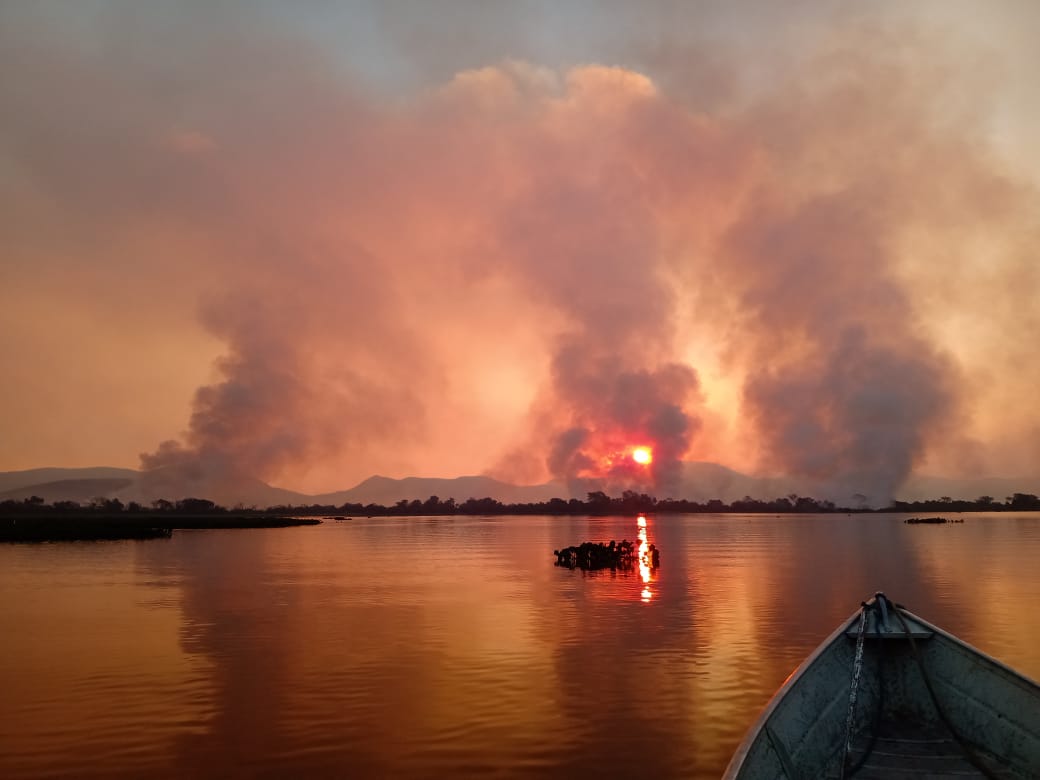
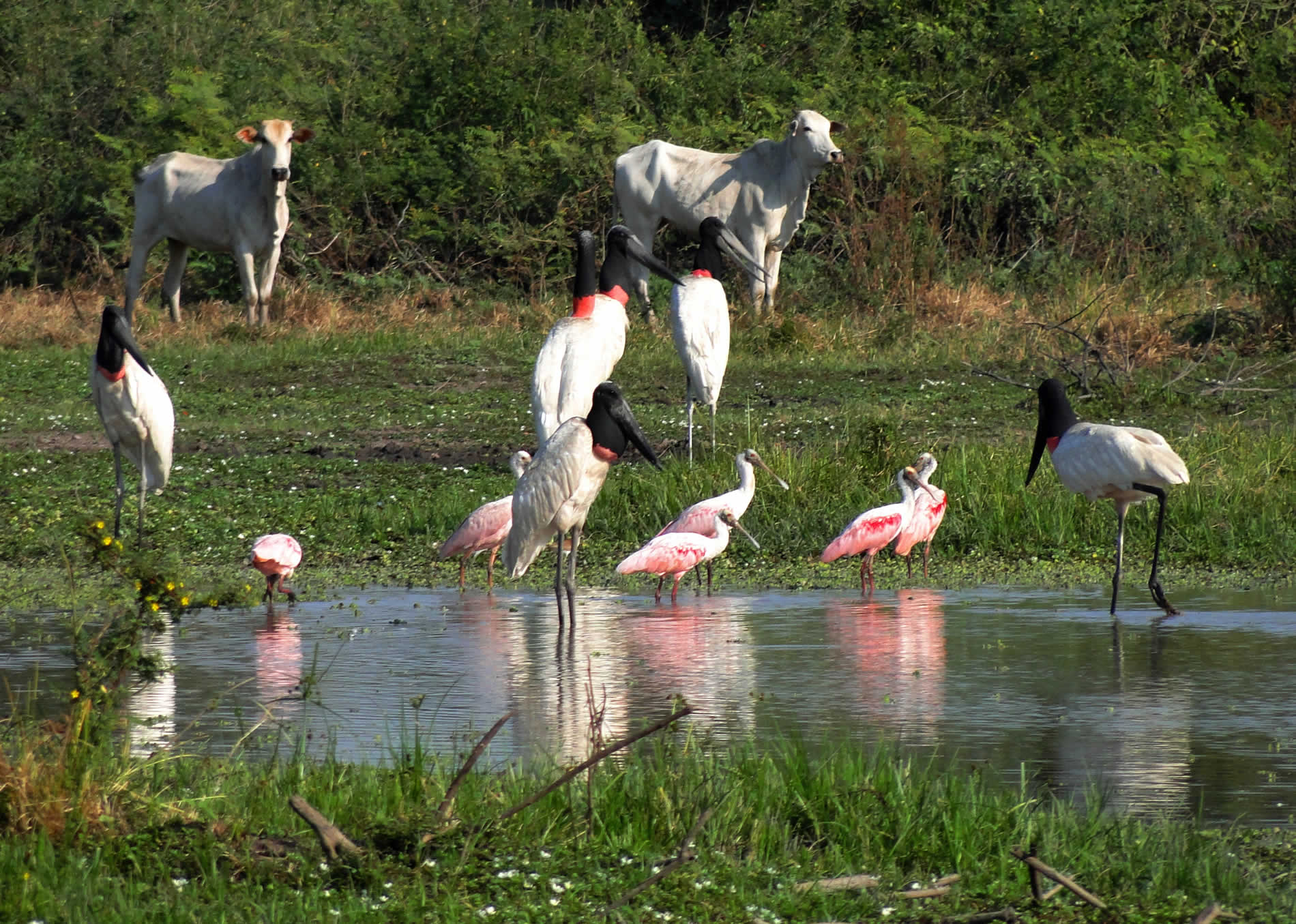
A major environmental tragedy hit Brazil with large-scale fires in the Amazon and the Pantanal. The fires in the Pantanal resulted from the junction of natural and socioeconomic factors. The year of 2020 saw the worst drought in over half a century, probably due to a combination of the climatic phenomenon La Niña, with climate change, effects of deforestation in the Amazon and uncontrolled increase of hydroelectric dams in the rivers that feed into the Pantanal.Furthermore, an ongoing government strategy has been weakening our environmental legislations, encouraging landowners to clear their lands illegally. Within this scenario, a combination of natural, accidental, and criminal fires has had an unprecedented devastating impact on the Pantanal. More than 30% of the biome burnt to ashes, destroying the rich local flora, killing millions of animals, and even affecting the means of life of local communities. The consequences are still little known, but unfortunately, they will still be felt for many decades. To deal with it, the LTCI – Lowland Tapir Conservation Initiative joined efforts with ICAS (Institute for the Conservation of Wild Animals) to define priority actions and outline support strategies, which fell into three different fronts: URGENT RESPONSE, PREVENTION, and IMPACT MEASUREMENT.

::/introtext::
::fulltext::::/fulltext::
Categorias News Deixe um comentário

Artigo: Cobras e animais não carismáticos na educação ambiental

4 de março de 2021 Por Paula Piccin

::cck::724::/cck::
::introtext::

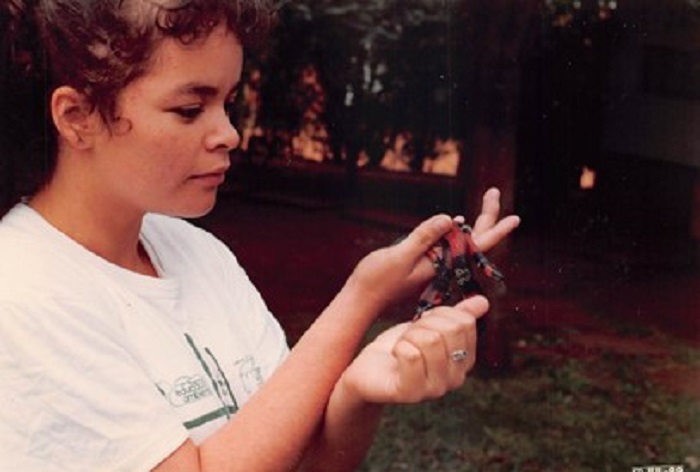
Quando cheguei no oeste paulista acompanhando o Claudio Padua, meu marido, resolvi trabalhar com educação ambiental, mas sem muito saber como começar. Assim, a pequena equipe que aderiu no início e eu passamos um questionário a moradores de Teodoro Sampaio, no Pontal do Paranapanema, que deflagrou uma realidade inesperada. Mais de 90% dos mais de 500 entrevistados matariam as cobras se as encontrassem, inclusive guardas-parques. Esse fato nos levou a uma reflexão profunda. O que fazer? Fingir que nada estava acontecendo não parecia correto. Afinal, a razão de estarmos na região era tentar salvar o mico-leão preto, espécie na época classificada como uma das dez mais ameaçadas do mundo pela IUCN (International Union for Conservation of Nature). E, se as deixássemos a mercê do gosto de quem as encontrassem, o destino delas poderia ser semelhante ao dos micos, que quase desapareceram da natureza.

Foi aí que pensamos em ter cobras vivas em nosso recém-inaugurado programa de educação ambiental, que já contava com visitação escolar em trilhas que havíamos instalado no Parque Estadual do Morro do Diabo (PEMD), então sob gestão do Instituto Florestal de São Paulo. Porém, sinceramente, a ideia não vinha fácil, pois, pessoalmente, eu nunca havia tido contato com cobras e nós, equipe de educação ambiental, precisávamos demonstrar familiaridade e tranquilidade ao lidar com essas criaturas.

Leia o artigo completo de Suzana Padua em Fauna News. 

::/introtext::
::fulltext::::/fulltext::
Categorias Notícias Deixe um comentário

Paisagens Sustentáveis no Pantanal

3 de março de 2021 Por IPE

::cck::722::/cck::::introtext:: O projeto Paisagens Sustentáveis no Pantanal começou em 2020, uma parceria entre IPÊ – Instituto de Pesquisas Ecológicas, Smithsonian Conservation Biology Institute (SCBI), Ecoa – Ecologia e Ação e Embrapa Pantanal.  ::/introtext::::fulltext:: A proposta é entender o que são as paisagens sustentáveis no Pantanal e acelerar o processo de certificação das fazendas sustentáveis, somando … Ler mais

Categorias Pantanal e Cerrado Deixe um comentário

Série Técnica: Voluntariado – Uma estratégia de conservação da natureza e aproximação da sociedade

2 de março de 2021 Por Paula Piccin

::cck::721::/cck::
::introtext::

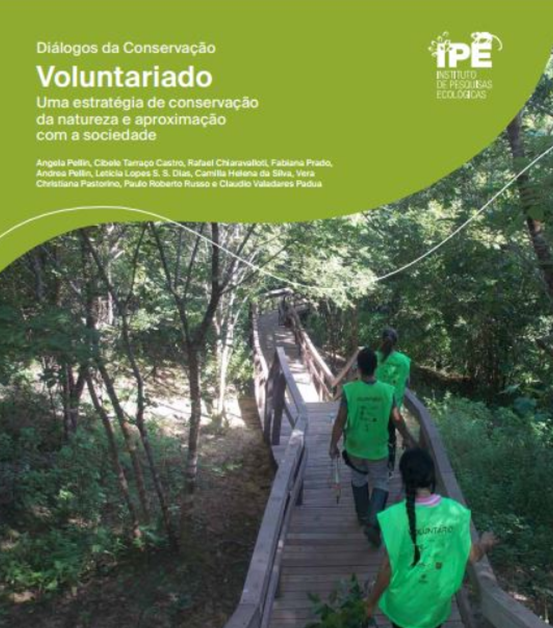
Você pode baixar gratuitamente essa publicação do IPÊ AQUI.

Essa é a terceira publicação da Série Técnica Diálogos da Conservação.

O material reúne panorama do voluntariado no mundo e no Brasil, retrato do Programa de Voluntariado do ICMBio – Instituto Chico Mendes de Conservação da Biodiversidade, com destaque para o processo de reestruturação e reflexões de boas práticas.

Na publicação estão compartilhadas uma série de experiências que fizeram parte da reestruturação do Programa de Voluntariado do ICMBio, como o planejamento estratégico e o plano de comunicação, além das boas práticas na ponta, nas Unidades de Conservação, como por exemplo o voluntariado como estratégia de implementação de trilhas de longo percurso e conectividade das áreas protegidas.

Com essa edição da Série Técnica, queremos também desmistificar certas visões e pontuarmos a abrangência do impacto do voluntariado sociedade.

Esta edição da Série Técnica Voluntariado é um desdobramento do projeto MOSUC – Motivação e Sucesso na Gestão de Unidades de Conservação Federais – desenvolvido pelo IPÊ em parceria com o ICMBio e com apoio da Gordon and Betty Moore Foundation.

::/introtext::
::fulltext::::/fulltext::
Categorias Notícias Deixe um comentário

Apoie o IPÊ caminhando, correndo ou pedalando no Km Solidário!

25 de fevereiro de 2021 Por Paula Piccin

::cck::720::/cck::
::introtext::

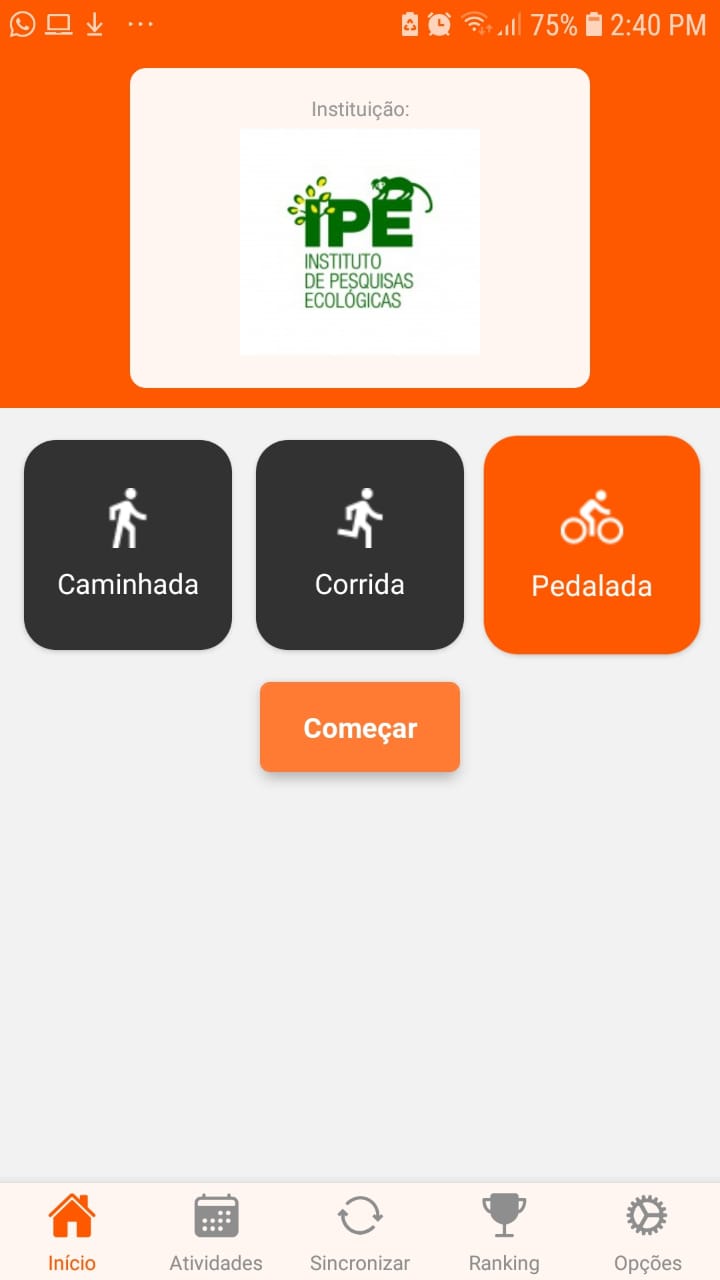
KM Solidario imagem do logo do ipe no aplicativoO IPÊ agora faz parte do aplicativo KM Solidário. Quanto mais você usar, mais ajuda a nossa causa e nosso trabalho de conservação da biodiversidade.

Afinal, saúde e meio ambiente equilibrado tem tudo a ver!

Como fazer para nos apoiar?                                   

1. Baixe o app no seu celular: Android ou IOS

2. Busque o IPÊ como ONG apoiada.

3. Inicie sua atividade: escolha caminhada, corrida ou pedalada. E clique em Iniciar.

4. Pronto! Ao finalizar, você já doou seus quilômetros ao IPÊ.

Ao final de cada mês, os quilômetros são convertidos em doações.

Conheça mais sobre a iniciativa. O mecanismo dessa doação você encontra aqui nos termos de uso.

::/introtext::
::fulltext::::/fulltext::

Categorias Notícias Deixe um comentário

IPÊ participa do Fórum Criare e destaca a importância do envolvimento das empresas

22 de fevereiro de 2021 Por Paula Piccin

::cck::719::/cck::
::introtext::

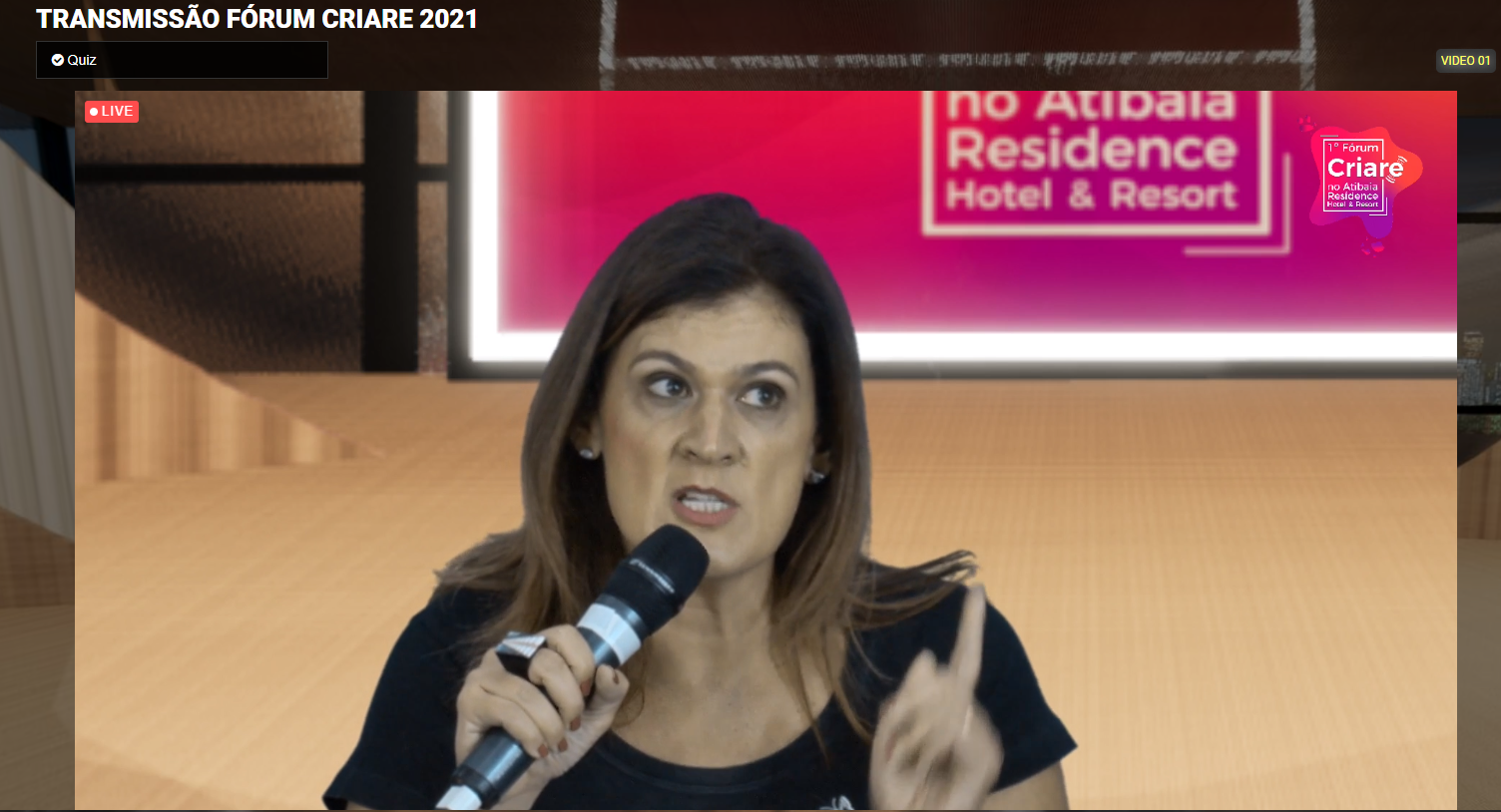
Meio Ambiente também esteve na programação do Fórum Criare, evento online realizado no sábado 20/02, com o objetivo de contribuir com o desenvolvimento pessoal, discutir tendências e promover o networking entre os participantes.  Para falar sobre o tema, Andrea Peçanha, coordenadora da Unidade de Negócios Sustentáveis do IPÊ apresentou panorama da atuação do IPÊ e as tendências envolvendo as empresas no cenário de pandemia.

“Fazemos restauração florestal, educação ambiental, negócios com comunidades e formação de profissionais para a sustentabilidade. O IPÊ atua em quatro biomas – Mata Atlântica, Pantanal, Cerrado e Amazônia. Já plantamos mais de 3,2 milhões de árvores e beneficiamos 14 mil pessoas/ ano. Para conseguirmos esses resultados contamos com apoiadores, parceiros, patrocinadores e doações”, pontua Andrea que há mais de 20 anos integra a equipe do IPÊ.  Para saber mais como a empresa em que você atua também pode contribuir: parcerias@ipe.org.br

A região do Sistema Cantareira está entre as áreas de atuação no IPÊ. “O desafio nessa área é enorme, precisamos plantar 35 milhões de árvores. Sabemos que não faremos isso sozinhos, restaurar essa área é estratégico para a água que abastece a região metropolitana de São Paulo e Campinas. Mais de 14 milhões de pessoas se beneficiam dessa água, além das empresas que estão nessa região. Você também pode fazer parte dessa história”, afirma Andrea. O IPÊ junto com empresas e pessoas físicas já plantou na região mais de 370 mil mudas e segue plantando.

Segundo a coordenadora da Unidade de Negócios, é possível notar que as empresas, em especial as grandes, têm demonstrado uma preocupação maior com a sustentabilidade. “Elas estão trazendo essa questão para o centro do negócio, pensando no longo prazo. Mudanças climáticas são um fato e as empresas que pretendem ser perenes elas têm que partir para a ação. Essa questão da pandemia acelerou esse processo e atualmente o conceito de ESG – Environmental, Social Governance está muito presente. As empresas cada vez mais estão olhando para isso como atoras, elas podem fazer a transformação, isso ganhou ainda mais relevância com a pandemia. Elas podem atuar para diminuir os impactos de grandes desequilíbrios ambientais ou mesmo das mudanças climáticas”.

Quanto às mudanças na sociedade, Andrea destaca que muitas pesquisas têm reforçado o interesse maior de uma determinada geração sobre sustentabilidade. “Para os Millennials – nascidos entre 1981 e 1996 – a questão socioambiental é motivo de uma preocupação maior”.

Educação para a transformação

Como o IPÊ atua com pesquisas que são aplicadas na prática, um dos frutos desse trabalho é a ESCAS – Escola de Conservação Ambiental e Sustentabilidade. “A ESCAS tem Mestrado Profissional aprovado pela CAPES onde já formamos mais de 150 mestres e um MBA em Negócios Socioambientais, além de cursos livres”, revela Peçanha. Dentro dos projetos realizados pelo IPÊ, a educação ambiental também é uma frente de atuação-chave. “O público-alvo dos projetos tem sido os alunos, em especial, de escolas públicas, mas também realizamos ações de educação ambiental para outros públicos”, complementa. 

Os negócios envolvendo comunidades também estão no DNA do instituto. “Muitas vezes onde há alta biodiversidade as comunidades estão empobrecidas. Também temos que pensar no potencial que aquela comunidade tem e como aquelas pessoas permanecem lá vivendo de maneira harmônica com a natureza. Por exemplo, na Amazônia trabalhamos muito com o Turismo Comunitário”.

A coordenadora da Unidade de Negócios Sustentáveis também pontua a importância do meio ambiente equilibrado para toda a sociedade. “O IPÊ desenvolve projetos de conservação com seis espécies. Nosso trabalho na área ambiental mostra que a presença de espécies são indicadores de ambientes sadios. Da mesma forma, a ausência de espécies em áreas onde elas deveriam estar reforça que o ambiente está em desequilíbrio. Na pandemia, temos visto que o que estamos vivendo é fruto de um desequilíbrio ambiental”.

Doe para o IPÊ 

::/introtext::
::fulltext::::/fulltext::

Categorias Notícias Deixe um comentário
Post mais antigas
Post mais recentes
← Previous Page1 … Page81 Page82 Page83 … Page178 Next →

Posts Recentes

  • Multilateralismo na sociobioeconomia foi tema de debate na Casa IPÊ durante a COP30 
  • COP30: Três pontos relevantes da Bioeconomia e Sociobioeconomia para acompanhar 
  • Projeto Escolas Climáticas lança plataforma com metodologia sistematizada que possibilita dar escala à iniciativa  
  • Como é planejado um corredor ecológico? 
  • Projeto Corredores de Vida formaliza grupo de trabalho para fortalecer protagonismo feminino na restauração florestal  

Publicações

  • dezembro 2025
  • novembro 2025
  • outubro 2025
  • setembro 2025
  • agosto 2025
  • julho 2025
  • junho 2025
  • maio 2025
  • abril 2025
  • março 2025
  • fevereiro 2025
  • janeiro 2025
  • dezembro 2024
  • novembro 2024
  • outubro 2024
  • setembro 2024
  • agosto 2024
  • julho 2024
  • junho 2024
  • maio 2024
  • abril 2024
  • março 2024
  • fevereiro 2024
  • janeiro 2024
  • dezembro 2023
  • novembro 2023
  • outubro 2023
  • setembro 2023
  • agosto 2023
  • julho 2023
  • junho 2023
  • maio 2023
  • abril 2023
  • março 2023
  • fevereiro 2023
  • janeiro 2023
  • dezembro 2022
  • novembro 2022
  • outubro 2022
  • setembro 2022
  • agosto 2022
  • julho 2022
  • junho 2022
  • maio 2022
  • abril 2022
  • março 2022
  • fevereiro 2022
  • janeiro 2022
  • dezembro 2021
  • novembro 2021
  • outubro 2021
  • setembro 2021
  • agosto 2021
  • julho 2021
  • junho 2021
  • maio 2021
  • abril 2021
  • março 2021
  • fevereiro 2021
  • janeiro 2021
  • dezembro 2020
  • novembro 2020
  • outubro 2020
  • setembro 2020
  • agosto 2020
  • julho 2020
  • junho 2020
  • maio 2020
  • abril 2020
  • março 2020
  • fevereiro 2020
  • janeiro 2020
  • dezembro 2019
  • novembro 2019
  • outubro 2019
  • setembro 2019
  • agosto 2019
  • julho 2019
  • junho 2019
  • maio 2019
  • abril 2019
  • março 2019
  • fevereiro 2019
  • janeiro 2019
  • dezembro 2018
  • novembro 2018
  • outubro 2018
  • setembro 2018
  • agosto 2018
  • julho 2018
  • junho 2018
  • maio 2018
  • abril 2018
  • março 2018
  • fevereiro 2018
  • janeiro 2018
  • dezembro 2017
  • novembro 2017
  • outubro 2017
  • setembro 2017
  • agosto 2017
  • julho 2017
  • junho 2017
  • maio 2017
  • abril 2017
  • março 2017
  • fevereiro 2017
  • janeiro 2017
  • dezembro 2016
  • novembro 2016
  • outubro 2016
  • setembro 2016
  • agosto 2016
  • julho 2016
  • junho 2016
  • maio 2016
  • janeiro 2016
  • dezembro 2015
  • novembro 2015
  • outubro 2015
  • setembro 2015
  • agosto 2015
  • julho 2015
  • junho 2015
  • maio 2015
  • abril 2015
  • março 2015
  • fevereiro 2015
  • janeiro 2015
  • dezembro 2014
  • novembro 2014
  • outubro 2014
  • setembro 2014
  • agosto 2014
  • julho 2014
  • junho 2014
  • maio 2014
  • abril 2014
  • março 2014
  • fevereiro 2014
  • janeiro 2014
  • dezembro 2013
  • novembro 2013
  • outubro 2013
  • setembro 2013
  • julho 2013
  • junho 2013
  • maio 2013

Categorias

  • Áreas Protegidas
  • Baixo Rio Negro
  • Boas Práticas
  • Cases de MRC
  • Centro de Educação e Cooperação Socioambiental para o Clima
  • COP-16 Agenda
  • COP16
  • COP30
  • Cursos
  • Depoimentos
  • Doe
  • Home
  • Iniciativas para Doação
  • IPÊ
  • IPÊ
  • ipe em movimento
  • Não categorizado
  • Negócios Sustentáveis
  • Notícias
  • Paisagens Climáticas
  • Pesquisa e Desenvolvimento
  • Pontal do Paranapanema
  • Projetos
  • Projetos Temáticos
  • publicacoes
  • ra.2022
  • Relatórios Anuais
  • Uncategorised
A implementação do kmspico em sistemas educacionais ou corporativos permite uma utilização mais racional dos recursos e apoia iniciativas de proteção ambiental. Você pode download ativador kmspico com segurança agora mesmo.

Onde Estamos

Rod. Dom Pedro I, km 47
Nazaré Paulista, SP, Brasil
Caixa Postal 47 – 12960-000
Tel: (11) 3590-0041

Mapa para o IPÊ
Escritórios
Ouvidoria

Redes Sociais

  • Facebook
  • Twitter
  • Instagram
  • Youtube
  • Linkedin

Política de Privacidade
Programa de Privacidade
Políticas de Cookies

Termos de Uso | Estatuto
Copyright © Ipê – Instituto de Pesquisas Ecológicas.
Email: ipe@ipe.org.br

  • Português
  • English (Inglês)
kraken onion kraken darknet kraken tor
A implementação do kmspico em sistemas educacionais ou corporativos permite uma utilização mais racional dos recursos e apoia iniciativas de proteção ambiental. Você pode download ativador kmspico com segurança agora mesmo.