
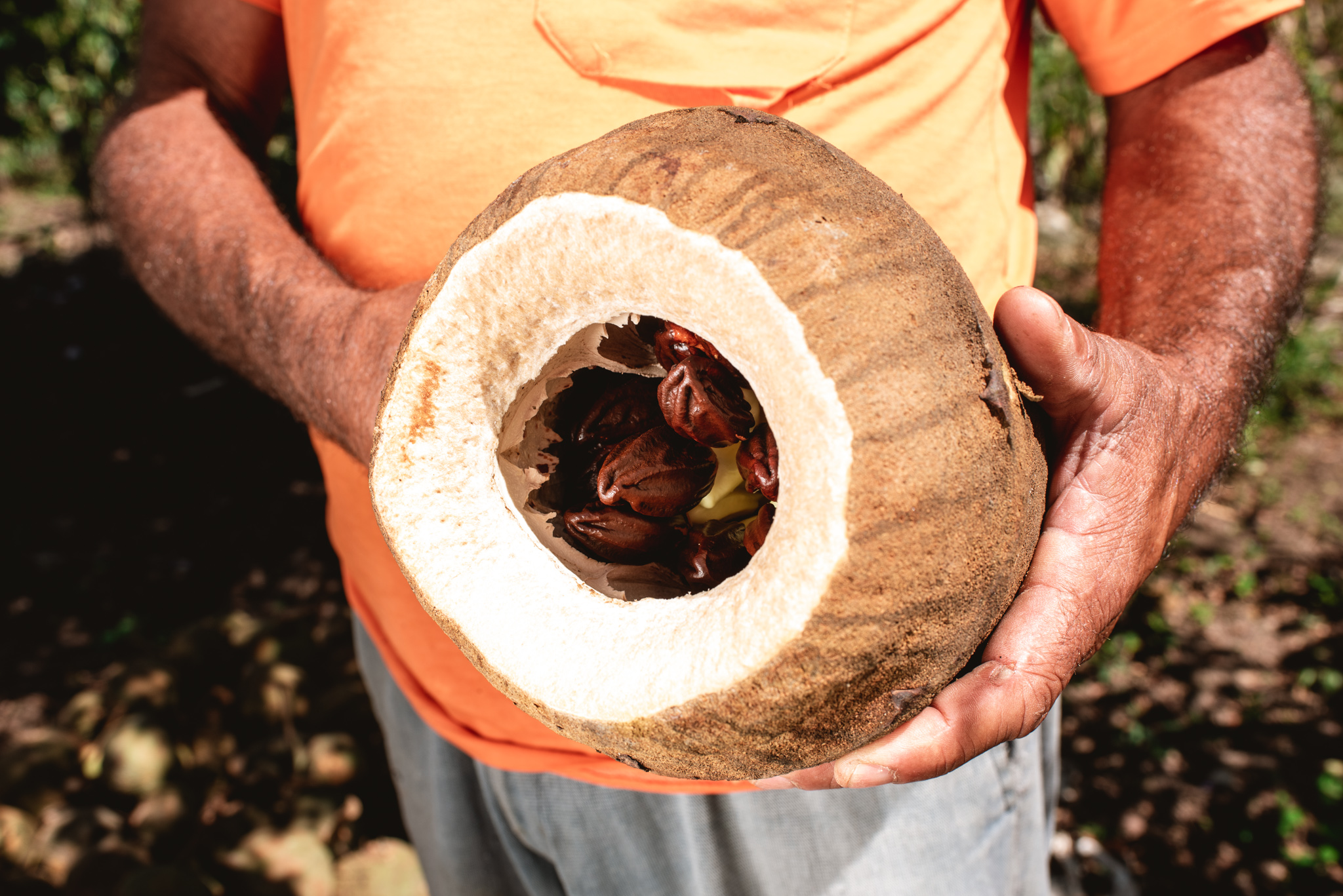
According to the IBGE (Brazilian Institute of Geography and Statistics), approximately 70% of the food consumed in Brazil is produced by small farmers. Globally, this figure exceeds 80%, according to the Food and Agriculture Organization of the United Nations (FAO/UN), which declared 2019 to 2028 the Decade of Family Farming.
The production method of small farmers, which is characterized by the intercropping of different crops, not only strengthens the food security of these families but also favors the services provided by nature, such as quality water and microclimate regulation, and contributes to the conservation of biodiversity.
IPÊ’s target audience is small rural producers, aiming to increase the productivity of these properties through various projects, which brings benefits in the economic, social and environmental circles, including greater resilience to the effects of climate change, such as longer periods of drought.
Actions in this direction collaborate to national and global actions aligned with 7 Sustainable Development Goals:
– SDG 1 Poverty Eradication
– SDG 2 Hunger Eradication and Sustainable Agriculture
– SDG 3 Drinking Water and Sanitation
– SDG 11 Sustainable Cities and Communities
– SDG 12 Responsible Consumption and Production
– SDG 13 Climate Action Against Climate Change
– SDG 15 Terrestrial Life
Buying is also choosing
When consumers choose to purchase local products grown by small farmers, they also reinforce and promote sustainable practices with local benefits that respond to global challenges.
Learn more about how we operate
Pontal do Paranapanema (Teodoro Sampaio/SP)
Fifty-one families in the Pontal do Paranapanema region, in the far west of São Paulo, benefit from the implementation of Agroforestry Systems (SAFs). Among them is Mrs. Sônia Moura, who has an AFS of 600 trees of 25 species, including 400 fruit trees, such as orange, lemon, and soursop, which provide shade for her 2,600 coffee trees. Between the two lines of trees, Sonia grows shade-grown, agroecological coffee, as well as shorter-cycle crops like sweet potatoes, peanuts, corn, cowpeas, caxi, and okra. The abundance is so plentiful that the couple donates surplus food to family, friends, and neighbors.
Sonia has already sold part of the production to the National Supply Company (Conab), responsible for the Food Acquisition Program (PAA) that helps increase the inclusion of settlers in public policies aimed at rural development.
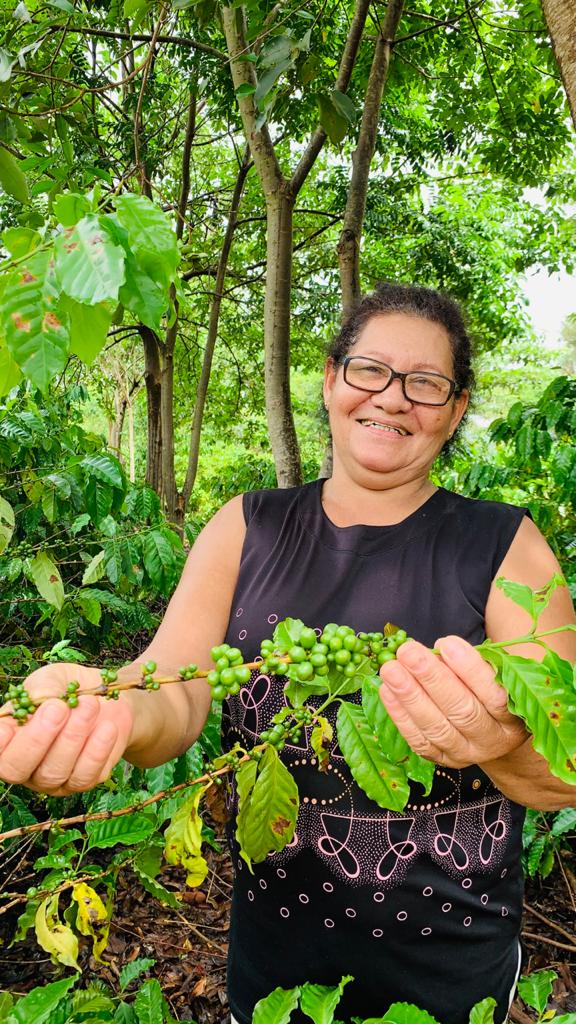
Photo credit: Ana Lilian Pereira/IPÊ
Cantareira System (SP & MG)
Technical assistance focused on sustainable production systems has remodeled approximately 50 small farms in the Cantareira System region. Among these properties, 17 are considered demonstration units, model properties that are a reference in combining productivity in the field with increased water security and biodiversity conservation.
Considering only the properties that have implemented Agroforestry Systems that combine short-cycle crops, such as corn, with long-cycle, higher-value products like coffee, juçara, and native Atlantic Forest fruits (cambuci, araçá, grumixama, uvaia, and pitanga), approximately 20 have received technical assistance in this area. “We have a more vibrant ecosystem now and so we have increased the production of all the items we already produced and those we have added,” says Carlos Ramos, a rural producer from Camanducaia/MG.
Sustainable production systems in this area also contribute to increased soil water absorption, allowing more water to infiltrate the soil in the Cantareira System region, contributing to one of the largest water supply systems in the world. The actions carried out with this objective belong to the Semeando Água project, an initiative of IPÊ, which has a series of partners.
Southern Bahia
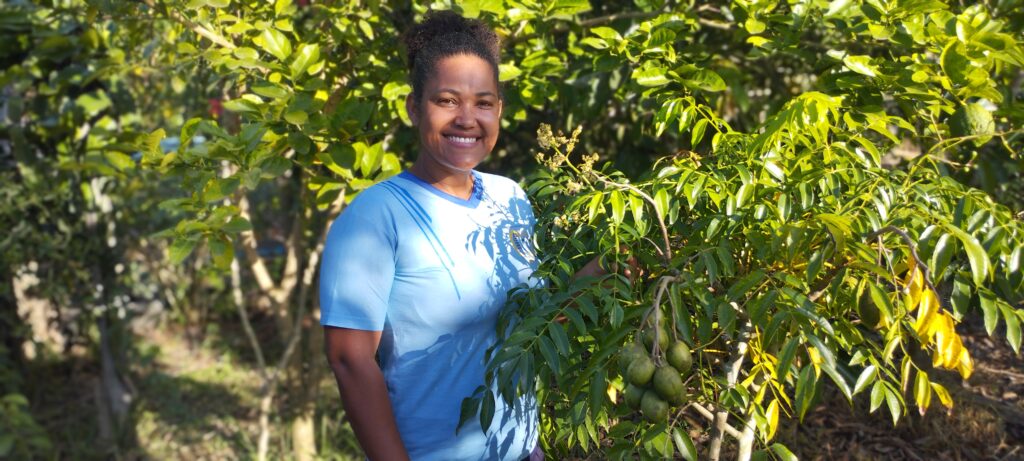
Photo credits in southern Bahia: Marcelo Delfino
Among the 20 family farmers and settlers who attended the Agroforestry Planning course, three of them had their projects selected to receive financial support and mentoring to implement agroforestry system demonstration units. The three selected farmers live in the Nova Vitória rural settlement, located in Eunápolis, southern Bahia.
Patrícia Santos Amorim has been implementing a demonstration agroforestry system with cocoa and other fruit species. Geiza Souza dos Santos has already built a nursery for the production of native seedlings, fruit trees, tea tree, and vegetables.
Valdeny dos Santos Prado will turn an agroforestry project of tea tree (Melaleuca alternifolia), arrowroot (Aranta arundinacea), pindaíba (Xylopia sericea), and Surinam cherry (Eugenia uniflora) into reality, along with a green manure mix (a fertilization and seed production element). “Sometimes we have a lot of land and don’t plant much, and this course helped us grow a lot on little land,” says the producer.
The support comes from the Environmental Leadership Program, of the Yale University Environmental Leadership and Training Initiative (ELTI-Yale), through IPÊ – Ecological Research Institute, which targets people who have completed the courses and training offered by ELTI-IPÊ in the southern region of Bahia.
The field course was offered in partnership with the Socio-Environmental Development Project for Family Farming (DSAF) of the Center for Studies in Agroecology and Organic Production Pau-Brasil of the Federal University of Southern Bahia (UFSB) and the Photosynthesis Institute, which also participate in supporting and mentoring environmental leaders.
Rio Doce Basin/ES
Approximately 100 settled family farmers from the municipalities of Águia Branca and Alto Rio Novo, Espírito Santo, who attended Agroforestry Systems (SAFs) and Environmental Conservation and Entrepreneurship courses to form associations are benefiting from the ongoing implementation of 200 hectares of participatory-planned Agroforestry Systems (SAFs) and forest restoration. These local production systems have the potential to strengthen food security and generate income, as well as respond to the program for restoring Permanent Preservation Areas (APPs) and water recharge of Rio Doce river.
The course offered by the IPÊ team working on the Pontal do Paranapanema project addressed a more sustainable production model that improves crop quality while conserving important natural resources for the region, such as water. Among the species cultivated in the SAFs are cocoa and coffee, with a focus on income generation, and agricultural crops for local consumption and sale, such as beans, corn, rice, and pumpkin.
“I planted cocoa and banana trees, contributing to the environment, and at the same time, the SAF is already providing me with income,” reveals Ademar Martins Vieira, who lives in the Rosa de Saron settlement in Águia Branca, Espírito Santo. The initiative is funded by the Renova Foundation and is part of the School and Community Integration project line, run by IPÊ and ESCAS, IPÊ’s educational arm.
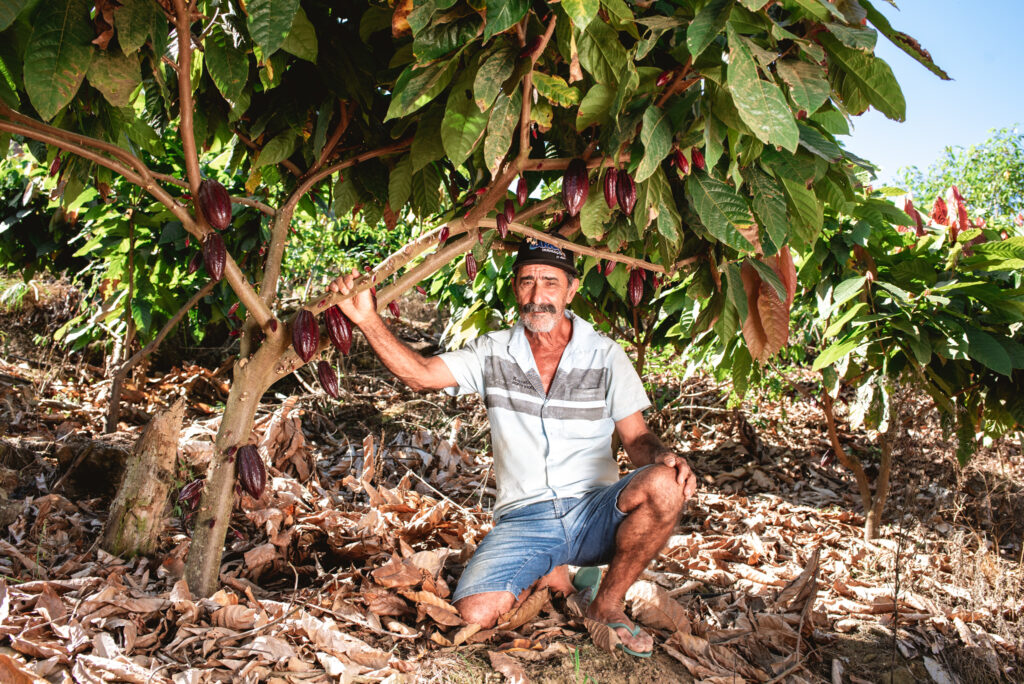
Credit: Rafaela Teixeira
Agroecology and Sociobiodiversity in a Network: Consolidation of Local Production Arrangements in Amazonas
With funding from the Amazon Fund (BNDES) until 2028, the project focuses on the potential of the agroecological value chain and organic production in five municipalities in Amazonas: Manaus, Rio Preto da Eva, Careiro da Várzea, Iranduba and Itacoatiara.
The main actions planned by the project include: increasing and diversifying organic production and good agroecological practices in family farming, expanding the infrastructure and revenue of socio-productive community businesses, carrying out participatory certification of organic production, creating management capabilities for socio-productive community businesses, strengthening the institutional capacity of community associations, offering training and technical assistance, coordinating marketing in private markets, expanding the number of fairs in the city of Manaus, promoting networked actions on agroecology and organic production, and coordinating the implementation of public policies.

Photo credit: Ananda Matos/IPÊ