
Skip to content
  • IPÊ
    • Sobre o IPÊ
    • Missão
    • Nosso Credo
    • Governança
    • Estratégias
    • Apoiadores e Parceiros
    • Prêmios
    • Imprensa
    • Ipeanos
    • Onde Estamos
    • Nossos Resultados
    • Relatórios Anuais
    • Seja nosso Parceiro
  • Doe Agora
    • Doe Florestas
    • Por que doar?
    • Arredonde Suas Compras
    • Doe com PayPal ou Conta Corrente
    • Doações internacionais
    • Adote uma Espécie
    • Proteja o Sistema Cantareira
  • Notícias
    • Últimas Notícias
  • Projetos
    • Baixo Rio Negro
    • Nazaré Paulista
    • Pantanal e Cerrado
    • Sul da Bahia
    • Pontal do Paranapanema
    • Projetos Temáticos
      • Voluntariado para Conservação
      • Pesquisa e Desenvolvimento / P&D
      • Áreas Protegidas
      • Integração Escola e Comunidade
      • Projeto Escolas Climáticas
      • Paisagens climáticas
      • Centro de Educação e Cooperação Socioambiental para o Clima
      • Fábrica de Soluções
      • Territórios da Vida Silvestre
  • Negócios Sustentáveis
    • Marketing Relacionado a Causas
    • Cases de MRC
    • Modelos de Parcerias
    • Iniciativas para Doação
  • Soluções em Educação
    • Escas
    • Mestrado Profissional
    • Pós-graduação
    • Cursos de Curta Duração
  • Publicações
    • Flora Regional
    • Boas Práticas em UCs
    • Atlas Cantareira
    • Artigos Científicos
    • Séries Técnicas, Guias e Outros Materiais
  • Estatuto
  • Código de Ética
  • Parcerias Públicas
  • Fale Conosco

IPÊ 30 years: Our actions in the Amazon

29 de March de 2022 by Paula Piccin

::cck::979::/cck::
::introtext::

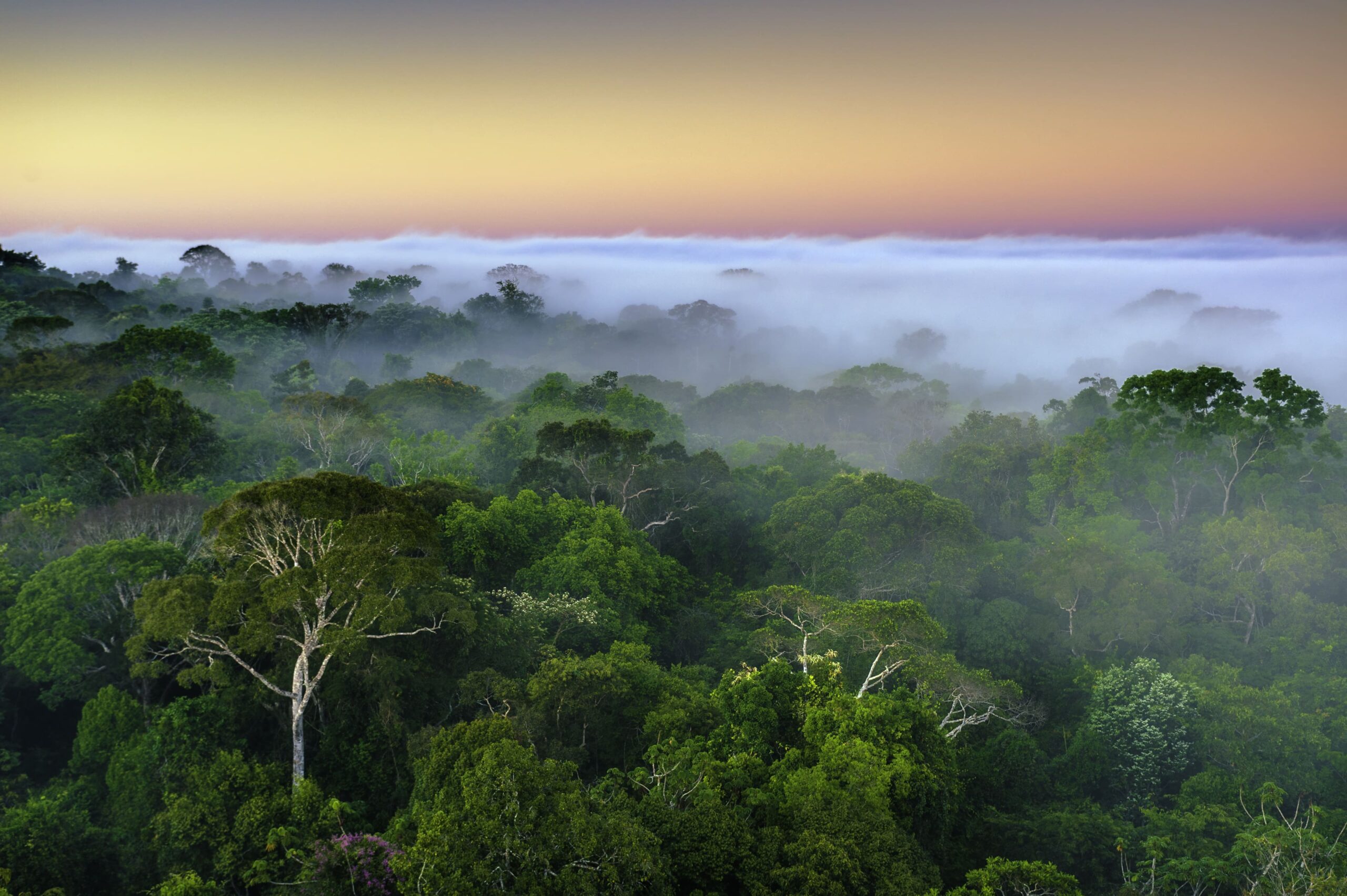
IPÊ will be 30 years old in 2022. More than 20 of them dedicated to the conservation of biodiversity in the amazon territory. All projects carried out in the region are part of the solutions for amazon which brings together initiatives aimed at strengthening communities and protected areas in the biome. Work on the biome began on the lower Negro river and later expanded into a major initiative called Integrative Solutions for Amazon Conservation.

Currently, in the lower Negro river, is realized the Navegando Educação Empreendedora na Amazônia. The team travels through the communities carrying out surveys on businesses and their entrepreneurs to devise strategies that can give impetus to these works. Everything happens with the support of the Maria I school boat, which navigates the waters of the rivers to reach the residents of the Reserva de Desenvolvimento Sustentável (RDS) Puranga-Conquista. The project has the support of the LIRA/IPÊ project – Legado Integrado da Região Amazônica and a partnership with Linkedin, the largest professional social network in the world.

          In the 2010s, IPÊ supported the formalization and strengthening of local organizations, with documentation for access to public policies aimed at family farmers and artisans, contributing to the business infrastructure.

CELIO ARAGOCraftsman Célio Arago (pictured left), for example, is among those benefited by IPÊ. Workshops, the courses and exchanges contributed to the further development of his skills as an artisan, a craft he learned from his father. From the Nova Esperança community, Célio’s pieces won the world and were nominated for awards. After the project, Célio today shares what he learned with the young people.

“The learning I had with IPÊ opened many doors for me. Now I teach young people in my community so that they have the same chance as me”.

Within the Soluções Integradas, IPÊ develops the following actions:

MOSUC – Motivação e Sucesso na Gestão de Unidades de Conservação held since 2012, in partnership with ICMBio and support from the Gordon and Betty Moore Foundation. A key action front is the national restructuring of the ICMBio Volunteering Program, which was supported by IPÊ in various ways, from visual communication to the digital restructuring of the volunteer register.

Since 2012, IPÊ has supported the strengthening of the National System of Conversation Units, encouraging the sharing of good management practices, fostering arrangements that expand human capital to support management, and building platforms that disseminate information and knowledge about the UCs.


MPB – Monitoramento participativo da biodiversidade, which, since 2013, has been monitoring biodiversity in 18 Conservation Units (12 million hectares) in the Amazônia with the contribution of local communities. This process is essential to understand and moderate the extent of changes that may lead to the loss of local biodiversity, support the proper management of natural resources, and promote the maintenance of the way of life of local communities. The MPB project is part of the initiative to implement the Programa de Monitoramento da Biodiversidade – Monitora of ICMBio (Chico Mendes Institute for Biodiversity Conservation), USAID, Gordon and Betty Moore Foundation and ARPA Program are MPB partners.

LIRA – Integrated legacy of the Amazon region, as of 2019, the actions were expanded with the project that focuses on increasing the effectiveness in the management of 86 protected areas (Conversation Units of Indigenous Lands), with integrated and networked work in the Amazônia. The project covers 34% of the protected areas in the Amazônia, considering 20 Federal UCs, 23 State UCs and 43 Indigenous Lands, in the regions of High Negro River, Low Negro River, North of Pará, Xingú, Madeira-Purus and Rondônia-Acre. LIRA is an initiative conceived by IPÊ – Instituto de Pesquisas Ecológicas, the Amazônia Fund and the Gordon and Betty Moore Foundation, the project’s financing partners.

Check out the main highlights of IPÊ in the Amazon:

  • 320 families benefited from the Low Negro River project
  • More than 4000 people benefited from Participatory Biodiversity Monitoring
  • More than 30 thousand people registered in the ICMBio national volunteer register.

::/introtext::
::fulltext::::/fulltext::
::cck::979::/cck::

Categories News
Viveiros e SAFs no Pontal servem de inspiração para projeto no ES
IPÊ 30 years: our performance in the Pantanal and Cerrado

Leave a Comment Cancel reply

Posts Recentes

  • IPÊ inaugura nova sede em Manaus/AM 
  • Projeto fortalece o manejo de castanha-da-amazônia na Flona de Caxiuanã, no Pará
  • Oportunidade: Seleção de Pessoa Jurídica para desenvolvimento de cadeias da sociobiodiversidade na Chapada do Araripe (CE) 
  • Comunitário da RDS Puranga Conquista participa de evento nacional de Restauração Ecológica em Brasília
  • Cartilha sobre meliponicultura do Projeto Agroecologia em Rede é premiada em Congresso Amazonense de Meliponicultura 

Publicações

  • August 2026
  • July 2026
  • June 2026
  • May 2026
  • April 2026
  • March 2026
  • February 2026
  • January 2026
  • December 2025
  • November 2025
  • October 2025
  • September 2025
  • August 2025
  • July 2025
  • June 2025
  • May 2025
  • April 2025
  • March 2025
  • February 2025
  • January 2025
  • December 2024
  • November 2024
  • October 2024
  • September 2024
  • August 2024
  • July 2024
  • June 2024
  • May 2024
  • April 2024
  • March 2024
  • February 2024
  • January 2024
  • December 2023
  • November 2023
  • October 2023
  • September 2023
  • August 2023
  • July 2023
  • June 2023
  • May 2023
  • April 2023
  • March 2023
  • February 2023
  • January 2023
  • December 2022
  • November 2022
  • October 2022
  • September 2022
  • August 2022
  • July 2022
  • June 2022
  • May 2022
  • April 2022
  • March 2022
  • February 2022
  • January 2022
  • December 2021
  • November 2021
  • October 2021
  • September 2021
  • August 2021
  • July 2021
  • June 2021
  • May 2021
  • April 2021
  • March 2021
  • February 2021
  • January 2021
  • December 2020
  • November 2020
  • October 2020
  • September 2020
  • August 2020
  • July 2020
  • June 2020
  • May 2020
  • April 2020
  • March 2020
  • February 2020
  • January 2020
  • December 2019
  • November 2019
  • October 2019
  • September 2019
  • August 2019
  • July 2019
  • June 2019
  • May 2019
  • April 2019
  • March 2019
  • February 2019
  • January 2019
  • December 2018
  • November 2018
  • October 2018
  • September 2018
  • August 2018
  • July 2018
  • June 2018
  • May 2018
  • April 2018
  • March 2018
  • February 2018
  • January 2018
  • December 2017
  • November 2017
  • October 2017
  • September 2017
  • August 2017
  • July 2017
  • June 2017
  • May 2017
  • April 2017
  • March 2017
  • February 2017
  • January 2017
  • December 2016
  • November 2016
  • October 2016
  • September 2016
  • August 2016
  • July 2016
  • June 2016
  • May 2016
  • January 2016
  • December 2015
  • November 2015
  • October 2015
  • September 2015
  • August 2015
  • July 2015
  • June 2015
  • May 2015
  • April 2015
  • March 2015
  • February 2015
  • January 2015
  • December 2014
  • November 2014
  • October 2014
  • September 2014
  • August 2014
  • July 2014
  • June 2014
  • May 2014
  • April 2014
  • March 2014
  • February 2014
  • January 2014
  • December 2013
  • November 2013
  • October 2013
  • September 2013
  • July 2013
  • June 2013
  • May 2013

Categorias

  • Annual Reports
  • Áreas Protegidas
  • Baixo Rio Negro
  • Boas Práticas
  • Cases de MRC
  • Centro de Educação e Cooperação Socioambiental para o Clima
  • COP-16 Agenda
  • COP16
  • COP30
  • Cursos
  • Depoimentos
  • Doe
  • Donate
  • Home
  • Home
  • Iniciativas para Doação
  • IPÊ
  • IPÊ
  • IPÊ
  • IPE
  • ipe em movimento
  • Não categorizado
  • Negócios Sustentáveis
  • News
  • Notícias
  • Paisagens Climáticas
  • Pesquisa e Desenvolvimento
  • Pontal do Paranapanema
  • Projetos
  • Projetos Temáticos
  • publicacoes
  • publicacoes
  • ra.2022
  • Relatórios Anuais
  • Thematic Projects
  • Uncategorised
A implementação do kmspico em sistemas educacionais ou corporativos permite uma utilização mais racional dos recursos e apoia iniciativas de proteção ambiental. Você pode download ativador kmspico com segurança agora mesmo.

Onde Estamos

Rod. Dom Pedro I, km 47
Nazaré Paulista, SP, Brasil
Caixa Postal 47 – 12964-022
Tel: (11) 3590-0041

Mapa para o IPÊ
Escritórios
Ouvidoria

Redes Sociais

  • Facebook
  • Twitter
  • Instagram
  • Youtube
  • Linkedin

Política de Privacidade
Programa de Privacidade
Políticas de Cookies

Termos de Uso | Estatuto
Copyright © Ipê – Instituto de Pesquisas Ecológicas.
Email: ipe@ipe.org.br

kraken onion kraken darknet kraken tor
A implementação do kmspico sistemas educacionais ou corporativos permite uma utilização racional dos recursos e apoia iniciativas de proteção ambiental Você pode download ativador kmspico com segurança agora mesmo kmspico.lc.