Skip to content
  • IPÊ
    • Sobre o IPÊ
    • Missão
    • Nosso Credo
    • Governança
    • Estratégias
    • Apoiadores e Parceiros
    • Prêmios
    • Imprensa
    • Ipeanos
    • Onde Estamos
    • Nossos Resultados
    • Relatórios Anuais
    • Seja nosso Parceiro
  • Doe Agora
    • Doe Florestas
    • Por que doar?
    • Arredonde Suas Compras
    • Doe com PayPal ou Conta Corrente
    • Doações internacionais
    • Adote uma Espécie
    • Proteja o Sistema Cantareira
  • Notícias
    • Últimas Notícias
  • Projetos
    • Baixo Rio Negro
    • Nazaré Paulista
    • Pantanal e Cerrado
    • Sul da Bahia
    • Pontal do Paranapanema
    • Projetos Temáticos
      • Voluntariado para Conservação
      • Pesquisa e Desenvolvimento / P&D
      • Áreas Protegidas
      • Integração Escola e Comunidade
      • Projeto Escolas Climáticas
      • Paisagens climáticas
      • Centro de Educação e Cooperação Socioambiental para o Clima
      • Fábrica de Soluções
      • Territórios da Vida Silvestre
  • Negócios Sustentáveis
    • Marketing Relacionado a Causas
    • Cases de MRC
    • Modelos de Parcerias
    • Iniciativas para Doação
  • Soluções em Educação
    • Escas
    • Mestrado Profissional
    • Pós-graduação
    • Cursos de Curta Duração
  • Publicações
    • Flora Regional
    • Boas Práticas em UCs
    • Atlas Cantareira
    • Artigos Científicos
    • Séries Técnicas, Guias e Outros Materiais
  • Estatuto
  • Código de Ética
  • Parcerias Públicas
  • Fale Conosco

News

LTCI Impact Measurement – provide support to research initiatives seeking to evaluate the impact of the fires on wildlife

17 de March de 2021 by Paula Piccin

::cck::728::/cck::
::introtext::

With LTCI – Lowland Tapir Conservation Initiative, IPÊ will support research initiatives in the Pantanal:

In order to evaluate the impact of these catastrophic fires on wildlife at least two large initiatives have been established:

3.1. Researchers from several organizations joined forces with EMBRAPA Pantanal – a governmental research institute that developed a standard method to count carcasses using line-transect sampling. Many researchers have been contributing. Preliminary results of the carcass counts showed that fires were so strong that were able to affect large animals, especially tapirs. However, low-mobility animals such as rodents and reptiles have suffered even more, disrupting the base of the food chain. The general lack of food resources due to the effect of scorched earth that destroyed the plant and animals supplies from the bottom of the food chain is a well-known phenomenon after large-scales fires called ‘gray hunger’, which normally has long-lasting consequences for wildlife.

3.2. SESC Pantanal, a private reserve in the northern Pantanal, lost 91% of their area.  This area maintains one of the largest tapir populations in the Pantanal.  With support from partners, they have distributed 160 water/food stations for the animals (they bring water and fresh food every two days), and they are monitoring 12 of these stations with camera-traps. This will be an extremely effective way to monitor and evaluate the conditions of the animals over time after the fires. Therefore, we provided 10 additional camera-traps kits (containing camera traps, rechargeable batteries, and SD cards) to monitor at least 10 more stations for as long as needed.

We were also in touch with several colleagues and organizations, trying to compile as much information as possible about the effects of these fires on tapirs to be able to model this impact on their population and evaluate the consequences.

::/introtext::
::fulltext::::/fulltext::

Categories News Leave a comment

LTCI Fire Prevention – creation of a coalition of 10 community fire brigades in the Pantanal

17 de March de 2021 by Paula Piccin

::cck::727::/cck::
::introtext::

Since fires are recurrent in the Pantanal and climate models forecast severe drought in the following years, LTCI proposed a long-term strategy for the prevention of similar catastrophes in the Nhecolândia region, where the LTCI and ICAS are based. Although the fires did not hit the region in 2020, in 2019 fires had destroyed 10% of our study area and the risk remains very high. Therefore, we have articulated the creation of a coalition of ranches that will be permanently prepared with fire brigades to act against possible fires.

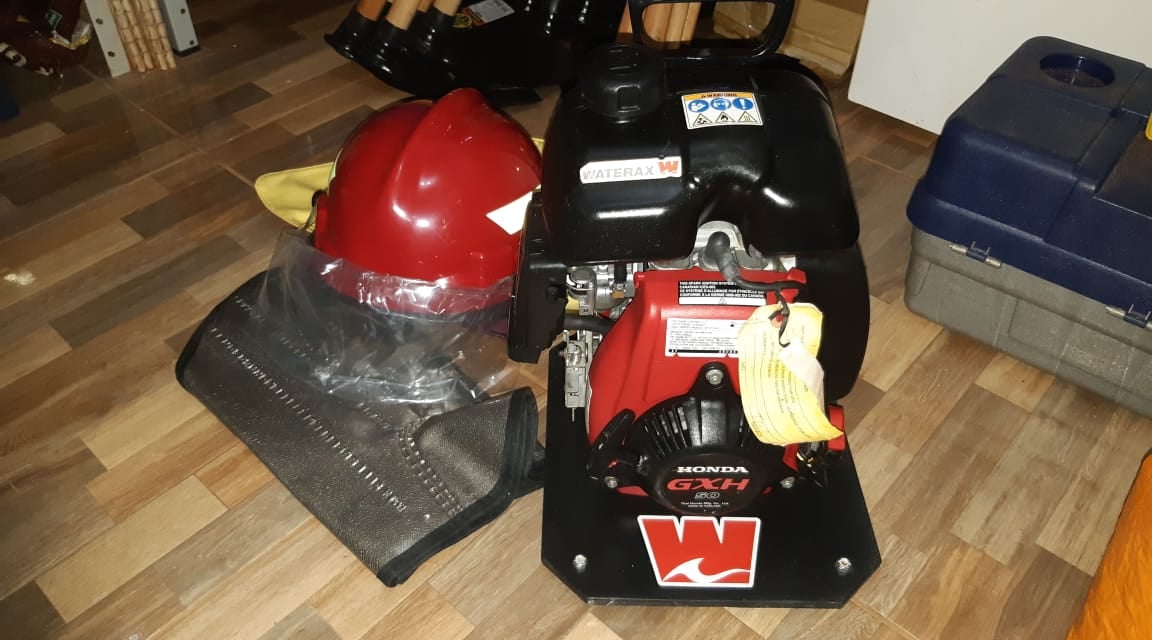
The Baía das Pedras ranch, our study area, together with other nine ranches will form a coalition covering ​​1,500 km² of the Pantanal biome. Baia das Pedras will be the central HQ of the coalition, keeping key equipment including a 5,000-liter portable water tank as well as water pumps and accessories that can be transported in urgency to neighboring ranches. In addition, each ranch will receive a kit of firefighting equipment (including a fire burner, a portable blower, chainsaw, blade cutter, sickles, and hoes) as well as individual protective equipment for FIVE individuals (fire-resistant boots, protective clothing, gloves, glasses, balaclavas, helmets, water bottles, leg protectors, etc.). We had the guidance of experienced firefighters and ranch owners to choose the equipment, and we have already purchased all the items.

In May 2021, following all the procedures against the COVID-19, we will hold an event at the Baía das Pedras ranch to gather the member of all the 10 ranches who are part of the coalition. Experienced firefighters from PrevFogo/IBAMA will attend and train landowners and their employees on how to use, store and upkeep the equipment. A Memorandum of Understanding will be signed with each participating ranch guaranteeing the proper use and care of the material and we will evaluate biannually the success of this initiative through questionnaires.

We will share the results of this experience with local and state stakeholders and policy makers in order to provide an example of potential strategies to prevent and reduce the occurrence of catastrophic fires in the Pantanal, such as 2020. This initiative also aims to guarantee the protection of the study area and a buffer zone of the most extensive long-term conservation project of the Lowland Tapir and the first long-term project focused on giant armadillos in the world.

Finally, we will provide funding to PrevFogo/IBAMA to keep 10 experienced firefighters for six months. The federal government maintains small groups of firefighters in different regions of the country only during the dry season (six months). During discussions with the coordinators of PrevFogo in Campo Grande/MS, we were told that their main need would be to keep some of their team for the remaining six months of the year (wet season). That way, they would have that additional time to train farmers, ranchers, local communities etc.

::/introtext::
::fulltext::::/fulltext::

Categories News Leave a comment

LCTI Pantanal Urgent Response – provide support to animal rescue teams and wildlife rehabilitation centers

17 de March de 2021 by Paula Piccin

::cck::726::/cck::
::introtext::

How LTCI – Lowland Tapir Conservation Initiative worked for Urgent Response to Pantanal

At the very beginning of the animal rescue work, we noticed the large number of occurrences with tapirs.  Therefore, our first action was the creation of a remote support group for animal rescue and rehabilitation teams. Through WhatsApp, we put members of these teams in contact with our network of tapir specialists including LTCI’s past and current veterinarians and biologists, zoo personnel, specialists in animal nutrition, and several researchers. All these different professionals in the network were available to discuss the best protocols for anesthesia, treatment, feeding and maintenance of animals from rescue until complete rehabilitation and release. In addition, we shared all the relevant materials we have available, such as manuals, guidelines, and protocols (veterinary, anesthetic, and laboratory).

In order to obtain the needed financial resources, an international online fundraising campaign was launched in mid-September (through credit card and PayPal). In addition, we have also applied to and obtained emergency resources from several zoo conservation funds and national and international companies and organizations. 

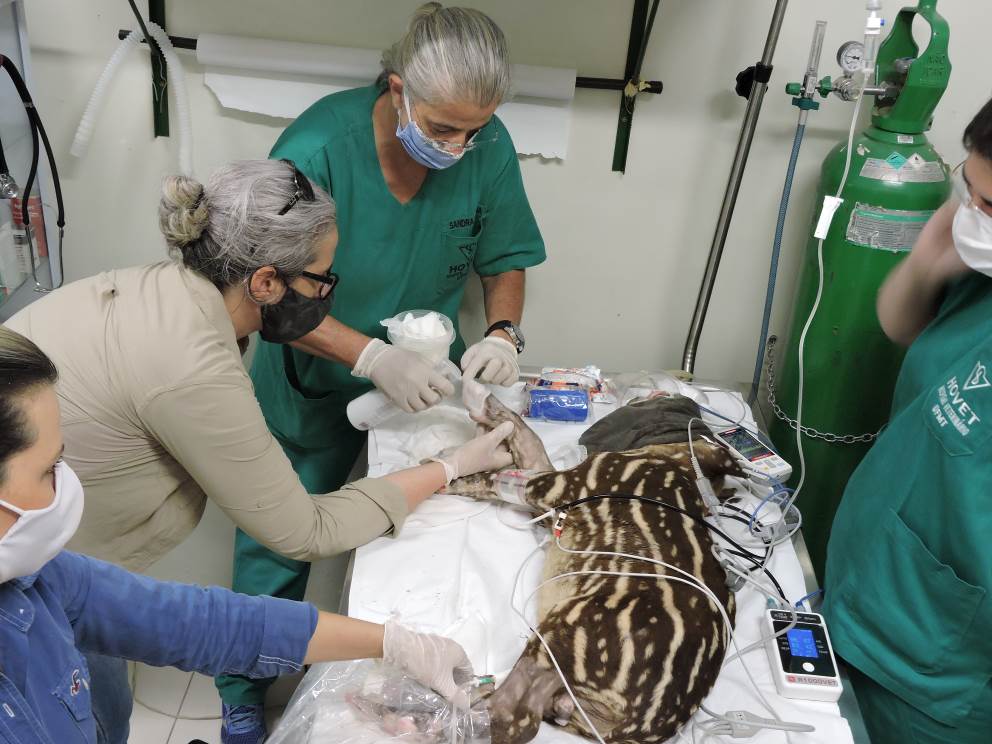
Part of the donations was used to provide veterinary equipment and supplies to animal rescue teams all over the Pantanal, as well as to the wildlife rehabilitation center at the Federal University of Mato Grosso in Cuiaba. These teams of heroes have taken risks and faced the most adverse conditions while rescuing and taking care of many burned animals. Tapirs, giant anteaters, otters, jaguars and many more species were received and treated in the best possible way, limited by the lack of adequate equipment and shortages of medicines and necessary materials.

For two months, one of our vets dedicated full-time to keeping in touch with different teams, keeping lists of their needs, placing orders for the purchase of equipment and supplies from several different companies, making payments, tracking shipments and much more. We drove twice to Cuiaba, bringing truckloads of materials.  

As urgent response, we have also allocated resources for the purchase of appropriate firefighting gear (such as fire-resistant boots, pants, shirts, gloves, and balaclavas, as well as helmets, eye protection, water pumps, fire hoses, shovels, chainsaws, air blowers, brush cutters). For this action, we worked in partnership with a non-profit organization called ECOA – Ecology and Action, which conducts several environmental and social projects in the Pantanal region since 1989. Our financial contribution was essential to assist these actions from logistics and transportation to gear purchase.

::/introtext::
::fulltext::::/fulltext::

Categories News Leave a comment

LCTI Pantanal Urgent Response – provide support to animal rescue teams and wildlife rehabilitation centers

17 de March de 2021 by Paula Piccin

::cck::726::/cck::
::introtext::

How LTCI – Lowland Tapir Conservation Initiative worked for Urgent Response to Pantanal

At the very beginning of the animal rescue work, we noticed the large number of occurrences with tapirs.  Therefore, our first action was the creation of a remote support group for animal rescue and rehabilitation teams. Through WhatsApp, we put members of these teams in contact with our network of tapir specialists including LTCI’s past and current veterinarians and biologists, zoo personnel, specialists in animal nutrition, and several researchers. All these different professionals in the network were available to discuss the best protocols for anesthesia, treatment, feeding and maintenance of animals from rescue until complete rehabilitation and release. In addition, we shared all the relevant materials we have available, such as manuals, guidelines, and protocols (veterinary, anesthetic, and laboratory).

In order to obtain the needed financial resources, an international online fundraising campaign was launched in mid-September (through credit card and PayPal). In addition, we have also applied to and obtained emergency resources from several zoo conservation funds and national and international companies and organizations. 

Part of the donations was used to provide veterinary equipment and supplies to animal rescue teams all over the Pantanal, as well as to the wildlife rehabilitation center at the Federal University of Mato Grosso in Cuiaba. These teams of heroes have taken risks and faced the most adverse conditions while rescuing and taking care of many burned animals. Tapirs, giant anteaters, otters, jaguars and many more species were received and treated in the best possible way, limited by the lack of adequate equipment and shortages of medicines and necessary materials.

For two months, one of our vets dedicated full-time to keeping in touch with different teams, keeping lists of their needs, placing orders for the purchase of equipment and supplies from several different companies, making payments, tracking shipments and much more. We drove twice to Cuiaba, bringing truckloads of materials.  

As urgent response, we have also allocated resources for the purchase of appropriate firefighting gear (such as fire-resistant boots, pants, shirts, gloves, and balaclavas, as well as helmets, eye protection, water pumps, fire hoses, shovels, chainsaws, air blowers, brush cutters). For this action, we worked in partnership with a non-profit organization called ECOA – Ecology and Action, which conducts several environmental and social projects in the Pantanal region since 1989. Our financial contribution was essential to assist these actions from logistics and transportation to gear purchase.

::/introtext::
::fulltext::::/fulltext::

Categories News Leave a comment

How LTCI will work for Pantanal Emergency in 2021

10 de November de 202217 de March de 2021 by Paula Piccin

::cck::725::/cck::
::introtext::

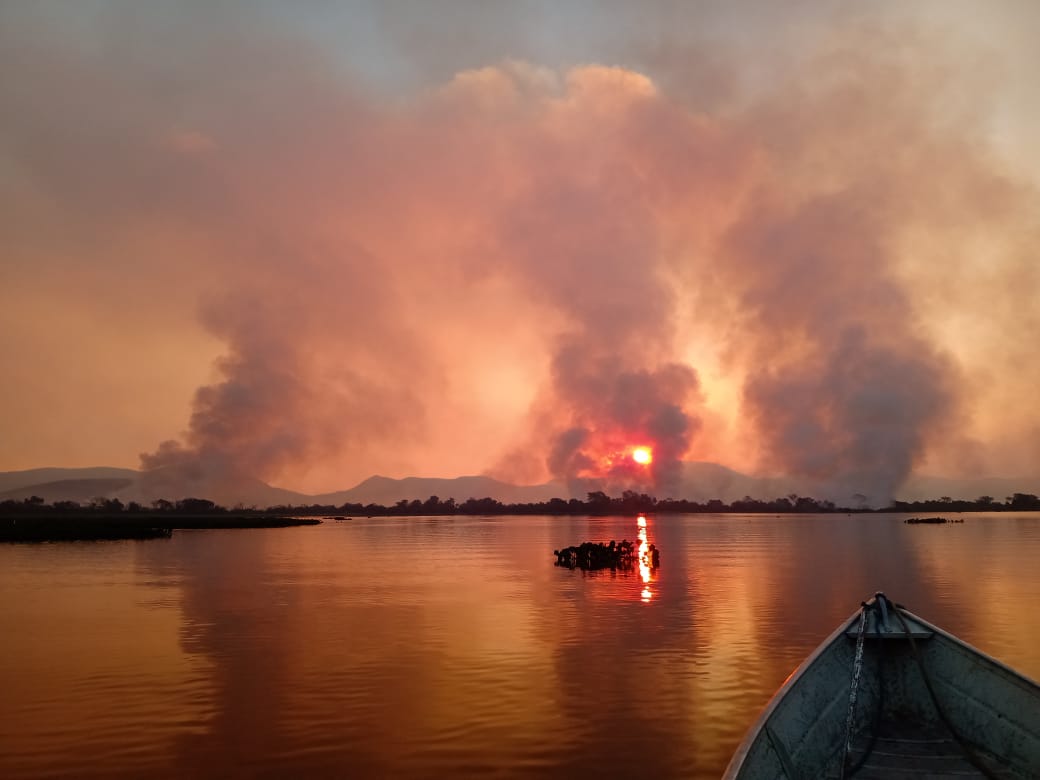
A major environmental tragedy hit Brazil with large-scale fires in the Amazon and the Pantanal. The fires in the Pantanal resulted from the junction of natural and socioeconomic factors. The year of 2020 saw the worst drought in over half a century, probably due to a combination of the climatic phenomenon La Niña, with climate change, effects of deforestation in the Amazon and uncontrolled increase of hydroelectric dams in the rivers that feed into the Pantanal.Furthermore, an ongoing government strategy has been weakening our environmental legislations, encouraging landowners to clear their lands illegally. Within this scenario, a combination of natural, accidental, and criminal fires has had an unprecedented devastating impact on the Pantanal. More than 30% of the biome burnt to ashes, destroying the rich local flora, killing millions of animals, and even affecting the means of life of local communities. The consequences are still little known, but unfortunately, they will still be felt for many decades. To deal with it, the LTCI – Lowland Tapir Conservation Initiative joined efforts with ICAS (Institute for the Conservation of Wild Animals) to define priority actions and outline support strategies, which fell into three different fronts: URGENT RESPONSE, PREVENTION, and IMPACT MEASUREMENT.

::/introtext::
::fulltext::::/fulltext::

Categories News Leave a comment

Free download: Geographic Citizen Science Design. IPÊ researcher writes about his experience with fishers in the Pantanal

5 de February de 2021 by Paula Piccin

::cck::712::/cck::
::introtext::

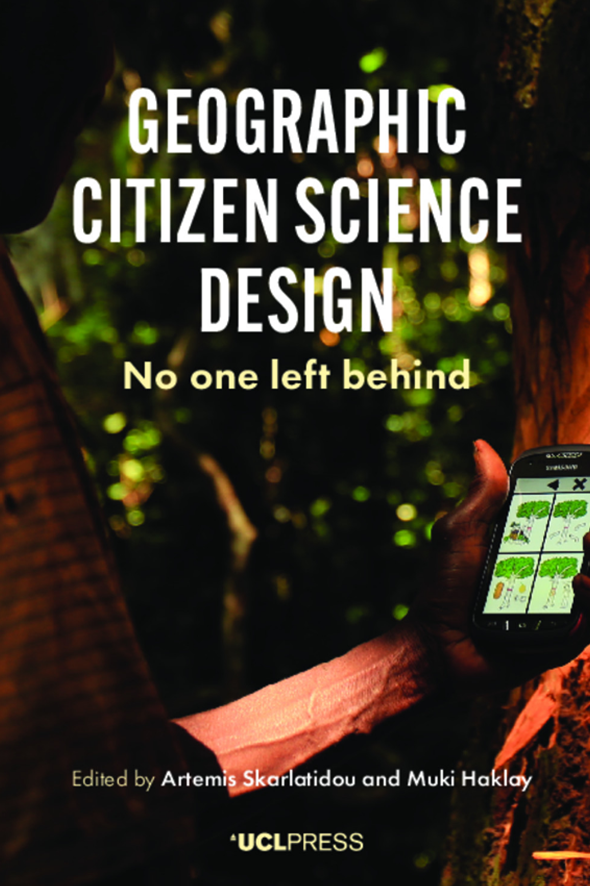
Geographic Citizen Science Design – No one left behind was edited by Artemis Skarlatidou and Muki Haklay. Here, articles about different experiences in this field have been published. Rafael Chiaravalloti, researcher at IPÊ, tells us about his learnings working with fishers in the Pantanal wetland: “Representing a fish for fishers: geographic citizen science in the Pantanal wetland, Brazil”

– The creation of strictly protected areas in the western border of the Pantanal wetland, Brazil, has led to the physical and economic displacement of local people.

– A geographic citizen science programme was implemented to support local people to represent their customary practices, and to encourage practitioners to incorporate local people’s needs better in the conservation agenda.

– Time spent with local people to gain rapport is a fundamental step in the implementation of a successful geographic citizen science programme.

Download here

::/introtext::
::fulltext::::/fulltext::

Categories News Leave a comment

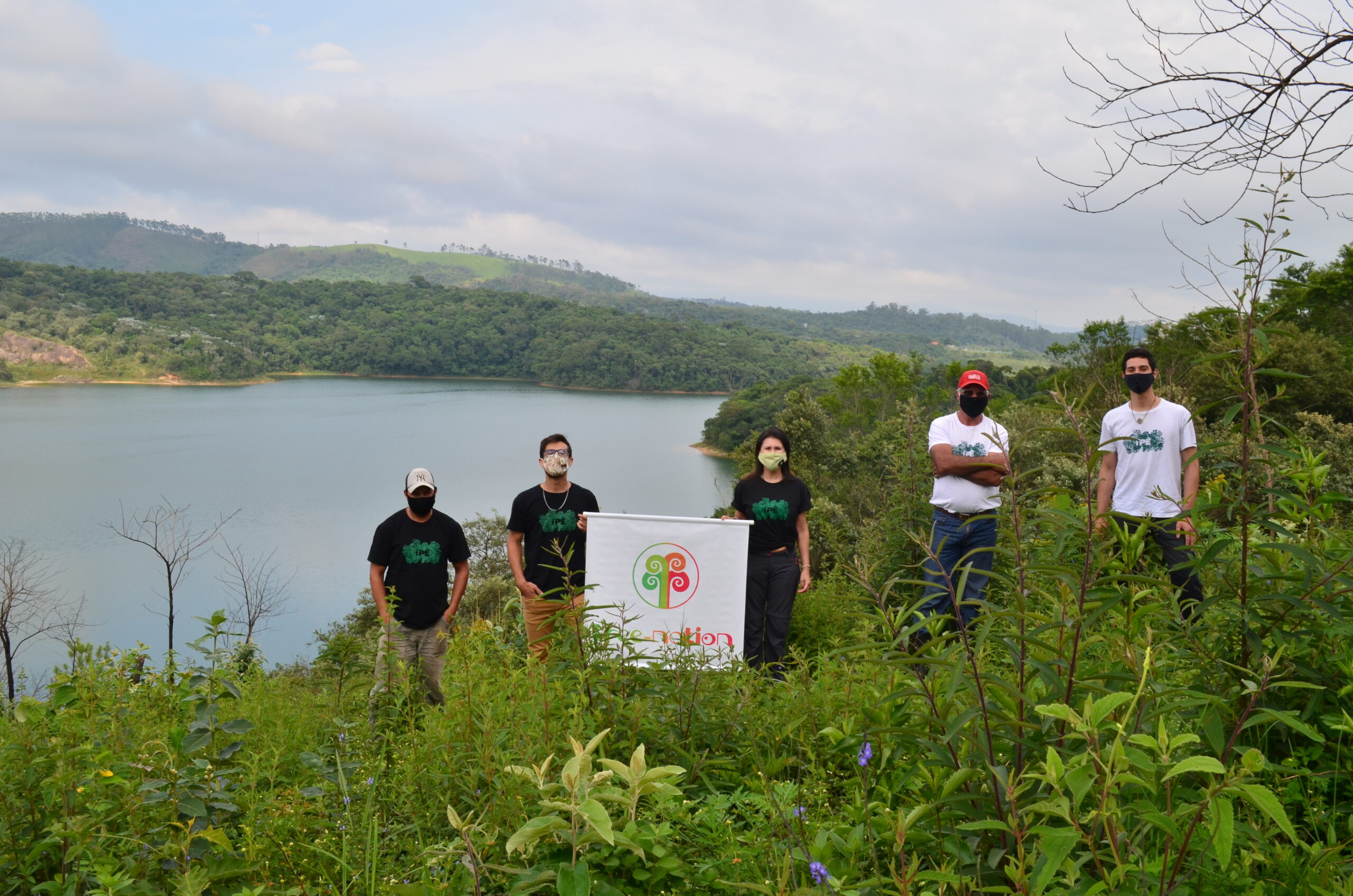
Trees donated with Tree-Nation were planted in the Cantareira System

29 de January de 2021 by Paula Piccin

::cck::708::/cck::
::introtext::

IPÊ planted more than 1,500 trees in the Cantareira System, in a strategic region for the Atlantic Forest. This was possible because of individuals and companies donations using Tree-Nation, a platform where people have the opportunity to make a donation for tree plantations. There are 243 registered projects from 33 countries that share the objective of tackling climate change, like “Sowing Water Project”, an IPÊ initiative.

The first Tree-Nation trees were planted around the Atibainha reservoir, that takes part of the largest water supply systems in the world – Cantareira System.

In the Cantareira System, more than 21 thousand hectares of APPs – Permanent Preservation Areas need to be restored.

“The challenge in the region is huge and all donations are very important, because is helping us to restore forests and improving water production, in quantity and quality for millions of people. In the metropolitan region of São Paulo alone, 7.6 million people receive water from the Cantareira System, in addition to 5 million in the Campinas and Piracicaba regions”, celebrates Andrea Pupo, responsible for the Sowing Water Project.

On the Tree-Nation platform, people can choose which species they want to donate. Species diversity is essential for the Atlantic Forest and requires planning that takes into account the particularities of each one, as explained by Paulo Roberto Ferro, forest engineer at IPÊ.

“In addition to the division between cover species – which show rapid growth – and diversity that have a longer life span, we evaluate which ones best suit local characteristics. Araucaria, for example, shows good development in particular, in the higher areas with deeper soils, which also contributes to the dispersion of seeds. As for the juçaras, we look for areas where the forest remnants in the surroundings already provide a certain shade, a structure, in fact, capable of contributing to the development of the seedlings ”.

The next planting of Semeando Água with funds from Tree-Nation donations is scheduled for March.

DONATE NOW

::/introtext::
::fulltext::::/fulltext::

Categories News Leave a comment

IPÊ researcher won Whitley Continuation Funding and will plant 1 million trees

16 de December de 2020 by Paula Piccin

::cck::697::/cck::
::introtext::

Winner of the Whitley Award in 2002, considered the Oscar for Biodiversity Conservation, IPÊ researcher Laury Cullen Jr. is now one of the 13 Whitley Continuation Funding winners. The Whitley Fund for Nature (England) award is aimed at conservationists around the world, with the aim of ensuring scale for projects already supported once by the organization.

Laury is a forest engineer and dedicates his profession to restoring one of the most fragmented areas of the Atlantic Forest in Brazil, Pontal do Paranapanema, in the West of São Paulo. With the Corridors for Life project, he coordinated the planting of the largest corridor ever reforested in Brazil, which connects two importants Protected Areas of the Atlantic Forest: the Morro do Diabo State Park (PEMD) and the Mico-Leão-Preto Ecological Station. The corridor, which passes inside the Rosanela farm, has 12 kilometers and 2.4 million trees planted. It was born from the need to conserve rare and endemic species (which only exist in that region) such as the black lion tamarin, which live in what remains of the local Atlantic Forest.

The Atlantic Forest corridors are the result of a long term strategic study for planting forests in areas relevant to the fauna and flora of that region. In addition, it is the result of many partnerships between all sectors: government, private and non-government. The project considers, mainly, social participation as one of its greatest achievements: it brings income generation to families, new ways of producing and helps to build new sustainable businesses, for example, with community nurseries. Here’s how it happens. “This is another major step in the mission to reconnect the Pontal do Paranapanema forest. We have been working on this for over 25 years and we are sure to make a big leap thanks to the Whitley fund. It is an award for us, from IPÊ, but above all, for the Atlantic Forest ”, celebrates Laury.

The forest corridors today are no longer limited to 12 kilometers. They advanced to the north of the PEMD and, by the end of 2020, there will already be a total of 500,000 more trees planted in this portion of the Atlantic Forest that needs to be reconnected. To the north, a new corridor is already formed by the project led by Laury and carried out by the team of IPÊ professionals in Pontal: Haroldo Borges Gomes, Nivaldo Ribeiro Campos, Aline Souza, Maria das Graças Souza, Williana Marin and Aires Cruz. In all, with the project, IPÊ currently has around 2.9 million trees planted. With Continuation Funding, it will be possible to plant 500 hectares of forest in two years. In other words, there will be another 1 million trees in the Atlantic Forest, which will generate climatic benefits, offsetting 43,000 tons of carbon; that they will support the conservation of endangered species such as the black lion tamarin and the Brazilian tapir; and that will provide restoration work opportunities for local communities. 

“Restoration in Oeste Paulista is the most interesting path for development and the local economy. The forest deficit in the region is almost 60,000 hectares. Our goal is to restore 5,000 hectares in five years. There is a forestry need, but it is also an economic and social outlet of great relevance. With reforestation, it is possible to generate U$ 10 million in the region’s economy, U$ 1.2 million in community nurseries and U$ 25,000 in agroforestry products from small rural producers, until 2025. It is something promising, which benefits companies, government sectors, biodiversity and, of course, society ”, he adds.

::/introtext::
::fulltext::::/fulltext::

Categories News Leave a comment

IPÊ’s Project in Amazon integrates the global platform Unesco Green Citizens

3 de December de 2020 by Paula Piccin

::cck::693::/cck::
::introtext::

The Agrobiodiversity project in the lower Rio Negro, in the Amazon is among the initiatives selected by the Unesco Green Citizens campaign. The goal? Attract supporters from different parts of the world to engage in local projects identified as true inspirations towards global change. The Unesco Green Citizens campaign has a platform where you can learn about the projects selected by Unesco teams and groups of observers around the world, based on three criteria: duplicable, innovative and impactful.

Unesco Green Citizens expects to select 100 projects / year. At the moment, about 30 projects are on the newly launched platform, including three Brazilian projects. On the platform, each project has a page that provides an overview of each initiative, photos and a form that allows direct contact between those interested in supporting the initiative – you can be one of them!

On the project form page, you can choose which front you want to support and start the conversation.

Mariana Gama Semeghini, associate researcher at IPÊ, shares how it was to discover that the project she coordinated was among those selected. “At first I was surprised and surprised by Unesco’s contact, as I did not register for any Unesco process. But then I was very honored and proud of the nomination. I consider it a recognition of all the work that IPÊ develops in the Lower Rio Negro in partnership with communities and other institutions”.

About the Project

The Agrobiodiversity project in the lower Rio Negro takes place in Manaus and has the participation of Mariana Gama Semeghini, associate researcher at IPÊ, Márcio Arthur Oliveira de Menezes, Leonardo Pereira Kurihara and Thiago Mota Cardoso. The actions started in 2005, with the proposal to combine biodiversity conservation with sustainable development, through agroforestry systems, valorization of local knowledge, and entrepreneurship; all of this in an area threatened by deforestation in the Amazon. To date, the project has directly benefited around 50 families.

The researchers seek to stimulate social and ecological solutions generated in the communities for the development and consolidation of agroecological production systems and agrobiodiversity products (jams, cookies and sweets) aligned with the conservation of biodiversity.

Participatory research, training and exchange of knowledge and experiences between researchers and communities (traditional knowledge and technical / scientific knowledge) are among the strategies identified as a way of valuing local knowledge and contributing to communities’ income generation, through entrepreneurship, including the strengthening of local organizations, business partnerships, in addition to marketing based on the principles of solidarity economy and fair trade. It is worth mentioning the training and participation of groups of women from the communities in regional and national markets for the marketing of products. The group also participates in Community Based Tourism tours in the region, with the organization of breakfast made from regional products.

::/introtext::
::fulltext::::/fulltext::

Categories News Leave a comment

Pantanal: Damage caused by the wildfires and deforestation can reach at least 40% of the biome

3 de December de 2020 by Paula Piccin

::cck::692::/cck::
::introtext::

When you look at the news about wildfires in Pantanal, which has already burned 25% of the biome, you can have a have perception of that being the total impacted area nowdays. However, when researchers analyzed the deforested and burnt areas until October 2020, they found that the damage reaches at least 40% of Pantanal.

“The wildfires in Pantanal already passed 28% of its biome. Although, the impact isn’t only this. Today it’s estimated that more than 15% of the region was deforested. There are few overlapping spots between those areas. Considering these two impacts, the data shows that at least 40% of Pantanal is already compromised. This isn’t permanent, Pantanal shows it has a big ability to recover, which we call “resilience”. Although, as in 2020, vast areas were burned, probably the resilience will be smaller when compared to other years”, Rafael Chiaravalloti points out, professor of ESCAS – Escola Superior de Conservação Ambiental e Sustentabilidade (Superior College of Environmental Conservation and Sustainability), researcher of IPE – Instituto de Pesquisas Ecológicas (Institute of Ecological Researches) from Smithsonian Conservation Biology (USA) and scientific director of Ecoa – Ecologia e Ação (Ecology and Action).

According to him, the biome needs more time to recover. “It’s the same that happens if we imagine a neighborhood in which one house is destroyed, the neighbors can help recover it, but if many houses gets destroyed, the recovery will take way longer. At Pantanal what we have is the second scenario”.

mapa queimadas pantanal


* According to INPE, the Burned Area product with a 1km spatial resolution is in version 0.6 and is in the validation phase, at the Provisional maturity level.

The map above – with the deforested and burned areas – was developed by the project “Paisagens Sustentáveis” (Sustainable Landscapes) in the Pantanal, a partnership between the Smithsonian Conservation Biology Institute, Embrapa Pantanal and IPÊ. “With this map, made by Henrique Shirai who is also a master at ESCAS, who is part of the project team, we want to understand the impact of fires on these sustainable landscapes. We still consider the Pantanal as a biome that can combine conservation with production, but at the same time, the fires shows us that some measures needs to be replanned. The fires are not the end of the Pantanal, but they are certainly a red alert, especially when we analyze the integrated impacts of climate change, increased deforestation in the region surrounding the biome and the construction of hydroelectric plants in the region, which can certainly be a burden to the protection of the Pantanal ”.

The Sustainable Landscapes project in the Pantanal started this year with two main objectives. “Understand what sustainable landscapes in the Pantanal are and accelerate the certification process for sustainable farms; joining efforts with Embrapa Pantanal to expand the Sustainable Pantaneira Farm certification for the entire biome.

Certifications can mainly bring economic benefits to homeowners, such as credit facilities and tax breaks”, Chiaravalloti revealed. The team also includes researcher Dr. Walfrido Tomas from Embrapa Pantanal, Andre Restel Camilo, from Smithsonian, and Dr. Peter Leimgruber, also from Smithsonian. Rafael also points out that the approval of the Pantanal Law, can help reinforce the alliance between conservation and production, and could represent an important advance for the region. “.

The Article 10 of the New Forest Code highlights the Pantanal as a peculiar environment that needs specific regularization. With alignment between landowners and conservationists, we could celebrate with the Pantanal Law what many farmers have been doing for 150 years. Some farmers want what conservationists want – sustainable development, and we need to move towards that goal. ”.

About the drought in the Pantanal, the ESCAS professor highlights factors that aggravate the situation. “The current scenario is not an exclusive consequence of drought cycles, there are also the issues of PCHs – “Pequenas Centrais Hidrelétricas” (Small Hydroelectric Plants) that reduce the dynamics of flooding in the biome, in addition to deforestation and global warming that make the prospects even more complicated. Waterway projects also have the potential to reduce this flooding dynamic in the Pantanal”.


::/introtext::
::fulltext::::/fulltext::

Categories News Leave a comment
Older posts
Newer posts
← Previous Page1 … Page8 Page9 Page10 … Page12 Next →

Posts Recentes

  • IPÊ inaugura nova sede em Manaus/AM 
  • Projeto fortalece o manejo de castanha-da-amazônia na Flona de Caxiuanã, no Pará
  • Oportunidade: Seleção de Pessoa Jurídica para desenvolvimento de cadeias da sociobiodiversidade na Chapada do Araripe (CE) 
  • Comunitário da RDS Puranga Conquista participa de evento nacional de Restauração Ecológica em Brasília
  • Cartilha sobre meliponicultura do Projeto Agroecologia em Rede é premiada em Congresso Amazonense de Meliponicultura 

Publicações

  • August 2026
  • July 2026
  • June 2026
  • May 2026
  • April 2026
  • March 2026
  • February 2026
  • January 2026
  • December 2025
  • November 2025
  • October 2025
  • September 2025
  • August 2025
  • July 2025
  • June 2025
  • May 2025
  • April 2025
  • March 2025
  • February 2025
  • January 2025
  • December 2024
  • November 2024
  • October 2024
  • September 2024
  • August 2024
  • July 2024
  • June 2024
  • May 2024
  • April 2024
  • March 2024
  • February 2024
  • January 2024
  • December 2023
  • November 2023
  • October 2023
  • September 2023
  • August 2023
  • July 2023
  • June 2023
  • May 2023
  • April 2023
  • March 2023
  • February 2023
  • January 2023
  • December 2022
  • November 2022
  • October 2022
  • September 2022
  • August 2022
  • July 2022
  • June 2022
  • May 2022
  • April 2022
  • March 2022
  • February 2022
  • January 2022
  • December 2021
  • November 2021
  • October 2021
  • September 2021
  • August 2021
  • July 2021
  • June 2021
  • May 2021
  • April 2021
  • March 2021
  • February 2021
  • January 2021
  • December 2020
  • November 2020
  • October 2020
  • September 2020
  • August 2020
  • July 2020
  • June 2020
  • May 2020
  • April 2020
  • March 2020
  • February 2020
  • January 2020
  • December 2019
  • November 2019
  • October 2019
  • September 2019
  • August 2019
  • July 2019
  • June 2019
  • May 2019
  • April 2019
  • March 2019
  • February 2019
  • January 2019
  • December 2018
  • November 2018
  • October 2018
  • September 2018
  • August 2018
  • July 2018
  • June 2018
  • May 2018
  • April 2018
  • March 2018
  • February 2018
  • January 2018
  • December 2017
  • November 2017
  • October 2017
  • September 2017
  • August 2017
  • July 2017
  • June 2017
  • May 2017
  • April 2017
  • March 2017
  • February 2017
  • January 2017
  • December 2016
  • November 2016
  • October 2016
  • September 2016
  • August 2016
  • July 2016
  • June 2016
  • May 2016
  • January 2016
  • December 2015
  • November 2015
  • October 2015
  • September 2015
  • August 2015
  • July 2015
  • June 2015
  • May 2015
  • April 2015
  • March 2015
  • February 2015
  • January 2015
  • December 2014
  • November 2014
  • October 2014
  • September 2014
  • August 2014
  • July 2014
  • June 2014
  • May 2014
  • April 2014
  • March 2014
  • February 2014
  • January 2014
  • December 2013
  • November 2013
  • October 2013
  • September 2013
  • July 2013
  • June 2013
  • May 2013

Categorias

  • Annual Reports
  • Áreas Protegidas
  • Baixo Rio Negro
  • Boas Práticas
  • Cases de MRC
  • Centro de Educação e Cooperação Socioambiental para o Clima
  • COP-16 Agenda
  • COP16
  • COP30
  • Cursos
  • Depoimentos
  • Doe
  • Donate
  • Home
  • Home
  • Iniciativas para Doação
  • IPÊ
  • IPÊ
  • IPÊ
  • IPE
  • ipe em movimento
  • Não categorizado
  • Negócios Sustentáveis
  • News
  • Notícias
  • Paisagens Climáticas
  • Pesquisa e Desenvolvimento
  • Pontal do Paranapanema
  • Projetos
  • Projetos Temáticos
  • publicacoes
  • publicacoes
  • ra.2022
  • Relatórios Anuais
  • Thematic Projects
  • Uncategorised
A implementação do kmspico em sistemas educacionais ou corporativos permite uma utilização mais racional dos recursos e apoia iniciativas de proteção ambiental. Você pode download ativador kmspico com segurança agora mesmo.

Onde Estamos

Rod. Dom Pedro I, km 47
Nazaré Paulista, SP, Brasil
Caixa Postal 47 – 12964-022
Tel: (11) 3590-0041

Mapa para o IPÊ
Escritórios
Ouvidoria

Redes Sociais

  • Facebook
  • Twitter
  • Instagram
  • Youtube
  • Linkedin

Política de Privacidade
Programa de Privacidade
Políticas de Cookies

Termos de Uso | Estatuto
Copyright © Ipê – Instituto de Pesquisas Ecológicas.
Email: ipe@ipe.org.br

kraken onion kraken darknet kraken tor
A implementação do kmspico sistemas educacionais ou corporativos permite uma utilização racional dos recursos e apoia iniciativas de proteção ambiental Você pode download ativador kmspico com segurança agora mesmo kmspico.lc.