

IPÊ e MMA concluem etapas participativas para a criação do novo mapa de áreas prioritárias da Mata Atlântica
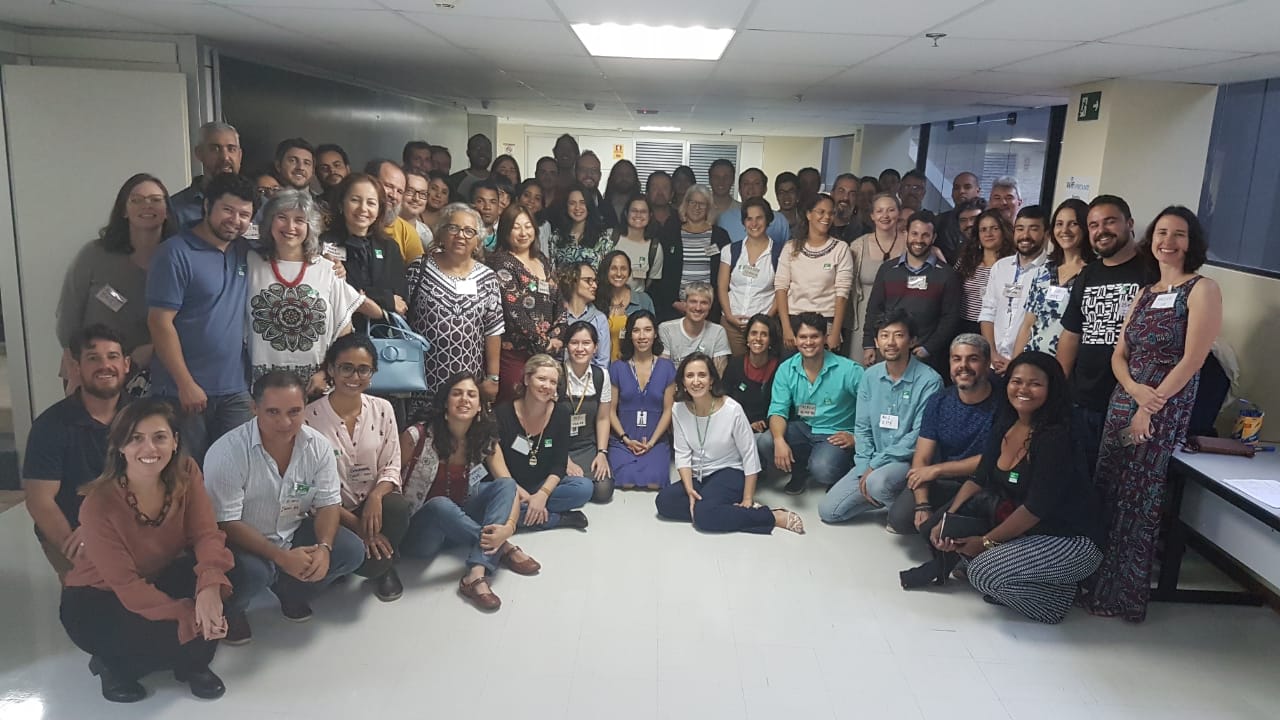
A quarta e última oficina participativa de criação do novo mapa de áreas prioritárias para a conservação da Mata Atlântica foi encerrada no dia 8 de novembro, em Brasília. Este é o segundo processo de Atualização das Áreas Prioritárias da Mata Atlântica, que teve início em novembro de 2017 e foi coordenado pelo Departamento de Conservação de Ecossistemas (DECO) da Secretaria de Biodiversidade do Ministério do Meio Ambiente em parceria com o IPÊ – Instituto de Pesquisas Ecológicas.
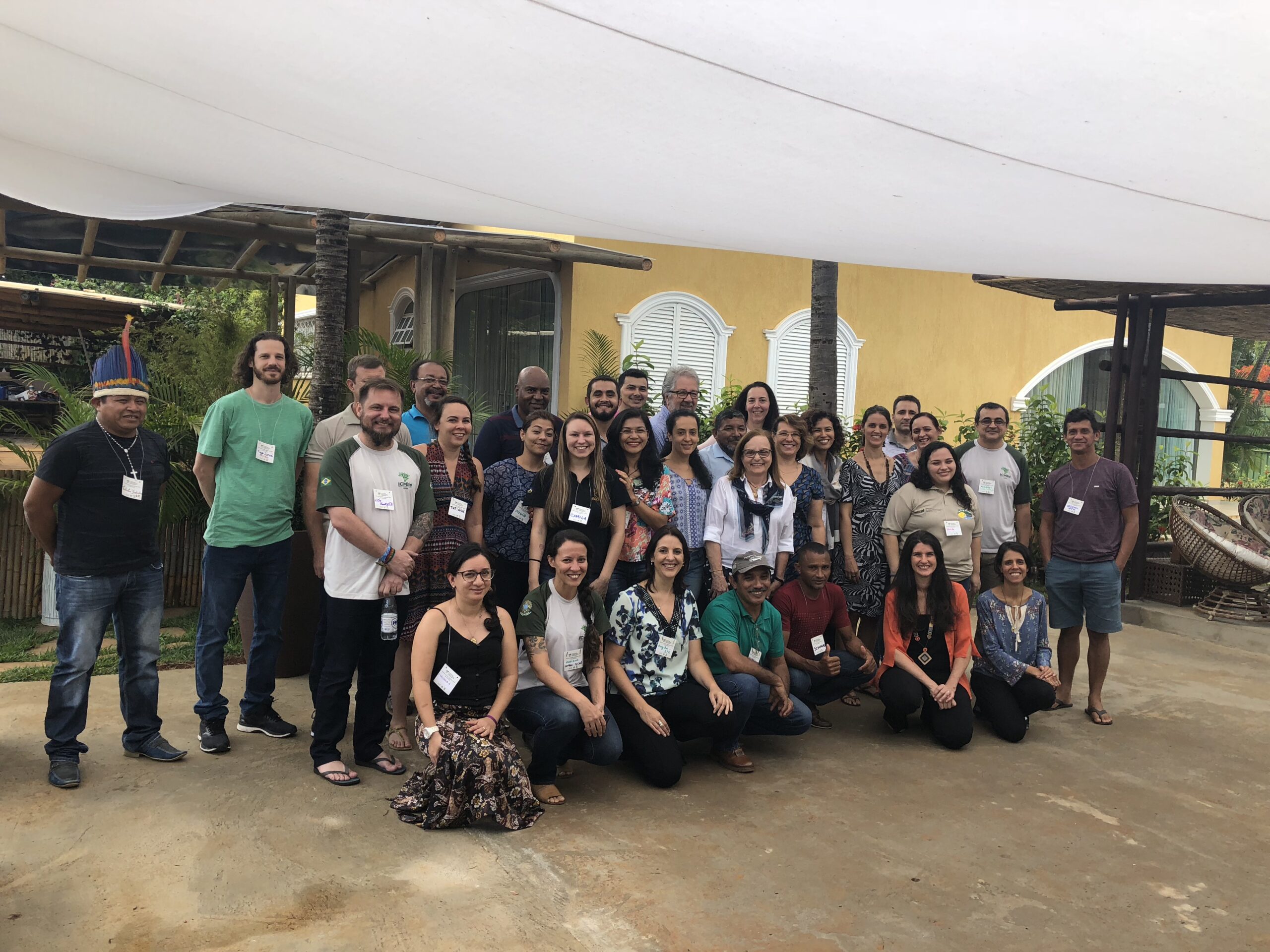
O processo de criação desse novo mapa de áreas prioritárias para a conservação do bioma foi feito completamente de modo participativo. Sociedade civil, universidades, centros de pesquisa, representantes governamentais, empresas e cidadãos comuns puderam participar de pelo menos uma das cinco etapas que envolveram esse grande levantamento: Consulta Pública para avaliar a última atualização das Áreas Prioritárias; Definição de alvos e metas para conservação; Definição da superfície de custo; definição da superfície de oportunidades; e Definição das áreas e ações prioritárias para a conservação, uso sustentável e repartição dos benefícios da biodiversidade na Mata Atlântica..
A última etapa participativa, encerrada em novembro, contou com 80 pessoas e validou os resultados obtidos até então. “Um componente essencial de um processo participativo é a validação dos resultados das análises com as pessoas que participaram na construção do processo. Temos agora uma proposta de áreas prioritárias, baseada na análise de dados recomendados por especialistas. Essas áreas atingem as metas para conservação de 99% dos alvos do processo. O objetivo a partir de agora é fazer um refinamento dos limites dessas áreas e recomendar ações de conservação para cada área”, comenta Clinton Jenkins, coordenador do projeto no IPÊ.
A seleção de áreas prioritárias para a conservação é um instrumento de política pública para apoiar a tomada de decisão, de forma objetiva e participativa, no planejamento e implementação de ações para conservação da biodiversidade brasileira, tais como a criação de unidades de conservação (UC), licenciamento, fiscalização e fomento ao uso sustentável. As regras para a identificação de tais Áreas e Ações Prioritárias foram instituídas formalmente pelo Decreto nº 5.092/2004 no âmbito das atribuições do MMA. De acordo com Mateus Motter Dala Senta, Analista Ambiental do MMA, esse mapa será um instrumento de planejamento para uma conservação eficaz do bioma.
“Esta última oficina de trabalho foi de fundamental importância para apresentarmos e validarmos as áreas prioritárias para a conservação da biodiversidade na Mata Atlântica e identificarmos as principais recomendações de ações de conservação para cada área prioritária. Esperamos que os resultados deste processo possam ser utilizados como uma ferramenta que contribua para um sistema de planejamento mais eficaz, no qual investimentos e esforços, tanto do governo quanto da iniciativa privada, sejam aplicados para subsidiar uma estratégia espacial que promova ações integradas de conservação e uso sustentável da biodiversidade da Mata Atlântica”, afirmou Mateus, analista ambiental do Departamento de Conservação de Ecossistemas, Secretaria de Biodiversidade do Ministério do Meio Ambiente.
Para os coordenadores da iniciativa, envolver os segmentos da sociedade em busca de estratégias para a conservação de um dos biomas mais ameaçados do Brasil, foi um processo enriquecedor. Segundo Angela Pellin, pesquisadora do IPÊ, um mapa feito a partir desses resultados tem muito mais chance de ser viável em sua aplicação prática.
“Avaliamos que foi um processo muito positivo e que conseguimos avançar em relação à ultima atualização das áreas prioritárias que foi realizada em 2007, pois temos uma quantidade muito maior de informações espacializadas subsidiando o exercício. Conseguimos incluir de forma bastante objetiva na análise, os custos e oportunidades que dificultam ou facilitam a conservação para auxiliar na seleção das áreas prioritárias. Com isso temos um mapa de áreas prioritárias mais refinado e adequado ao contexto, e portanto, com maior possibilidade de implementação”, afirma.
O trabalho para criação do novo mapa foi desenvolvido no âmbito do Projeto Biodiversidade e Mudanças Climáticas na Mata Atlântica, coordenado pelo MMA no contexto da Cooperação para o Desenvolvimento Sustentável Brasil-Alemanha, parte da Iniciativa Internacional de Proteção do Clima (IKI) do Ministério Federal do Meio Ambiente, Proteção da Natureza e Segurança Nuclear (BMU) da Alemanha. O projeto também conta com o apoio técnico da Deutsche Gesellscha fürInternaonale Zusammenarbeit (GIZ) GmbH e tem apoio financeiro do Banco de Fomento Alemão (KfW), por intermédio do Fundo Brasileiro para Biodiversidade (Funbio).