Skip to content
  • IPÊ
    • Sobre o IPÊ
    • Missão
    • Nosso Credo
    • Governança
    • Estratégias
    • Apoiadores e Parceiros
    • Prêmios
    • Imprensa
    • Ipeanos
    • Onde Estamos
    • Nossos Resultados
    • Relatórios Anuais
    • Seja nosso Parceiro
  • Doe Agora
    • Doe Florestas
    • Por que doar?
    • Arredonde Suas Compras
    • Doe com PayPal ou Conta Corrente
    • Doações internacionais
    • Adote uma Espécie
    • Proteja o Sistema Cantareira
  • Notícias
    • Últimas Notícias
  • Projetos
    • Baixo Rio Negro
    • Nazaré Paulista
    • Pantanal e Cerrado
    • Sul da Bahia
    • Pontal do Paranapanema
    • Projetos Temáticos
      • Voluntariado para Conservação
      • Pesquisa e Desenvolvimento / P&D
      • Áreas Protegidas
      • Integração Escola e Comunidade
      • Projeto Escolas Climáticas
      • Paisagens climáticas
      • Centro de Educação e Cooperação Socioambiental para o Clima
      • Fábrica de Soluções
      • Territórios da Vida Silvestre
  • Negócios Sustentáveis
    • Marketing Relacionado a Causas
    • Cases de MRC
    • Modelos de Parcerias
    • Iniciativas para Doação
  • Soluções em Educação
    • Escas
    • Mestrado Profissional
    • Pós-graduação
    • Cursos de Curta Duração
  • Publicações
    • Flora Regional
    • Boas Práticas em UCs
    • Atlas Cantareira
    • Artigos Científicos
    • Séries Técnicas, Guias e Outros Materiais
  • Estatuto
  • Código de Ética
  • Parcerias Públicas
  • Fale Conosco
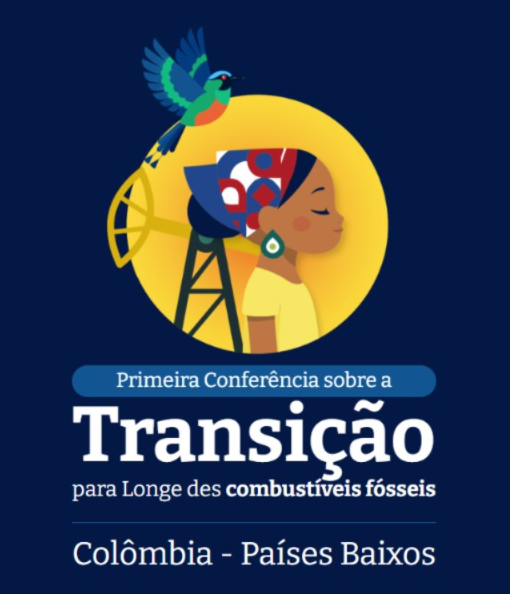
logo da conferência de santa marta

Santa Marta conference advances and establishes new dynamics in the Transition Away from Fossil Fuels

30 de June de 202630 de April de 2026 by Cibele Quirino

The first Conference on the Transition Away from Fossil Fuels, led by Colombia and co-organized by the Netherlands, took place less than six months after its official announcement during COP30 in Belém, Pará (Brazil), reinforcing that new arrangements are likely to gain momentum to support a just, orderly, and equitable transition.

Of the 80 countries that signaled interest during COP30, 57 were present in Santa Marta, Colombia, in support of the commitments established under the Paris Agreement. From its first official mention at COP28 in Dubai in 2023, highlighting the importance of “transitioning away from fossil fuels in energy systems, beginning in this decade”, to the Santa Marta Conference, held outside the official events of the United Nations Framework Convention on Climate Change (UNFCCC), less than three years have elapsed. Even so, the progress achieved during the Conference demonstrated the potential to establish criteria for the transition away from fossil fuels and expand the number of countries participating in the coalition.

“The event is a direct outcome of COP30, when President Lula proposed that each country should develop a proper Transition Roadmap. The meeting was excellent and centered on science,” said Simone Tenório, IPÊ’s Institutional Relations representative for the Climate and Biodiversity COPs and related events.

“This movement provides the driving force needed to truly drive the transition toward a sustainable economy, creating new areas of activity that allow economic development while maintaining ecosystem services and protecting biodiversity, including ourselves,” Simone added.

Advances

Discussions focused on three main areas: reducing economic dependence on fossil fuels, transforming supply and demand, and promoting international cooperation.

Over the course of five days, approximately 1,500 participants—including representatives of civil society, Indigenous peoples and traditional communities, legislators, and professionals from funding agencies—worked in thematic assemblies to consolidate documents with the potential to guide the pathways toward a just transition.

“Santa Marta is an important first milestone. The transition, launched under the Paris Agreement, is now taking shape by showing concrete mechanisms. The war driven by oil interests made the costs of dependence on fossil fuels clear and accelerated the urgency of building a new low-carbon economy. The economic impacts of this dependence have been experienced globally. If climate change alone was not enough to mobilize governments and society, economic pressures and threats to sovereignty in some countries have forced a powerful reality check,” Simone commented.

The next Conference will be held in 2027 in Tuvalu, preceded by a pre-conference meeting in Ireland.

One of the main outcomes of the Santa Marta Conference was the creation of the Scientific Panel for the Global Energy Transition (SPGET), which will support countries in overcoming their dependence on fossil fuels. The scientists involved will contribute to the development of roadmaps aligned with the 1.5°C pathway and aimed at dismantling legal, financial, and political barriers to the energy transition.

The group is led by Carlos Nobre, globally renowned for his work on the Amazon; Gilberto Jannuzzi of the State University of Campinas (Unicamp); and Johan Rockström, Director of the Potsdam Institute for Climate Impact Research.

There is a strong commitment to avoiding redundancy. For this reason, a coordination group will ensure continuity toward the second and subsequent conferences. The group is also responsible for ensuring complementarity with the United Nations Framework Convention on Climate Change (UNFCCC) and existing international mechanisms.

Among the commitments established is the delivery of the Santa Marta Report to the COP30 Presidency to support the development of the Transition Roadmap. Expectations are that Brazil will present its Roadmap for the Transition Away from Fossil Fuels during the second half of the year. This commitment was announced by André Corrêa do Lago, President of COP30, during the conference in Belém.

Categories News
IPÊ divulga termo de referência para contratação de empresa especializada em geologia para atuação no projeto Agroecologia em Rede  
Conferência de Santa Marta avança e estabelece novas dinâmicas na transição para longe dos combustíveis fósseis 

Leave a Comment Cancel reply

Posts Recentes

  • IPÊ inaugura nova sede em Manaus/AM 
  • Projeto fortalece o manejo de castanha-da-amazônia na Flona de Caxiuanã, no Pará
  • Oportunidade: Seleção de Pessoa Jurídica para desenvolvimento de cadeias da sociobiodiversidade na Chapada do Araripe (CE) 
  • Comunitário da RDS Puranga Conquista participa de evento nacional de Restauração Ecológica em Brasília
  • Cartilha sobre meliponicultura do Projeto Agroecologia em Rede é premiada em Congresso Amazonense de Meliponicultura 

Publicações

  • August 2026
  • July 2026
  • June 2026
  • May 2026
  • April 2026
  • March 2026
  • February 2026
  • January 2026
  • December 2025
  • November 2025
  • October 2025
  • September 2025
  • August 2025
  • July 2025
  • June 2025
  • May 2025
  • April 2025
  • March 2025
  • February 2025
  • January 2025
  • December 2024
  • November 2024
  • October 2024
  • September 2024
  • August 2024
  • July 2024
  • June 2024
  • May 2024
  • April 2024
  • March 2024
  • February 2024
  • January 2024
  • December 2023
  • November 2023
  • October 2023
  • September 2023
  • August 2023
  • July 2023
  • June 2023
  • May 2023
  • April 2023
  • March 2023
  • February 2023
  • January 2023
  • December 2022
  • November 2022
  • October 2022
  • September 2022
  • August 2022
  • July 2022
  • June 2022
  • May 2022
  • April 2022
  • March 2022
  • February 2022
  • January 2022
  • December 2021
  • November 2021
  • October 2021
  • September 2021
  • August 2021
  • July 2021
  • June 2021
  • May 2021
  • April 2021
  • March 2021
  • February 2021
  • January 2021
  • December 2020
  • November 2020
  • October 2020
  • September 2020
  • August 2020
  • July 2020
  • June 2020
  • May 2020
  • April 2020
  • March 2020
  • February 2020
  • January 2020
  • December 2019
  • November 2019
  • October 2019
  • September 2019
  • August 2019
  • July 2019
  • June 2019
  • May 2019
  • April 2019
  • March 2019
  • February 2019
  • January 2019
  • December 2018
  • November 2018
  • October 2018
  • September 2018
  • August 2018
  • July 2018
  • June 2018
  • May 2018
  • April 2018
  • March 2018
  • February 2018
  • January 2018
  • December 2017
  • November 2017
  • October 2017
  • September 2017
  • August 2017
  • July 2017
  • June 2017
  • May 2017
  • April 2017
  • March 2017
  • February 2017
  • January 2017
  • December 2016
  • November 2016
  • October 2016
  • September 2016
  • August 2016
  • July 2016
  • June 2016
  • May 2016
  • January 2016
  • December 2015
  • November 2015
  • October 2015
  • September 2015
  • August 2015
  • July 2015
  • June 2015
  • May 2015
  • April 2015
  • March 2015
  • February 2015
  • January 2015
  • December 2014
  • November 2014
  • October 2014
  • September 2014
  • August 2014
  • July 2014
  • June 2014
  • May 2014
  • April 2014
  • March 2014
  • February 2014
  • January 2014
  • December 2013
  • November 2013
  • October 2013
  • September 2013
  • July 2013
  • June 2013
  • May 2013

Categorias

  • Annual Reports
  • Áreas Protegidas
  • Baixo Rio Negro
  • Boas Práticas
  • Cases de MRC
  • Centro de Educação e Cooperação Socioambiental para o Clima
  • COP-16 Agenda
  • COP16
  • COP30
  • Cursos
  • Depoimentos
  • Doe
  • Donate
  • Home
  • Home
  • Iniciativas para Doação
  • IPÊ
  • IPÊ
  • IPÊ
  • IPE
  • ipe em movimento
  • Não categorizado
  • Negócios Sustentáveis
  • News
  • Notícias
  • Paisagens Climáticas
  • Pesquisa e Desenvolvimento
  • Pontal do Paranapanema
  • Projetos
  • Projetos Temáticos
  • publicacoes
  • publicacoes
  • ra.2022
  • Relatórios Anuais
  • Thematic Projects
  • Uncategorised
A implementação do kmspico em sistemas educacionais ou corporativos permite uma utilização mais racional dos recursos e apoia iniciativas de proteção ambiental. Você pode download ativador kmspico com segurança agora mesmo.

Onde Estamos

Rod. Dom Pedro I, km 47
Nazaré Paulista, SP, Brasil
Caixa Postal 47 – 12964-022
Tel: (11) 3590-0041

Mapa para o IPÊ
Escritórios
Ouvidoria

Redes Sociais

  • Facebook
  • Twitter
  • Instagram
  • Youtube
  • Linkedin

Política de Privacidade
Programa de Privacidade
Políticas de Cookies

Termos de Uso | Estatuto
Copyright © Ipê – Instituto de Pesquisas Ecológicas.
Email: ipe@ipe.org.br

kraken onion kraken darknet kraken tor
A implementação do kmspico sistemas educacionais ou corporativos permite uma utilização racional dos recursos e apoia iniciativas de proteção ambiental Você pode download ativador kmspico com segurança agora mesmo kmspico.lc.