
Skip to content
  • IPÊ
    • Sobre o IPÊ
    • Missão
    • Nosso Credo
    • Governança
    • Estratégias
    • Apoiadores e Parceiros
    • Prêmios
    • Imprensa
    • Ipeanos
    • Onde Estamos
    • Nossos Resultados
    • Relatórios Anuais
    • Seja nosso Parceiro
  • Doe Agora
    • Doe Florestas
    • Por que doar?
    • Arredonde Suas Compras
    • Doe com PayPal ou Conta Corrente
    • Doações internacionais
    • Adote uma Espécie
    • Proteja o Sistema Cantareira
  • Notícias
    • Últimas Notícias
  • Projetos
    • Baixo Rio Negro
    • Nazaré Paulista
    • Pantanal e Cerrado
    • Sul da Bahia
    • Pontal do Paranapanema
    • Projetos Temáticos
      • Voluntariado para Conservação
      • Pesquisa e Desenvolvimento / P&D
      • Áreas Protegidas
      • Integração Escola e Comunidade
      • Projeto Escolas Climáticas
      • Paisagens climáticas
      • Centro de Educação e Cooperação Socioambiental para o Clima
      • Fábrica de Soluções
      • Territórios da Vida Silvestre
  • Negócios Sustentáveis
    • Marketing Relacionado a Causas
    • Cases de MRC
    • Modelos de Parcerias
    • Iniciativas para Doação
  • Soluções em Educação
    • Escas
    • Mestrado Profissional
    • Pós-graduação
    • Cursos de Curta Duração
  • Publicações
    • Flora Regional
    • Boas Práticas em UCs
    • Atlas Cantareira
    • Artigos Científicos
    • Séries Técnicas, Guias e Outros Materiais
  • Estatuto
  • Código de Ética
  • Parcerias Públicas
  • Fale Conosco

Strategies

6 de October de 2016 by IPE

Integrated Model for Conservation and Sustainable Development

IPÊ initiatives have shown that participative education can integrate diverse and complex segments of society. Thus, the output of our research can be effective for conservation and sustainable development.

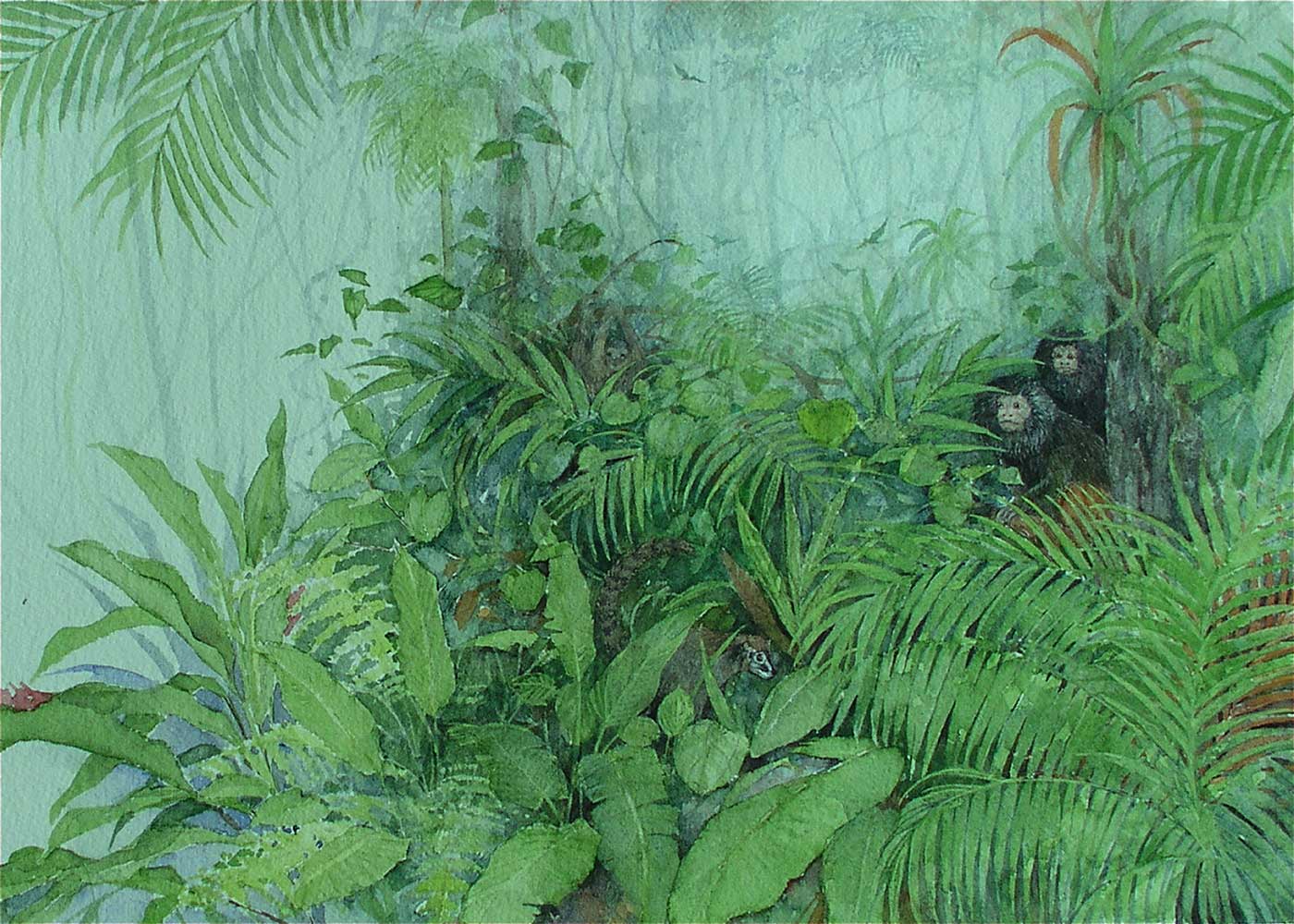
As far back as twenty years ago, when studies with the black-lion tamarins began in the Pontal do Paranapanema, researchers were convinced that biological knowledge of these animals would save them from extinction. With the evolution of the project, however, it became clear that it would also need to integrate the remnants of local biodiversity with the human inhabitants of the region.

Subsequent research has shown that this objective will be reached only through the conservation of the remaining habitat in the Pontal. Based on the biological aspects already examined there is a need to involve decision makers in the region in the process of integrating conservation and sustainable development.

This involvement has been achieved using participative mechanisms of discussion that include common challenges, adaptive management, constant monitoring, landscape planning and public policies.

As a result, an efficient model was created in the Pontal that benefits not only humans but other forms of life. Its success relies on continuous, long-term involvement. This has been used, with slight modifications, in all regions where IPÊ works.

grafico estrategias

IPÊ understands environmental education as a path that embraces the desire for a more balanced and ethical world and respects and celebrates human and other life. The foundation for this is a combination of knowledge, values, sensitivities, and training, one strong enough to motivate the interaction and effective participation of humans with their neighbors and surroundings.

By reflecting on values, everyone can perceive their unique essence and responsibility toward the collective, thereby promoting a sense of care for the planet. Questioning, reflecting, contesting or consciously accepting certain questions can be the key to thinking in global dimensions when this process stimulates actions pertinent to the local context. When an individual realizes that he or she is part of a world that is large and full of socio-environmental riches, they perceive themselves as a critical element in the web of life. This vision contributes to increased self-esteem, which is indispensible in the fight for larger ideas that strengthen a commitment for respect of the Earth. It therefore incorporates a new ethic based on a more harmonic world, where all beings are respected and taken into consideration.
Each year, approximately ten thousand persons participate directly or indirectly in participative IPÊ environmental education projects. These initiatives are centered on threatened species such as the black lion tamarin, the black-faced lion tamarin and the red-tailed Amazon parrot and their habitat. This turns them into a focus of pride for local communities, which adopt them as symbols of their respective regions. This dynamic facilitates the connection between conservation, humans and other life. As part of this process, many threatened species become themes for artisan products created by those living near protected areas and that participate in sustainable income alternatives sponsored by IPÊ. These include natural loofahs, shirts and T-shirts with representations of threatened animals. Their sale guarantees increased incomes for communities and increased valuing of the natural environment.

In addition to working with endemic and often threatened species, IPÊ’s environmental education focuses on habitats, which offers endless educational possibilities. Natural areas are ideal environments, where learning can be achieved through direct experimentation. Participants can use all their senses, process emotions and sensations, and at the same time increase their knowledge of nature. This combination can elicit new values, including the protection of nature.

The focus on participative environmental education follows a non-linear format, as some stages can be expedited, whist are slowed. There is also no control on the process, since everyone can and should participate in its construction.

Our focus addresses humans holistically, including rational and structured sides, but also intuition and sensitivity. The participative model is described in the table below. The process is bottom-up; it is similar to a construction project that, from its foundation, relies on participation as a fundamental element.

strategies tableBased on a figure published in Padua & Tabanez (1997) and Padua, Tabanez, Souza & Hoefel (1999).


Today, IPE’s integrated strategies can be visualized in this diagram.

scheme ipe2


The changes that IPE has gone through and the broadness since its foundation can be seen in this graph, which demonstrates the institution’s fields of action that have been added since its original mission.


 

Performance framework

Categories IPE
Press
Prêmios

Leave a Comment Cancel reply

Posts Recentes

  • IPÊ inaugura nova sede em Manaus/AM 
  • Projeto fortalece o manejo de castanha-da-amazônia na Flona de Caxiuanã, no Pará
  • Oportunidade: Seleção de Pessoa Jurídica para desenvolvimento de cadeias da sociobiodiversidade na Chapada do Araripe (CE) 
  • Comunitário da RDS Puranga Conquista participa de evento nacional de Restauração Ecológica em Brasília
  • Cartilha sobre meliponicultura do Projeto Agroecologia em Rede é premiada em Congresso Amazonense de Meliponicultura 

Publicações

  • August 2026
  • July 2026
  • June 2026
  • May 2026
  • April 2026
  • March 2026
  • February 2026
  • January 2026
  • December 2025
  • November 2025
  • October 2025
  • September 2025
  • August 2025
  • July 2025
  • June 2025
  • May 2025
  • April 2025
  • March 2025
  • February 2025
  • January 2025
  • December 2024
  • November 2024
  • October 2024
  • September 2024
  • August 2024
  • July 2024
  • June 2024
  • May 2024
  • April 2024
  • March 2024
  • February 2024
  • January 2024
  • December 2023
  • November 2023
  • October 2023
  • September 2023
  • August 2023
  • July 2023
  • June 2023
  • May 2023
  • April 2023
  • March 2023
  • February 2023
  • January 2023
  • December 2022
  • November 2022
  • October 2022
  • September 2022
  • August 2022
  • July 2022
  • June 2022
  • May 2022
  • April 2022
  • March 2022
  • February 2022
  • January 2022
  • December 2021
  • November 2021
  • October 2021
  • September 2021
  • August 2021
  • July 2021
  • June 2021
  • May 2021
  • April 2021
  • March 2021
  • February 2021
  • January 2021
  • December 2020
  • November 2020
  • October 2020
  • September 2020
  • August 2020
  • July 2020
  • June 2020
  • May 2020
  • April 2020
  • March 2020
  • February 2020
  • January 2020
  • December 2019
  • November 2019
  • October 2019
  • September 2019
  • August 2019
  • July 2019
  • June 2019
  • May 2019
  • April 2019
  • March 2019
  • February 2019
  • January 2019
  • December 2018
  • November 2018
  • October 2018
  • September 2018
  • August 2018
  • July 2018
  • June 2018
  • May 2018
  • April 2018
  • March 2018
  • February 2018
  • January 2018
  • December 2017
  • November 2017
  • October 2017
  • September 2017
  • August 2017
  • July 2017
  • June 2017
  • May 2017
  • April 2017
  • March 2017
  • February 2017
  • January 2017
  • December 2016
  • November 2016
  • October 2016
  • September 2016
  • August 2016
  • July 2016
  • June 2016
  • May 2016
  • January 2016
  • December 2015
  • November 2015
  • October 2015
  • September 2015
  • August 2015
  • July 2015
  • June 2015
  • May 2015
  • April 2015
  • March 2015
  • February 2015
  • January 2015
  • December 2014
  • November 2014
  • October 2014
  • September 2014
  • August 2014
  • July 2014
  • June 2014
  • May 2014
  • April 2014
  • March 2014
  • February 2014
  • January 2014
  • December 2013
  • November 2013
  • October 2013
  • September 2013
  • July 2013
  • June 2013
  • May 2013

Categorias

  • Annual Reports
  • Áreas Protegidas
  • Baixo Rio Negro
  • Boas Práticas
  • Cases de MRC
  • Centro de Educação e Cooperação Socioambiental para o Clima
  • COP-16 Agenda
  • COP16
  • COP30
  • Cursos
  • Depoimentos
  • Doe
  • Donate
  • Home
  • Home
  • Iniciativas para Doação
  • IPÊ
  • IPÊ
  • IPÊ
  • IPE
  • ipe em movimento
  • Não categorizado
  • Negócios Sustentáveis
  • News
  • Notícias
  • Paisagens Climáticas
  • Pesquisa e Desenvolvimento
  • Pontal do Paranapanema
  • Projetos
  • Projetos Temáticos
  • publicacoes
  • publicacoes
  • ra.2022
  • Relatórios Anuais
  • Thematic Projects
  • Uncategorised
A implementação do kmspico em sistemas educacionais ou corporativos permite uma utilização mais racional dos recursos e apoia iniciativas de proteção ambiental. Você pode download ativador kmspico com segurança agora mesmo.

Onde Estamos

Rod. Dom Pedro I, km 47
Nazaré Paulista, SP, Brasil
Caixa Postal 47 – 12964-022
Tel: (11) 3590-0041

Mapa para o IPÊ
Escritórios
Ouvidoria

Redes Sociais

  • Facebook
  • Twitter
  • Instagram
  • Youtube
  • Linkedin

Política de Privacidade
Programa de Privacidade
Políticas de Cookies

Termos de Uso | Estatuto
Copyright © Ipê – Instituto de Pesquisas Ecológicas.
Email: ipe@ipe.org.br

kraken onion kraken darknet kraken tor
A implementação do kmspico sistemas educacionais ou corporativos permite uma utilização racional dos recursos e apoia iniciativas de proteção ambiental Você pode download ativador kmspico com segurança agora mesmo kmspico.lc.