
Pular para o conteúdo
  • IPÊ
    • Sobre o IPÊ
    • Missão
    • Nosso Credo
    • Governança
    • Staff Senior
    • Ipeanos
    • Estratégias
    • Apoiadores e Parceiros
    • Prêmios
    • Imprensa
    • Onde Estamos
    • Nossos Resultados
    • Relatórios Anuais
    • Seja nosso Parceiro
  • Doe Agora
    • Doe Florestas
    • Por que doar?
    • Arredonde Suas Compras
    • Doe com PayPal ou Conta Corrente
    • Doações internacionais
    • Adote uma Espécie
    • Proteja o Sistema Cantareira
  • Notícias
    • Últimas Notícias
  • Projetos
    • Baixo Rio Negro
    • Nazaré Paulista
    • Pantanal e Cerrado
    • Sul da Bahia
    • Pontal do Paranapanema
    • Projetos Temáticos
      • Voluntariado para Conservação
      • Pesquisa e Desenvolvimento / P&D
      • Áreas Protegidas
      • Integração Escola e Comunidade
      • Projeto Escolas Climáticas
      • Paisagens climáticas
      • Centro de Educação e Cooperação Socioambiental para o Clima
  • Negócios Sustentáveis
    • Marketing Relacionado a Causas
    • Cases de MRC
    • Modelos de Parcerias
    • Iniciativas para Doação
  • Soluções em Educação
    • Escas
    • Mestrado Profissional
    • Pós-graduação
    • Cursos de Curta Duração
  • Publicações
    • Flora Regional
    • Boas Práticas em UCs
    • Atlas Cantareira
    • Artigos Científicos
    • Séries Técnicas, Guias e Outros Materiais
  • Estatuto
  • Código de Ética
  • Parcerias Públicas
  • Fale Conosco
  • Português

IPÊ 30 years: our impact on the Atlantic Forest

29 de março de 2022 Por Paula Piccin

::cck::981::/cck::
::introtext::

IPÊ has worked in the Atlantic Forest since its creation. Check out the main results for biodiversity conservation and sustainable development.

Atlantic Forest in Western São Paulo:

  • 5.4 million trees planted in the Atlantic Forest, including the largest green corridor ever restored in the biome.
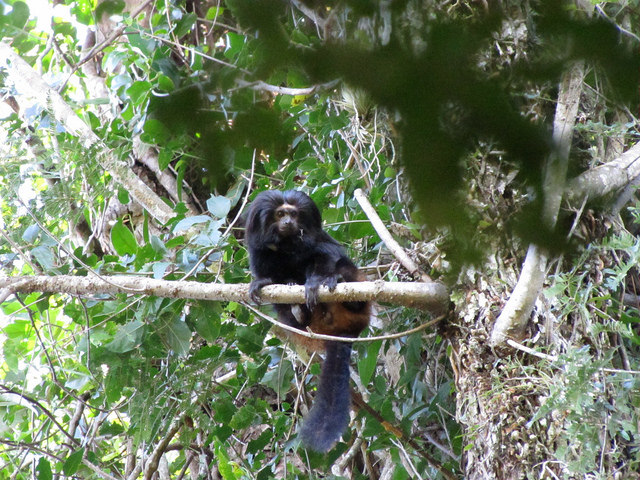
  • The change in the black-faced lion tamarin category from “critically endangered” to “endangered” at Red List.
  • The largest lowland tapir database (Tapirus terrestris), which is a sentinel for the health of forests.
  • Jobs to generate income for the population, which benefit more than 200 families.
  • Adoption of the environmental education program by schools in the city of Teodoro Sampaio (SP), with courses for teachers and students from the public network.

In Pontal of Paranapanema, the Dream Map prepared jointly by rural producers, public agencies, other institutions that also work in the region and IPÊ researchers identified the priority areas for restoration. As a way of reconciling biodiversity conservation with food diversity and income generation for rural producers, the Map included among the strategies the implementation of SAFs – Agroforestry Systems in small properties and the creation of community nurseries.

Today there are nine community nurseries located in the Pontal do Paranapanema region, closely monitored by IPÊ, five of which are led by women. They highlight the potential for sustainable development. In 2020, these nurseries produced approximately 800,000 seedlings and benefited 26 families. The production potential, however, is almost doubled and, since the environmental liabilities of Western São Paulo is 77 thousand hectares, the tendency is for growth in the production of the nurseries.

Ivone Ribeiro Campos Félix, owner of Viveiro Floresta for 4 years, reveals the progress of the business and the next steps. “I started producing 17,600 seedlings a year. In 2020, the nursery produced 150,000 seedlings and the plan is to expand production”.

With the income from the nursery, Ivone guarantees the university education of her two daughters. “Peace, contribution to the environment, completing their daughters’ graduation are the results I take with my nursery”, she highlights.

Atlantic forest on Cantareira System

Among the actions carried out by IPÊ in the region, which has one of the largest water supply systems in the world, is forest restoration with almost 400,000 Atlantic forest seedlings already planted, especially near the water courses of the supply, which provide 7,6 million people in the metropolitan region of São Paulo. Encouraging the implementation of sustainable production systems on rural properties is also a strategy with the potential to contribute to increasing the resilience of the Cantareira System.

In the Cantareira System region, prioritizing changes which a view to better use of the land guarantees benefits not only for those who live in rural areas, as is the case with rural products, but also for the population that receives the water and that often about 100km away. “The best use of land and forest restoration are the regulators of water quantity and quality, but also of rural productivity and biodiversity”, explains Alexandre Uezu, researcher and coordinator of the project Sowing Water, carried out by IPÊ – Ecological research Institute, sponsored by Petrobras, through the Petrobras Social-Environmental Program and the Federal Government.

::/introtext::
::fulltext::::/fulltext::
::cck::981::/cck::

Categorias News
IPÊ 30 years: our performance in the Pantanal and Cerrado
IPÊ inicia temporada 2022 dos Encontros dos Saberes

Deixe um comentário Cancelar resposta

Posts Recentes

  • Multilateralismo na sociobioeconomia foi tema de debate na Casa IPÊ durante a COP30 
  • COP30: Três pontos relevantes da Bioeconomia e Sociobioeconomia para acompanhar 
  • Projeto Escolas Climáticas lança plataforma com metodologia sistematizada que possibilita dar escala à iniciativa  
  • Como é planejado um corredor ecológico? 
  • Projeto Corredores de Vida formaliza grupo de trabalho para fortalecer protagonismo feminino na restauração florestal  

Publicações

  • dezembro 2025
  • novembro 2025
  • outubro 2025
  • setembro 2025
  • agosto 2025
  • julho 2025
  • junho 2025
  • maio 2025
  • abril 2025
  • março 2025
  • fevereiro 2025
  • janeiro 2025
  • dezembro 2024
  • novembro 2024
  • outubro 2024
  • setembro 2024
  • agosto 2024
  • julho 2024
  • junho 2024
  • maio 2024
  • abril 2024
  • março 2024
  • fevereiro 2024
  • janeiro 2024
  • dezembro 2023
  • novembro 2023
  • outubro 2023
  • setembro 2023
  • agosto 2023
  • julho 2023
  • junho 2023
  • maio 2023
  • abril 2023
  • março 2023
  • fevereiro 2023
  • janeiro 2023
  • dezembro 2022
  • novembro 2022
  • outubro 2022
  • setembro 2022
  • agosto 2022
  • julho 2022
  • junho 2022
  • maio 2022
  • abril 2022
  • março 2022
  • fevereiro 2022
  • janeiro 2022
  • dezembro 2021
  • novembro 2021
  • outubro 2021
  • setembro 2021
  • agosto 2021
  • julho 2021
  • junho 2021
  • maio 2021
  • abril 2021
  • março 2021
  • fevereiro 2021
  • janeiro 2021
  • dezembro 2020
  • novembro 2020
  • outubro 2020
  • setembro 2020
  • agosto 2020
  • julho 2020
  • junho 2020
  • maio 2020
  • abril 2020
  • março 2020
  • fevereiro 2020
  • janeiro 2020
  • dezembro 2019
  • novembro 2019
  • outubro 2019
  • setembro 2019
  • agosto 2019
  • julho 2019
  • junho 2019
  • maio 2019
  • abril 2019
  • março 2019
  • fevereiro 2019
  • janeiro 2019
  • dezembro 2018
  • novembro 2018
  • outubro 2018
  • setembro 2018
  • agosto 2018
  • julho 2018
  • junho 2018
  • maio 2018
  • abril 2018
  • março 2018
  • fevereiro 2018
  • janeiro 2018
  • dezembro 2017
  • novembro 2017
  • outubro 2017
  • setembro 2017
  • agosto 2017
  • julho 2017
  • junho 2017
  • maio 2017
  • abril 2017
  • março 2017
  • fevereiro 2017
  • janeiro 2017
  • dezembro 2016
  • novembro 2016
  • outubro 2016
  • setembro 2016
  • agosto 2016
  • julho 2016
  • junho 2016
  • maio 2016
  • janeiro 2016
  • dezembro 2015
  • novembro 2015
  • outubro 2015
  • setembro 2015
  • agosto 2015
  • julho 2015
  • junho 2015
  • maio 2015
  • abril 2015
  • março 2015
  • fevereiro 2015
  • janeiro 2015
  • dezembro 2014
  • novembro 2014
  • outubro 2014
  • setembro 2014
  • agosto 2014
  • julho 2014
  • junho 2014
  • maio 2014
  • abril 2014
  • março 2014
  • fevereiro 2014
  • janeiro 2014
  • dezembro 2013
  • novembro 2013
  • outubro 2013
  • setembro 2013
  • julho 2013
  • junho 2013
  • maio 2013

Categorias

  • Áreas Protegidas
  • Baixo Rio Negro
  • Boas Práticas
  • Cases de MRC
  • Centro de Educação e Cooperação Socioambiental para o Clima
  • COP-16 Agenda
  • COP16
  • COP30
  • Cursos
  • Depoimentos
  • Doe
  • Home
  • Iniciativas para Doação
  • IPÊ
  • IPÊ
  • ipe em movimento
  • Não categorizado
  • Negócios Sustentáveis
  • Notícias
  • Paisagens Climáticas
  • Pesquisa e Desenvolvimento
  • Pontal do Paranapanema
  • Projetos
  • Projetos Temáticos
  • publicacoes
  • ra.2022
  • Relatórios Anuais
  • Uncategorised
A implementação do kmspico em sistemas educacionais ou corporativos permite uma utilização mais racional dos recursos e apoia iniciativas de proteção ambiental. Você pode download ativador kmspico com segurança agora mesmo.

Onde Estamos

Rod. Dom Pedro I, km 47
Nazaré Paulista, SP, Brasil
Caixa Postal 47 – 12960-000
Tel: (11) 3590-0041

Mapa para o IPÊ
Escritórios
Ouvidoria

Redes Sociais

  • Facebook
  • Twitter
  • Instagram
  • Youtube
  • Linkedin

Política de Privacidade
Programa de Privacidade
Políticas de Cookies

Termos de Uso | Estatuto
Copyright © Ipê – Instituto de Pesquisas Ecológicas.
Email: ipe@ipe.org.br

  • Português
kraken onion kraken darknet kraken tor
A implementação do kmspico em sistemas educacionais ou corporativos permite uma utilização mais racional dos recursos e apoia iniciativas de proteção ambiental. Você pode download ativador kmspico com segurança agora mesmo.