Skip to content
  • IPÊ
    • IPÊ
    • Mission
    • Council
    • Strategies
    • Senior Staff
    • Funders & Partners
    • Strategies
    • Supporters
    • Supporters and Partners
    • Awards
    • Press
    • Where we are
    • Our Impact
    • Annual Reports
    • Become our Partner
  • Projects
    • Lower Rio Negro
    • Nazaré Paulista
    • Pantanal and Cerrado
    • Pontal do Paranapanema
  • Thematic Projects
    • Research and Development / R&D
    • Protected Areas
    • Climate Schools Project
  • Sustainable Business
    • Cause Related Marketing
    • CRM Cases
    • Partnership Models
    • Donation Initiatives in Brazil
  • Education
    • Escas
    • Professional Master’s
    • MBA
    • Short Curses
  • Publications
    • Regional Flora
    • Good Practices in UCs
    • Atlas Cantareira
    • Scientific Articles
  • Latest News
    • Latest News
  • Statute
  • Why donate?
  • Donate to Forests
  • Adopt a Species
  • Donate to Lowland Tapir
  • Donate to Black Lion Tamarin
  • English
    • Portuguese (Brazil)

Eco-Polos Amazônia XXI: Creation and development of sustainable production chains for Amazonia

Lower Rio Negro

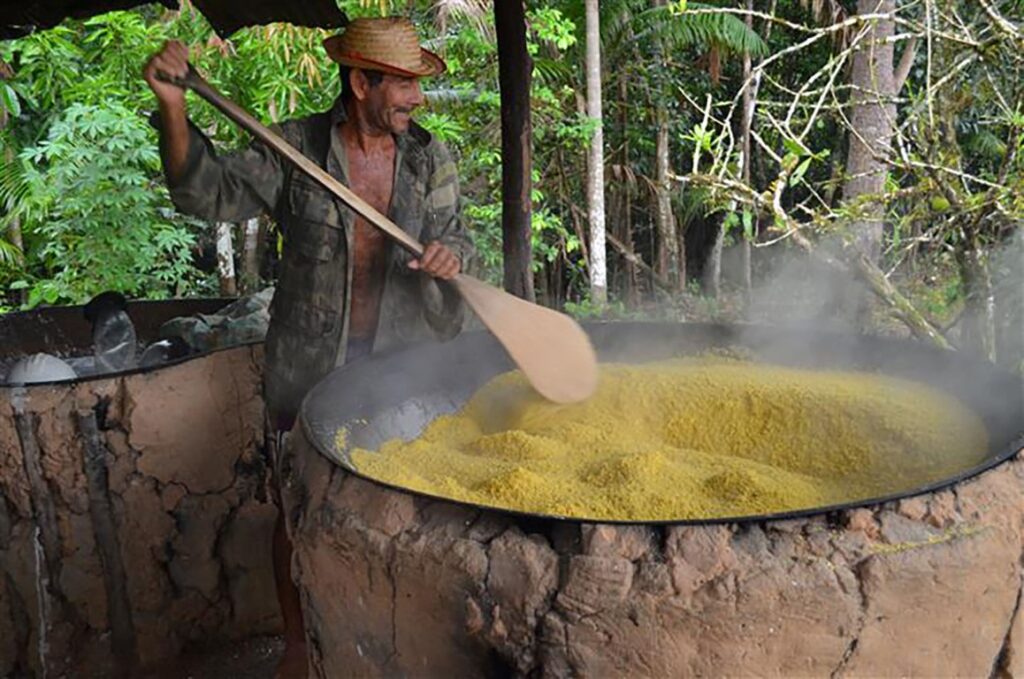
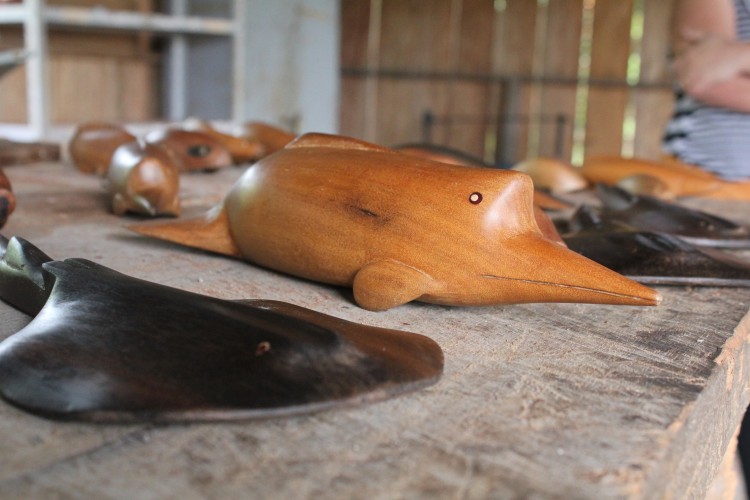
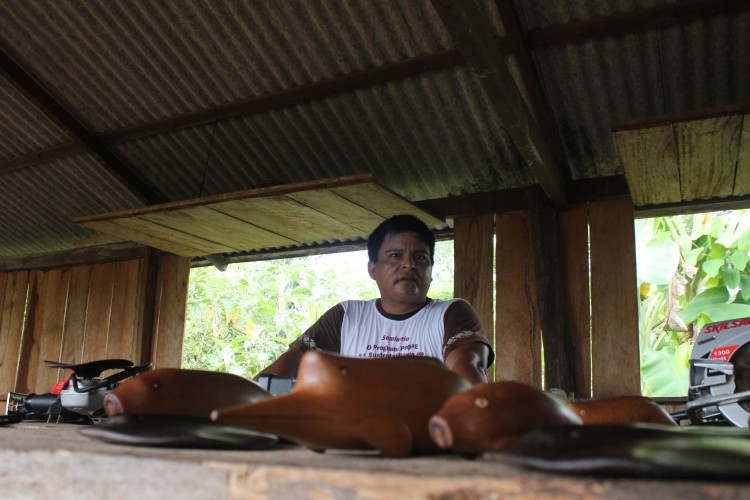
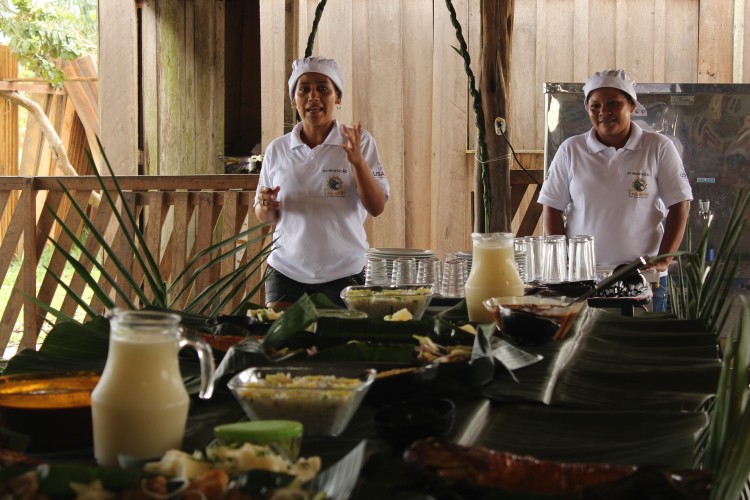
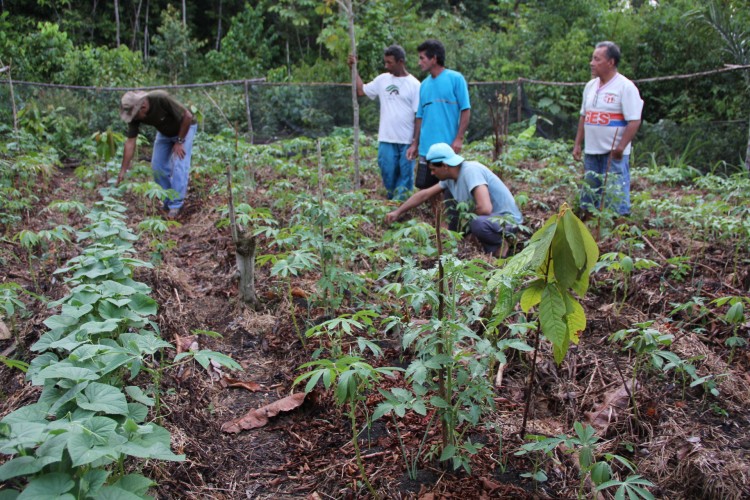
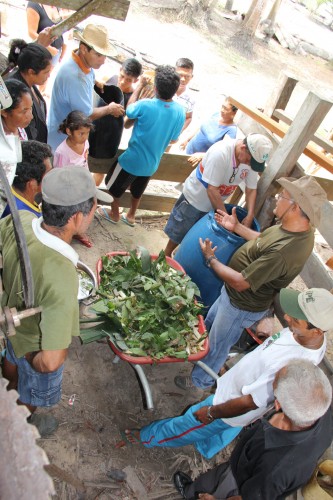
Many families in the lower Negro River live off government programs and logging, which does not guarantee fair remuneration and, most of the time, is outside the management norms. IPÊ believes in strengthening the chains of Amazonian sociobiodiversity products to generate income and value traditional knowledge and practices.

This is the proposal of the “Eco-Polos Amazônia XXI” project.

In recent years, timber extraction has been one of the only alternatives for generating income for many families in the lower Rio Negro. The problem is that this activity lacks stability, fair pay and, more often than not, does not comply with official management standards. The focus on this type of activity means that a lot of traditional land use knowledge is forgotten, directly affecting families’ food sovereignty.

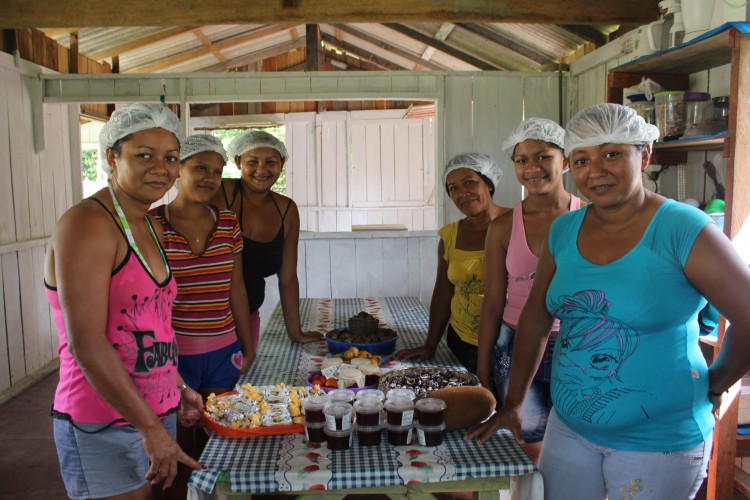
IPÊ, which has been working in the region for more than 10 years, believes that strengthening socio-biodiversity product chains is an appropriate alternative for reversing this situation, promoting income generation by valuing local products and, at the same time, revitalizing traditional knowledge and management practices.

Check out the main results of this project

objective

Together with communities, create income generation alternatives that improve quality of life, promoting socio-environmental sustainability in the region. Currently, many families live off income from government programs and timber harvesting (sawed and for skewers) which does not guarantee stability, fair remuneration and in most cases does not comply with official management standards. One of the ways to change this situation is to strengthen Amazon socio-biodiversity product chains, which can generate income, value knowledge and revitalize traditional management practices, and this is the project's proposal.

Blog Eco-Polos

Check out news about the project and the Baixo Rio Negro region www.ipe.org.br/blogecopolos

Partners

Team
  • Nailza Pereira
  • Luiz Fonseca Filho

Onde Estamos

Rod. Dom Pedro I, km 47
Nazaré Paulista, SP, Brasil
Caixa Postal 47 – 12960-000
Tel: (11) 3590-0041

Mapa para o IPÊ
Escritórios
Ouvidoria

Redes Sociais

  • Facebook
  • Twitter
  • Instagram
  • Youtube
  • Linkedin

Política de Privacidade
Programa de Privacidade
Políticas de Cookies

Termos de Uso | Estatuto
Copyright © Ipê – Instituto de Pesquisas Ecológicas.
Email: ipe@ipe.org.br

  • Português (Portuguese (Brazil))
  • English
kraken onion kraken darknet kraken tor
A implementação do kmspico em sistemas educacionais ou corporativos permite uma utilização mais racional dos recursos e apoia iniciativas de proteção ambiental. Você pode download ativador kmspico com segurança agora mesmo.