Skip to content
  • IPÊ
    • IPÊ
    • Mission
    • Council
    • Strategies
    • Senior Staff
    • Funders & Partners
    • Strategies
    • Supporters
    • Supporters and Partners
    • Awards
    • Press
    • Where we are
    • Our Impact
    • Annual Reports
    • Become our Partner
  • Projects
    • Lower Rio Negro
    • Nazaré Paulista
    • Pantanal and Cerrado
    • Pontal do Paranapanema
  • Thematic Projects
    • Research and Development / R&D
    • Protected Areas
    • Climate Schools Project
  • Sustainable Business
    • Cause Related Marketing
    • CRM Cases
    • Partnership Models
    • Donation Initiatives in Brazil
  • Education
    • Escas
    • Professional Master’s
    • MBA
    • Short Curses
  • Publications
    • Regional Flora
    • Good Practices in UCs
    • Atlas Cantareira
    • Scientific Articles
  • Latest News
    • Latest News
  • Statute
  • Why donate?
  • Donate to Forests
  • Adopt a Species
  • Donate to Lowland Tapir
  • Donate to Black Lion Tamarin
  • English
    • Portuguese (Brazil)

Conservation of the Black Lion Tamarin

Pontal do Paranapanema

The Black Lion Tamarin Conservation Program was the seed for the creation of IPÊ. The conservation efforts began back in 1984, when Claudio Valladares Padua decided to completely change his life to dedicate himself to the conservation of this rare species, which was once considered extinct from the wild, but was rediscovered in the 1970s.

Learn more about this story.

The research and combined actions of environmental education and forest restoration have already had very positive effects for the species, such as changing its category of threat and supporting the creation of Conservation Units.

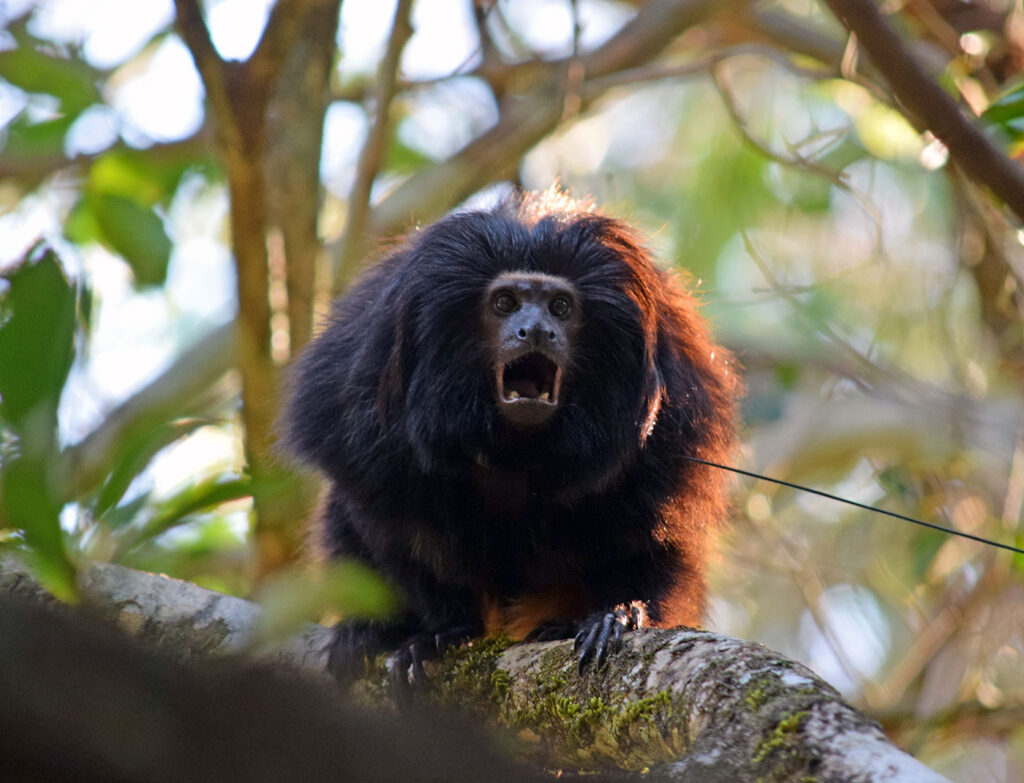
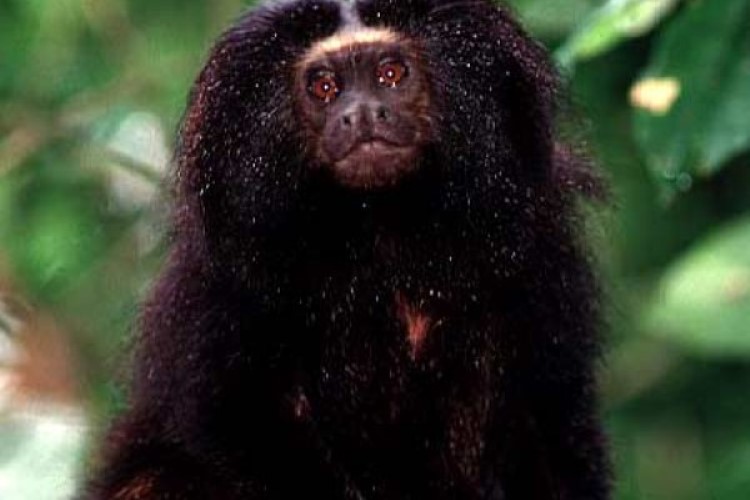
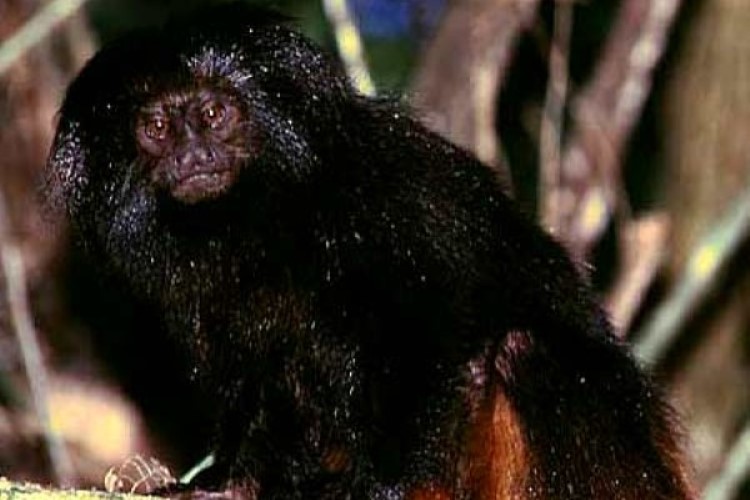
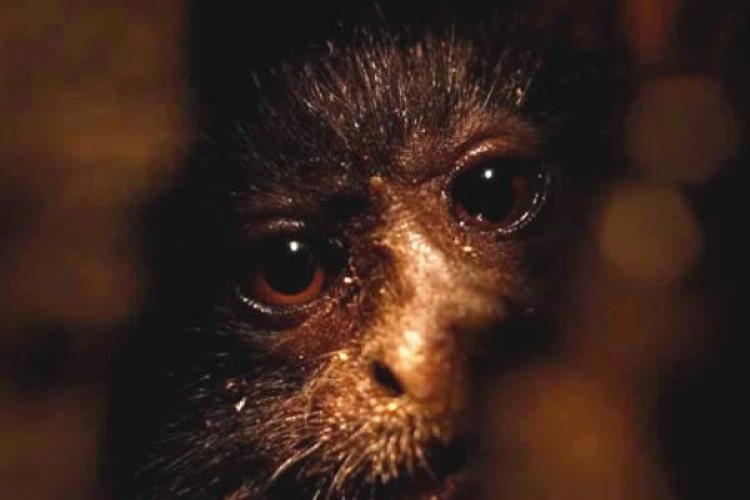
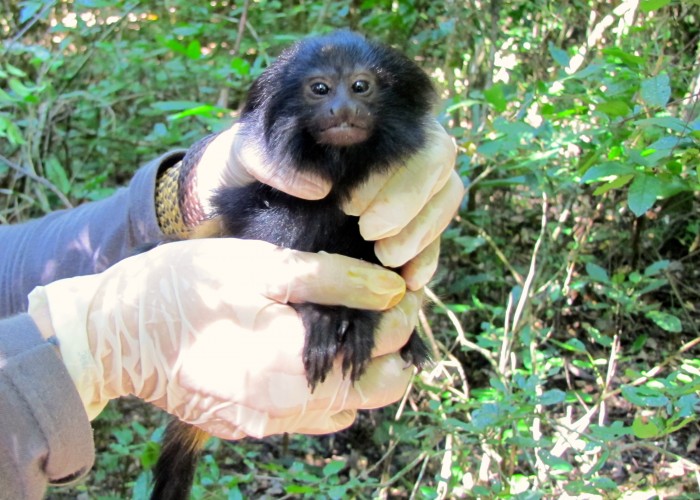
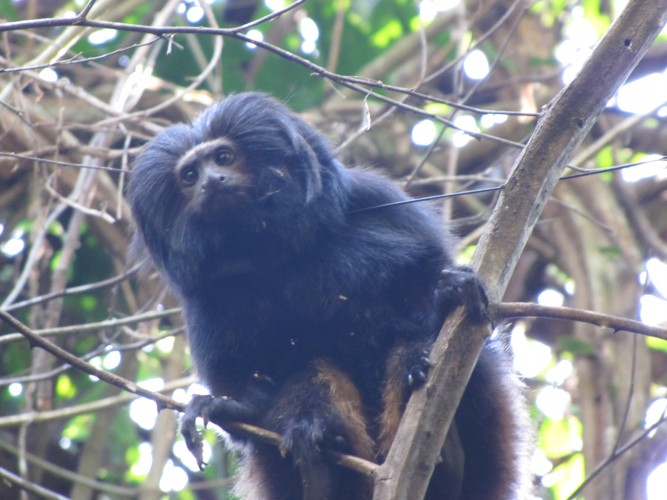
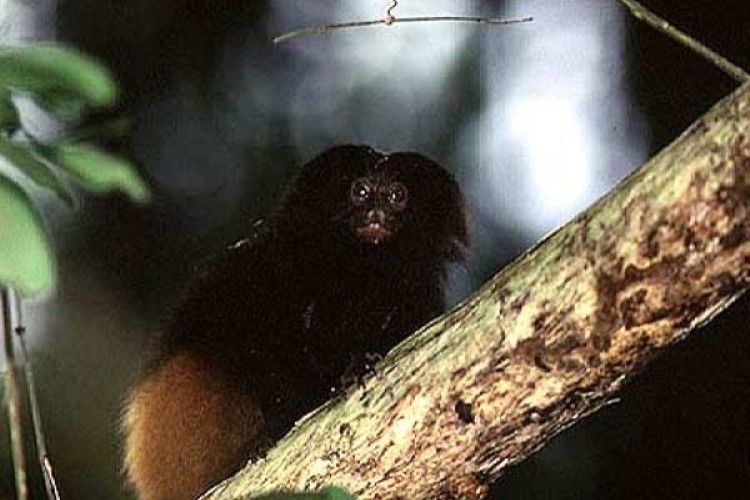
The Black Lion Tamarin, scientifically called Leontopithecus chrysopygus, is one of the rarest and most endangered primate species in the world. Endemic to the Atlantic Rainforest in the interior of the state of São Paulo, it was considered extinct from the wild for many years and, even today, its situation is serious as the species was listed in the Red Data Book (IUCN) as critically endangered. Today, due to the efforts of IPÊ’s Black Lion Tamarin project, this tamarin is listed in a more hopeful category. The biggest threat to the conservation of the black lion tamarin is the fragmentation of forests, which causes the isolation and decline of the remaining populations and the consequent degradation of their habitat.

The Black Lion Tamarin Conservation Program involves not only the conservation of tamarins, but also of the entire ecosystem in which they occur. The idea is to use the species as a symbol or “umbrella” for the conservation of priority forest areas. The aim is to recover degraded areas and/or create corridors that connect forest fragments where marmoset families are isolated.

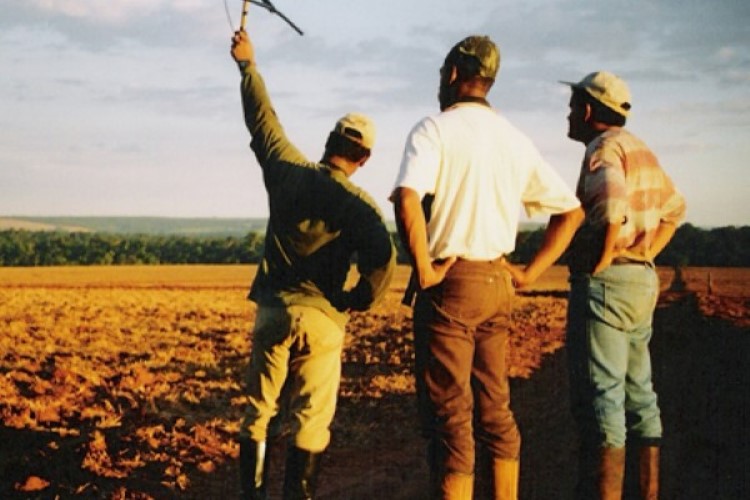
Many of these actions depend on a well-designed environmental education program, which conveys scientific knowledge in an accessible way and makes the public aware of the importance of conserving these primates. Finally, the project has been looking for sustainable development alternatives that can enhance local nature and generate income, contributing to the effective improvement of the lives of local communities and winning allies for conservation.

During the years of studies with the species, we can list the following results:

  • Knowledge of the species’ biology/ecology throughout its range;
  • Discovery of new subpopulations and new priority areas for the species;
  • Update of the species’ population estimate, with a 50% increase in the known population size;
  • Influence on specific public policies for the conservation of the species, which contributed to the creation of a Federal Conservation Unit (Black Lion Tamarin Ecological Station);
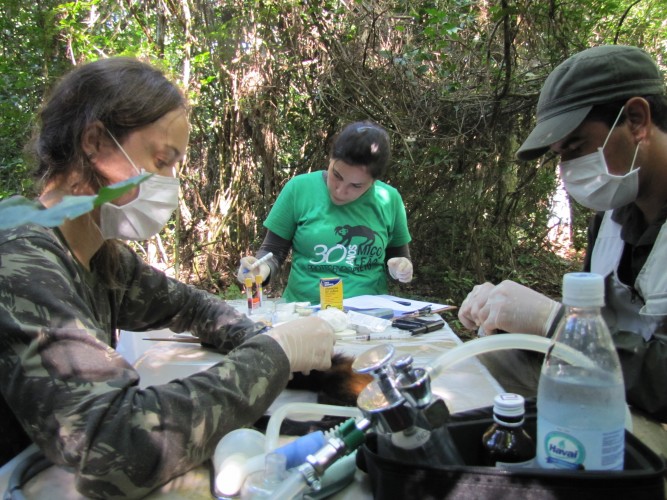
  • Specific studies of management techniques for the species (translocation, reintroduction and dispersal);
  • Environmental education actions and community involvement in five municipalities in the species’ area of occurrence, reaching different audiences (students, teachers, principals, rural and urban communities);
  • Hundreds of students trained;
  • More than ten theses (master’s and doctoral) produced with the research data;

YOU CAN HELP THIS WORK! DONATE NOW FOR THE CONSERVATION OF THE BLACK LION TAMARIN
   

Detailed project objectives

Manejo de Metapopulação

  1. Monitorar as populações selvagens de mico-leão-preto conhecidas;
  2. Analisar a viabilidade de subpopulações isoladas e do estado da conservação de fragmentos florestais com ocorrência do Mico-Leão-Preto;
  3. Manejo genético e demográfico de pequenas populações isoladas através de formação de grupos novos e translocações para florestas protegidas;
  4. Estudos ecológicos sobre os recursos chaves essenciais para a sobrevivência dos micos
  5. Estudos de reprodução da espécie em cativeiro e em vida-livre;
  6. Novos experimentos de técnicas de manejo conservacionista.

Educação Ambiental e Envolvimento Comunitário

  1. Atividades com escolas;
  2. Atividades em eventos de celebração com comunidades urbanas e rurais;
  3. Atividades específicas para gêneros;
  4. Projetos de geração de renda alternativa;
  5. Capacitação de comunidades e estudantes/profissionais.

Restauração de Habitat 

  1. Seleção e mapeamento de regiões prioritárias à conservação da espécie;
  2. Projetos de capacitação em comunidades rurais;
  3. Projetos de restauração de habitat (corredores) com comunidades rurais e urbanas;
  4. Monitoramento das áreas restauradas.

Outras atividades

  1. Análise de dados e produção de relatórios e artigos científicos;
  2. Captação de recursos.
Teams
  • Gabriela Cabral Rezende, M.Sc. Coordenadora - contato: gabriela@ipe.org.br
  • Leonardo Henrique da Silva. Coordenador de campo.
  • José Wilson Alves. Assistente de campo.
  • André Pereira de Albuquerque. Assistente de campo.
Funders
  • Whitley Fund for Nature - Continuation Funding Spring 2014
  • Ecosystem Alliance
  • Durrell Wildlife Conservation Trust - Durrell Conservation Academy Award
  • Idea Wild
  • Margot Marsh Biodiversity Foundation / Conservation International (CI)
  • Disney Worldwide Conservation Fund
  • Mohamed bin Zayed Species Conservation Fund
  • Lion Tamarins of Brazil Fund
Support
  • Centro Nacional de Pesquisas e Conservação de Primatas Brasileiros - CPB/ICMBio
  • Fundação Florestal do Estado de São Paulo - Parque Estadual Morro do Diabo
  • ICMBio - Estação Ecológica Mico-leão-preto e Floresta Nacional de Capão Bonito
  • Secretaria do Meio Ambiente do Estado de São Paulo
  • SISBio/IBAMA - Sistema de Autorização e Informação em Biodiversidade
  • IUCN/SSC Primate Specialist Group
  • Fundação Parque Zoológico de São Paulo
  • COTEC/IF - Comissão Técnico-Científica do Instituto Florestal
  • Parque Zoológico Municipal Quinzinho de Barros - Sorocaba/SP

Onde Estamos

Rod. Dom Pedro I, km 47
Nazaré Paulista, SP, Brasil
Caixa Postal 47 – 12960-000
Tel: (11) 3590-0041

Mapa para o IPÊ
Escritórios
Ouvidoria

Redes Sociais

  • Facebook
  • Twitter
  • Instagram
  • Youtube
  • Linkedin

Política de Privacidade
Programa de Privacidade
Políticas de Cookies

Termos de Uso | Estatuto
Copyright © Ipê – Instituto de Pesquisas Ecológicas.
Email: ipe@ipe.org.br

  • Português (Portuguese (Brazil))
  • English
kraken onion kraken darknet kraken tor
A implementação do kmspico em sistemas educacionais ou corporativos permite uma utilização mais racional dos recursos e apoia iniciativas de proteção ambiental. Você pode download ativador kmspico com segurança agora mesmo.