Skip to content
  • IPÊ
    • IPÊ
    • Mission
    • Council
    • Strategies
    • Senior Staff
    • Funders & Partners
    • Strategies
    • Supporters
    • Supporters and Partners
    • Awards
    • Press
    • Where we are
    • Our Impact
    • Annual Reports
    • Become our Partner
  • Projects
    • Lower Rio Negro
    • Nazaré Paulista
    • Pantanal and Cerrado
    • Pontal do Paranapanema
  • Thematic Projects
    • Research and Development / R&D
    • Protected Areas
    • Climate Schools Project
  • Sustainable Business
    • Cause Related Marketing
    • CRM Cases
    • Partnership Models
    • Donation Initiatives in Brazil
  • Education
    • Escas
    • Professional Master’s
    • MBA
    • Short Curses
  • Publications
    • Technical Series, Guides and Other Materials
    • Regional Flora
    • Good Practices in UCs
    • Atlas Cantareira
    • Scientific Articles
  • Latest News
    • Latest News
  • Statute
  • Why donate?
  • Donate to Forests
  • Adopt a Species
  • Donate to Lowland Tapir
  • Donate to Black Lion Tamarin
  • English
    • Portuguese (Brazil)

News

SUPPORTERS 2021

17 de December de 2021 by Paula Piccin

::cck::1112::/cck::<br />::introtext::<p><b>PARTNERS<br /></b><span data-contrast=”auto” style=”background-color: inherit; color: inherit; font-family: inherit; font-size: 1rem; caret-color: auto;”></span></p>
<p><span data-contrast=”auto” style=”background-color: inherit; color: inherit; font-family: inherit; font-size: 1rem; caret-color: auto;”>Ação Ecológica Guaporé – ECOPORÉ (Brasil)</span><span style=”background-color: inherit; color: inherit; font-family: inherit; font-size: 1rem; caret-color: auto;”>&nbsp;<br /></span><span data-contrast=”auto”>AgroPalma Inc. (Brasil)</span><span data-contrast=”auto”>&nbsp;&nbsp;&nbsp;&nbsp;&nbsp;&nbsp;&nbsp;&nbsp;&nbsp;&nbsp;&nbsp;&nbsp;&nbsp;&nbsp;&nbsp;&nbsp;</span>&nbsp;<br /><span data-contrast=”auto”>Alpargatas S. A – Havaianas (Brasil)</span>&nbsp;<br /><span data-contrast=”auto”>Animale – Grupo Soma (Brasil)</span>&nbsp;<br /><span data-contrast=”auto”>ASSC – Associação dos Seringueiros do Seringal Cazumbá (Brasil)</span>&nbsp;<br /><span data-contrast=”auto”>Associação de Defesa Etnoambiental Kanindé (Brasil)</span>&nbsp;<br /><span data-contrast=”auto”>Associação dos Moradores da Reserva Extrativista Mapuá – AMOREMA (Brasil)</span>&nbsp;<br /><span data-contrast=”auto”>Associação para Conservação da Vida Silvestre – WCS Brasil (Brasil)</span>&nbsp;<br /><span data-contrast=”auto”>Associação SOS Amazônia (Brasil)</span>&nbsp;<br /><span data-contrast=”auto”>Association of Zoos and Aquariums (AZA) Tapir Taxon Advisory Group (TAG)&nbsp;</span>&nbsp;<br /><a href=”https://atibaiaeregiao.com.br/”><span data-contrast=”auto”><span data-ccp-charstyle=”Hyperlink”>Atibaia e Região | Convention &amp; Visitors Bureau</span></span></a><span data-contrast=”auto”>&nbsp;(Brasil)</span>&nbsp;<br /><span data-contrast=”auto”>Atvos (Brasil)</span>&nbsp;<br /><span data-contrast=”auto”>Biofílica Ambipar (Brasil)</span>&nbsp;<br /><span data-contrast=”auto”>Cantão (Brasil)</span>&nbsp;<br /><span data-contrast=”auto”>CART – Concessionária Auto Raposo Tavares (Brasil)</span>&nbsp;<br /><span data-contrast=”auto”>Centro de Empreendedorismo Social e Administração em Terceiro Setor -&nbsp;</span><span data-contrast=”auto”>CEATS/USP (Brasil)</span>&nbsp;<br /><span data-contrast=”auto”>CETESB – Companhia Ambiental do Estado de São Paulo (Brasil)</span>&nbsp;<br /><span data-contrast=”none”>Cooperação Alemã para o Desenvolvimento Sustentável – GIZ (Alemanha)</span>&nbsp;<br /><span data-contrast=”auto”>Danone (Brasil)</span>&nbsp;<br /><span data-contrast=”auto”>Durrell Willife Conservation Trust (Inglaterra)</span>&nbsp;<br /><span data-contrast=”auto”>ECOSIA (Bélgica)</span>&nbsp;<br /><span data-contrast=”auto”>Ecoswim – Poli-USP (Brasil)</span>&nbsp;<br /><span data-contrast=”auto”>Editora MOL (Brasil)</span>&nbsp;<br /><span data-contrast=”auto”>EDP – Energias do Brasil (Brasil)</span>&nbsp;<br /><span data-contrast=”auto”>Egencia/Expedia (EUA)</span>&nbsp;<br /><span data-contrast=”auto”>ELTI – Environmental Leadership Training Initiative / Yale University (EUA)</span>&nbsp;<br /><span data-contrast=”auto”>EMBRAPA Rondônia (Brasil)</span>&nbsp;<br /><span data-contrast=”auto”>ENTREVIAS (Brasil)</span>&nbsp;<br /><span data-contrast=”auto”>E-Trip / Tour House (Brasil)</span>&nbsp;<br /><span data-contrast=”auto”>European Association of Zoos &amp; Aquaria – EAZA / Tapir Taxon Advisory Group – TAG (Internacional)&nbsp;&nbsp;</span>&nbsp;<br /><span data-contrast=”auto”>Everest Fundraising (Brasil)</span>&nbsp;<br /><span data-contrast=”auto”>Fazenda Rosanela, Teodoro Sampaio – São Paulo (Brasil)</span>&nbsp;<br /><span data-contrast=”auto”>Fazenda Gordura, Guaranesia – Minas Gerais (Brasil)</span>&nbsp;<br /><span data-contrast=”auto”>Floresta Viva (Brasil)</span>&nbsp;<br /><span data-contrast=”auto”>Florida University (Brasil)</span>&nbsp;<br /><span data-contrast=”auto”>Fondation Segré (Suíça)&nbsp;&nbsp;</span>&nbsp;<br /><span data-contrast=”auto”>Free Helper (Brasil)</span>&nbsp;<br /><span data-contrast=”auto”>Fundação de Estudos Agrários Luiz de Queiroz</span><span data-contrast=”auto”>&nbsp;- FEALQ (Brasil)</span>&nbsp;<br /><span data-contrast=”auto”>Fundação Florestal (Brasil)</span>&nbsp;<br /><span data-contrast=”auto”>Fundação Getúlio Vargas (Brasil)</span>&nbsp;<br /><span data-contrast=”auto”>Fundação ITESP (Brasil)</span>&nbsp;<br /><span data-contrast=”auto”>Fundação Vitória Amazônica – FVA (Brasil)</span>&nbsp;<br /><span data-contrast=”auto”>Future for Nature Foundation (Holanda)</span>&nbsp;<br /><span data-contrast=”auto”>Grupo Martins (Brasil)</span>&nbsp;<br /><span data-contrast=”auto”>Grupo Tour House Brasil / E-Trip (Brasil)</span>&nbsp;<br /><span data-contrast=”auto”>Hotel Fazenda Baía das Pedras, Pantanal (Brasil)</span>&nbsp;<br /><span data-contrast=”auto”>Houston Zoo (EUA)</span>&nbsp;<br /><span data-contrast=”auto”>Instituto Biológico de São Paulo (Brasil)</span>&nbsp;<br /><span data-contrast=”auto”>Idea Wild (EUA)</span>&nbsp;<br /><span data-contrast=”auto”>IMAZON – Instituto do Homem e Meio Ambiente da Amazônia (Brasil)</span>&nbsp;<br /><span data-contrast=”auto”>Instituto Arapyaú (Brasil)</span>&nbsp;<br /><span data-contrast=”auto”>Instituto Brasileiro do Meio Ambiente e dos Recursos Naturais Renováveis/IBAMA (Brasil)</span>&nbsp;<br /><span data-contrast=”auto”>Instituto Chico Mendes de Conservação da Biodiversidade/ICMBIO (Brasil)</span>&nbsp;&nbsp;<br /><span data-contrast=”auto”>Instituto Chico Mendes de Conservação da Biodiversidade/ICMBIO, NGI Carajás (Brasil)</span>&nbsp;<br /><span data-contrast=”auto”>Instituto C&amp;A (Brasil)</span>&nbsp;<br /><span data-contrast=”auto”>Instituto de Conservação de Animais Silvestres – ICAS (Brasil)</span>&nbsp;<br /><span data-contrast=”auto”>Instituto de Conservação e Desenvolvimento Sustentável da Amazônia – IDESAM (Brasil)</span>&nbsp;<br /><span data-contrast=”auto”>Instituto de Desenvolvimento Florestal e da Biodiversidade do Estado do Pará – IDEFLOR-Bio (Brasil)</span>&nbsp;<br /><span data-contrast=”auto”>Instituto de Pesquisas Amazônicas – IPAM (Brasil)&nbsp;</span>&nbsp;<br /><span data-contrast=”auto”>I</span><span data-contrast=”auto”>nstituto Internacional de Educação do Brasil – IEB (Brasil)</span>&nbsp;<br /><span data-contrast=”auto”>Instituto Kabu (Brasil)</span>&nbsp;<br /><span data-contrast=”auto”>Instituto Mapinguari (Brasil)</span>&nbsp;<br /><span data-contrast=”auto”>Instituto Mãe Terra (Brasil)</span>&nbsp;<br /><span data-contrast=”auto”>Instituto Nacional de Colonização e Reforma Agrária – Incra (Brasil)</span>&nbsp;<br /><span data-contrast=”auto”>Instituto Socioambiental – ISA (Brasil)</span>&nbsp;<br /><span data-contrast=”auto”>IUCN SSC Conservation Planning Specialist Group (CPSG Global)</span>&nbsp;<br /><span data-contrast=”none”>IUCN SSC Conservation Planning Specialist Group (CPSG Brasil)&nbsp;</span>&nbsp;&nbsp;<br /><span data-contrast=”auto”>IUCN SSC Tapir Specialist Group – TSG (Internacional)&nbsp;</span>&nbsp;<br /><span data-contrast=”auto”>IUCN SSC Primate Specialist Group – PSG (Internacional)</span>&nbsp;<br /><span data-contrast=”auto”>KM Solidário (Brasil)</span>&nbsp;<br /><span data-contrast=”auto”>Laboratório de Primatologia (LaP) – Universidade Estadual Paulista/UNESP-Rio Claro (Brasil)</span>&nbsp;<br /><span data-contrast=”auto”>Laboratório de Movimentação Animal (Swansea Lab for Animal Movement) – Universidade de Swansea (Reino Unido)</span>&nbsp;<br /><span data-contrast=”auto”>Laboratório de Biodiversidade Molecular e Conservação (LabBMC) – Universidade Federal de São Carlos/UFSCar – São Carlos (Brasil)</span>&nbsp;<br /><span data-contrast=”auto”>LinkedIn (EUA e Brasil)</span>&nbsp;<br /><span data-contrast=”auto”>Livelihoods Fund for Family Farming (Europa)&nbsp;</span>&nbsp;<br /><span data-contrast=”auto”>Ludwig-Maximilians University of Munich (Alemanha)</span>&nbsp;<br /><span data-contrast=”auto”>Midia Sustentável (Brasil)</span>&nbsp;<br /><span data-contrast=”auto”>Ministério do Meio Ambiente – MMA (Brasil)</span>&nbsp;<br /><span data-contrast=”auto”>Ministério Público do Mato Grosso do Sul (Brasil)</span>&nbsp;<br /><span data-contrast=”auto”>Moovies Produtora (Brasil)</span>&nbsp;<br /><span data-contrast=”auto”>Movimento Arredondar (Brasil)&nbsp;</span>&nbsp;<br /><span data-contrast=”auto”>Mulheres na Conservação Network (Brasil)</span>&nbsp;<br /><span data-contrast=”auto”>Nitro Imagens (Brasil)</span>&nbsp;<br /><span data-contrast=”auto”>ODI Treinamentos Corporativos</span>&nbsp;<br /><span data-contrast=”auto”>Organização das Associações da Reserva Extrativista Tapajós-Arapiuns / Tapajoara (Brasil)</span>&nbsp;<br /><span data-contrast=”auto”>One Tree Planted – OTP (EUA)</span>&nbsp;<br /><span data-contrast=”auto”>Pólen (Brasil)</span>&nbsp;<br /><span data-contrast=”auto”>Parque Estadual Morro do Diabo/FF, SP (Brasil)</span>&nbsp;<br /><span data-contrast=”auto”>Prefeitura de Euclides da Cunha Paulista, SP (Brasil)</span>&nbsp;<br /><span data-contrast=”auto”>Prefeitura Municipal de Mirante do Paranapanema, SP (Brasil)</span>&nbsp;<br /><span data-contrast=”auto”>Prefeitura Municipal Teodoro Sampaio, SP (Brasil)</span>&nbsp;<br /><span data-contrast=”auto”>PrevFogo, IBAMA (Brasil)</span>&nbsp;<br /><span data-contrast=”none”>Primate Action Fund (EUA)</span>&nbsp;<br /><span data-contrast=”auto”>ProBUC – Secretaria de Estado de Meio Ambiente do Amazonas (Brasil)</span>&nbsp;<br /><span data-contrast=”auto”>Programa&nbsp;</span><span data-contrast=”auto”>Áreas Protegidas da Amazônia -&nbsp;</span><span data-contrast=”auto”>Arpa (Brasil)</span>&nbsp;<br /><span data-contrast=”auto”>Programa Nascentes (Brasil)</span>&nbsp;<br /><span data-contrast=”auto”>Projeto Pé de Pincha – Universidade Federal do Amazonas (Brasil)&nbsp;</span>&nbsp;<br /><span data-contrast=”auto”>RD – RaiaDrogasil (Brasil)</span>&nbsp;<br /><span data-contrast=”auto”>Red Bull Bragantino (Brasil)</span>&nbsp;<br /><span data-contrast=”auto”>Rede de Monitoramento Territorial Independente – FGVCes (Brasil)</span>&nbsp;<br /><span data-contrast=”auto”>Rede de Agroecologia Povos da Mata (Brasil)</span>&nbsp;<br /><span data-contrast=”none”>Re:wild (EUA)</span>&nbsp;&nbsp;<br /><span data-contrast=”auto”>SEBRAE / Ecoaba (Brasil)</span>&nbsp;<br /><span data-contrast=”auto”>Secretaria de Estado do Meio Ambiente do Amazonas – SEMA (Brasil)</span>&nbsp;<br /><span data-contrast=”auto”>Secretaria de Infraestrutura e Meio Ambiente de São Paulo – SIMA/SP (Brasil)</span>&nbsp;<br /><span data-contrast=”auto”>Serpentina Bikini (Brasil)</span>&nbsp;<br /><span data-contrast=”none”>Serviço Florestal dos Estados Unidos – USFS (EUA)&nbsp;</span>&nbsp;<br /><span data-contrast=”auto”>Smithsonian Conservation Biology Institute (SCBI), Smithsonian Institution (EUA)</span>&nbsp;<br /><span data-contrast=”auto”>Tabôa Fortalecimento Comunitário (Brasil)</span>&nbsp;<br /><span data-contrast=”auto”>Tribanco&nbsp; – Tricard (Brasil)</span>&nbsp;<br /><span data-contrast=”auto”>Truss Professional (Brasil)</span>&nbsp;<br /><span data-contrast=”auto”>United States Agency for International Development  – USAID (EUA)</span>&nbsp;<br /><span data-contrast=”auto”>Universidade de São Paulo (USP), FMVZ – Departamento Patologia e Toxicologia (Brasil)</span>&nbsp;<br /><span data-contrast=”auto”>Universidade de São Paulo (USP), FMVZ – Departamento Veterinária Preventiva e Saúde Animal (Brasil)</span>&nbsp;<br /><span data-contrast=”auto”>Universidade Estadual Paulista (UNESP) – Botucatu, FMVZ – Departamento de Melhoramento e Nutrição Animal, Laboratório de Análises Bromatológicas (Brasil)</span>&nbsp;<br /><span data-contrast=”auto”>Universidade Estadual Paulista (UNESP) – Botucatu, Centro de Assistência Toxicológica/CEATOX (Brasil)</span>&nbsp;<br /><span data-contrast=”auto”>Universidade Federal de Lavras</span>&nbsp;<br /><span data-contrast=”auto”>Universidade Federal do Pará – UFPA, Belém, Pará (Brasil)</span>&nbsp;<br /><span data-contrast=”auto”>Universidade Federal do Sul da Bahia (UFSB), Núcleo de Estudos em Agroecologia e Produção Org</span><span data-contrast=”auto”>ânica Pau Brasil&nbsp;</span><span data-contrast=”auto”>(Brasil)</span>&nbsp;<br /><span data-contrast=”auto”>Universidade Federal Rural do Semiárido – UFERSA, Mossoró, Rio Grande do Norte (Brasil)</span>&nbsp;<br /><span data-contrast=”auto”>University of British Columbia – UBC (Canadá)</span>&nbsp;<br /><span data-contrast=”auto”>University of Colorado Boulder (EUA)</span>&nbsp;<br /><span data-contrast=”auto”>Veirano Advogados (Brasil)</span>&nbsp;<br /><span data-contrast=”auto”>Veracel (Brasil)</span>&nbsp;<br /><span data-contrast=”auto”>ViaFauna Consultoria Ambiental (Brasil)</span>&nbsp;<br /><span data-contrast=”auto”>WEFOREST (Bélgica)&nbsp;</span>&nbsp;<br /><span data-contrast=”auto”>Whitley Fund for Nature – WFN (Reino Unido)</span>&nbsp;<br /><span data-contrast=”auto”>WWF – EFN Program (EUA)</span>&nbsp;<br /><span data-contrast=”auto”>Wildlife Conservation Network – WCN (EUA)</span>&nbsp;<br /><span data-contrast=”auto”>Zoológico de Sorocaba (Brasil)</span></p>
<p><span data-contrast=”auto” style=”background-color: inherit; color: inherit; font-family: inherit; font-size: 1rem; caret-color: auto;”><b><br />FINANCIAL SUPPORTERS<br /><br /></b>Agência dos Estados Unidos para o Desenvolvimento Internacional   – USAID/Brasil&nbsp;</span><span style=”background-color: inherit; color: inherit; font-family: inherit; font-size: 1rem; caret-color: auto;”>&nbsp;<br /></span><span data-contrast=”auto”>Association Beauval Conservation et Recherche (França)</span>&nbsp;<br /><span data-contrast=”auto”>Atvos (Brasil)</span>&nbsp;<br /><span data-contrast=”auto”>Banco Nacional de Desenvolvimento Econômico e Social – BNDES/Fundo Amazônia (Brasil)</span>&nbsp;<br /><span data-contrast=”auto”>Cerza Zoo (França)</span>&nbsp;<br /><span data-contrast=”auto”>Chester Zoo, North of England Zoological Society (Reino Unido)&nbsp;</span>&nbsp;<br /><span data-contrast=”auto”>China Three Gorges Corporation -&nbsp;</span><span data-contrast=”auto”>CTG Brasil (Brasil)</span>&nbsp;<br /><span data-contrast=”auto”>Concessionária Auto Raposo Tavares – CART (Brasil)</span>&nbsp;<br /><span data-contrast=”auto”>Conselho Nacional de Desenvolvimento Científico e Tecnológico /CNPq (Brasil)</span>&nbsp;<br /><span data-contrast=”auto”>Drayton Manor Park (Reino Unido)</span>&nbsp;<br /><span data-contrast=”auto”>ECOSIA (Bélgica)</span>&nbsp;<br /><span data-contrast=”auto”>Elisabeth Giauque Trust (Reino Unido)&nbsp;</span>&nbsp;<br /><span data-contrast=”auto”>ENTREVIAS (Brasil)&nbsp;</span>&nbsp;<br /><span data-contrast=”auto”>Fondazione ARCA (Itália)</span>&nbsp;<br /><span data-contrast=”auto”>Fondation Segré (Suíça)</span>&nbsp;<br /><span data-contrast=”auto”>Fondazione ARCA (Itália)</span>&nbsp;<br /><span data-contrast=”auto”>Fresno Chaffee Zoo (EUA)</span>&nbsp;<br /><span data-contrast=”auto”>Fundação de Amparo à Pesquisa do Estado de São Paulo (FAPESP)</span>&nbsp;<br /><span data-contrast=”auto”>Fundação Caterpillar / Caterpillar Foundation (Brasil)</span>&nbsp;<br /><span data-contrast=”auto”>Fundação Gordon &amp; Betty Moore (EUA)</span>&nbsp;<br /><span data-contrast=”auto”>Fundo Brasileiro para a Biodiversidade / FUNBIO (Brasil)</span>&nbsp;<br /><span data-contrast=”auto”>Future for Nature Foundation (Holanda)</span><span data-contrast=”auto”>&nbsp;&nbsp;</span>&nbsp;<br /><span data-contrast=”auto”>Givskud Zoo (Dinamarca)</span><span data-ccp-props=”{&quot;134233279&quot;:true,&quot;201341983&quot;:0,&quot;335559739&quot;:150,&quot;335559740&quot;:240}”>&nbsp;<br /><span data-contrast=”auto”>Greenville Zoo (EUA)<br /><span data-contrast=”auto”>Gresboro Science Center (EUA)<br /></span></span></span><span data-contrast=”auto”>Houston Zoo (EUA)</span><span data-ccp-props=”{&quot;134233279&quot;:true,&quot;201341983&quot;:0,&quot;335551550&quot;:6,&quot;335551620&quot;:6,&quot;335559739&quot;:200,&quot;335559740&quot;:240,&quot;469777462&quot;:[270,474],&quot;469777927&quot;:[0,0],&quot;469777928&quot;:[1,1]}”>&nbsp;<br /></span><span data-contrast=”auto”>Instituto Alair Martins – IAMAR (Brasil)</span><span data-ccp-props=”{&quot;134233279&quot;:true,&quot;201341983&quot;:0,&quot;335551550&quot;:6,&quot;335551620&quot;:6,&quot;335559739&quot;:200,&quot;335559740&quot;:240,&quot;469777462&quot;:[270,474],&quot;469777927&quot;:[0,0],&quot;469777928&quot;:[1,1]}”>&nbsp;<br /></span><span data-contrast=”auto”>Kolmarden Foundation (Suécia)&nbsp;</span><span data-ccp-props=”{&quot;134233279&quot;:true,&quot;201341983&quot;:0,&quot;335551550&quot;:6,&quot;335551620&quot;:6,&quot;335559739&quot;:200,&quot;335559740&quot;:240,&quot;469777462&quot;:[474],&quot;469777927&quot;:[0],&quot;469777928&quot;:[1]}”>&nbsp;<br /></span><span data-contrast=”auto”><span data-ccp-charstyle=”Emphasis”>La&nbsp;</span><span data-ccp-charstyle=”Emphasis”>Passerelle</span></span><span data-contrast=”auto”> Conservation (França)</span>&nbsp;<br /><span data-contrast=”auto”>LinkedIn (EUA e Brasil)</span>&nbsp;<br /><span data-contrast=”none”>Margot Marsh Biodiversity Foundation (EUA)</span><span data-ccp-props=”{&quot;134233279&quot;:true,&quot;201341983&quot;:0,&quot;335559739&quot;:200,&quot;335559740&quot;:240,&quot;469777462&quot;:[270,474],&quot;469777927&quot;:[0,0],&quot;469777928&quot;:[1,1]}”>&nbsp;<br /></span><span data-contrast=”auto”>Naples Zoo (EUA)</span>&nbsp;<br /><span data-contrast=”auto”>Nashville Zoo at Grassmere (EUA)&nbsp;&nbsp;</span><span data-ccp-props=”{&quot;134233279&quot;:true,&quot;201341983&quot;:0,&quot;335559739&quot;:200,&quot;335559740&quot;:240,&quot;469777462&quot;:[270,474],&quot;469777927&quot;:[0,0],&quot;469777928&quot;:[1,1]}”>&nbsp;<br /></span><span data-contrast=”auto”>National Geographic Society (EUA)&nbsp;</span><span data-ccp-props=”{&quot;134233279&quot;:true,&quot;201341983&quot;:0,&quot;335551550&quot;:6,&quot;335551620&quot;:6,&quot;335559739&quot;:200,&quot;335559740&quot;:240,&quot;469777462&quot;:[270,474],&quot;469777927&quot;:[0,0],&quot;469777928&quot;:[1,1]}”>&nbsp;<br /></span><span data-contrast=”auto”>Nürnberg Zoo (Alemanha)</span><span data-ccp-props=”{&quot;134233279&quot;:true,&quot;201341983&quot;:0,&quot;335551550&quot;:6,&quot;335551620&quot;:6,&quot;335559739&quot;:200,&quot;335559740&quot;:240,&quot;469777462&quot;:[270,474],&quot;469777927&quot;:[0,0],&quot;469777928&quot;:[1,1]}”>&nbsp;<br /></span><span data-contrast=”auto”>Opel Zoo (Alemanha)</span>&nbsp;<br /><span data-contrast=”auto”>One Tree Planted / OTP (EUA)&nbsp;</span><span data-ccp-props=”{&quot;201341983&quot;:0,&quot;335559739&quot;:0,&quot;335559740&quot;:240}”>&nbsp;<br /></span><span data-contrast=”auto”>Paradise Wildlife Park (Reino Unido)&nbsp;</span>&nbsp;<br /><span data-contrast=”auto”>Parc Animalier d’Auvergne (França)&nbsp;</span><span data-ccp-props=”{&quot;134233279&quot;:true,&quot;201341983&quot;:0,&quot;335551550&quot;:6,&quot;335551620&quot;:6,&quot;335559739&quot;:150,&quot;335559740&quot;:240}”>&nbsp;<br /></span><span data-contrast=”auto”>Parc Zoologique CERZA Lisieux (França)&nbsp;</span>&nbsp;<br /><span data-contrast=”auto”>Parco Natura Viva – Garda Zoological Park (Itália)&nbsp;&nbsp;</span><span data-ccp-props=”{&quot;134233279&quot;:true,&quot;201341983&quot;:0,&quot;335551550&quot;:6,&quot;335551620&quot;:6,&quot;335559739&quot;:200,&quot;335559740&quot;:240,&quot;469777462&quot;:[270,474],&quot;469777927&quot;:[0,0],&quot;469777928&quot;:[1,1]}”>&nbsp;<br /></span><span data-contrast=”auto”>Parque das Aves (Brasil)</span><span data-ccp-props=”{&quot;134233279&quot;:true,&quot;201341983&quot;:0,&quot;335551550&quot;:6,&quot;335551620&quot;:6,&quot;335559739&quot;:200,&quot;335559740&quot;:240,&quot;469777462&quot;:[474,720],&quot;469777927&quot;:[0,0],&quot;469777928&quot;:[1,1]}”>&nbsp;<br /></span><span data-contrast=”auto”>Parrot Wildlife Foundation (Brasil)</span><span data-ccp-props=”{&quot;134233279&quot;:true,&quot;201341983&quot;:0,&quot;335551550&quot;:6,&quot;335551620&quot;:6,&quot;335559739&quot;:200,&quot;335559740&quot;:240,&quot;469777462&quot;:[474,720],&quot;469777927&quot;:[0,0],&quot;469777928&quot;:[1,1]}”>&nbsp;<br /></span><span data-contrast=”auto”>Pescheray Zoo (França)</span><span data-ccp-props=”{&quot;134233279&quot;:true,&quot;201341983&quot;:0,&quot;335551550&quot;:6,&quot;335551620&quot;:6,&quot;335559739&quot;:200,&quot;335559740&quot;:240,&quot;469777462&quot;:[474,720],&quot;469777927&quot;:[0,0],&quot;469777928&quot;:[1,1]}”>&nbsp;<br /></span><span data-contrast=”auto”>Programa ARPA (Brasil)</span>&nbsp;<br /><span data-contrast=”auto”>Phoenix Zoo (EUA)</span><span data-ccp-props=”{&quot;134233279&quot;:true,&quot;201341983&quot;:0,&quot;335551550&quot;:6,&quot;335551620&quot;:6,&quot;335559739&quot;:0,&quot;335559740&quot;:240,&quot;469777462&quot;:[474,720],&quot;469777927&quot;:[0,0],&quot;469777928&quot;:[1,1]}”>&nbsp;<br /></span><span data-contrast=”auto”>Réserve Zoologique de Calviac (França)</span><span data-ccp-props=”{&quot;134233279&quot;:true,&quot;201341983&quot;:0,&quot;335551550&quot;:6,&quot;335551620&quot;:6,&quot;335559739&quot;:200,&quot;335559740&quot;:240,&quot;469777462&quot;:[474,720],&quot;469777927&quot;:[0,0],&quot;469777928&quot;:[1,1]}”>&nbsp;<br /></span><span data-contrast=”auto”>Rolex Institute (Suíça)</span>&nbsp;<br /><span data-contrast=”auto”>Tapir Apps (Alemanha)</span>&nbsp;<br /><span data-contrast=”auto”>The Alongside Wildlife Foundation (EUA)</span>&nbsp;<br /><span data-contrast=”auto”>The Big Cat Sanctuary (Reino Unido)</span>&nbsp;<br /><span data-contrast=”auto”>The Royal Zoological Society of Scotland (Escócia)</span>&nbsp;<br /><span data-contrast=”auto”>Tree Nation (Bélgica/Espanha)</span>&nbsp;<br /><span data-contrast=”auto”>Universidade Federal do Mato Grosso do Sul – UFMS, LEBio – Laboratório de Ecologia e Biologia Evolutiva, Instituto de Biociências, Campo Grande, Mato Grosso do Sul (Brasil)</span>&nbsp;<br /><span data-contrast=”auto”>Vienna Zoo (Austria)</span>&nbsp;<br /><span data-contrast=”auto”>Whitley Fund for Nature – WFN (Reino Unido)</span>&nbsp;<br /><span data-contrast=”auto”>Wildlife Conservation Network&nbsp; (EUA)</span>&nbsp;<br /><span data-contrast=”auto”>Zoo Parc de Beauval (França)</span>&nbsp;<br /><span data-contrast=”auto”>Zoo des Sables (França)</span>&nbsp;<br /><span data-contrast=”auto”>Zoo du Bassin d’Arcachon (França)&nbsp;</span>&nbsp;<br /><span data-contrast=”auto”>Zoo Miami (EUA)</span></p>
<p><strong>SUPPORTERS</strong></p>
<p><span data-contrast=”auto”>AgroPalma Inc. (Brasil)&nbsp;&nbsp;&nbsp;&nbsp;&nbsp;&nbsp;&nbsp;&nbsp;&nbsp;&nbsp;&nbsp;&nbsp;&nbsp;&nbsp;&nbsp;&nbsp;</span>&nbsp;<br /><span data-contrast=”auto”>Associação dos Seringueiros da Resex do Rio Ouro Preto – ASROP (Brasil)</span>&nbsp;<br /><span data-contrast=”auto”>Associação Aguapé – Associação de Seringueiros do Vale do Guaporé (Brasil)</span>&nbsp;<br /><span data-contrast=”auto”>Associação Arte e Castanha (Brasil)</span>&nbsp;<br /><span data-contrast=”auto”>Associação de Moradores do Rio Unini – AMORU (Brasil)</span>&nbsp;<br /><span data-contrast=”auto”>Associação de Moradores e Agroextrativistas do Lago Cuniã – ASMOCUN (Brasil)</span>&nbsp;<br /><span data-contrast=”auto”>Associação de Produtores Rurais de Carauari – ASPROC (Brasil)</span>&nbsp;<br /><span data-contrast=”auto”>Associação dos Seringueiros e Agroextrativistas da Resex do Rio Ouro Preto – ASAEX (Brasil)</span>&nbsp;<br /><span data-contrast=”auto”>Associação dos Trabalhadores Rurais de Juruá – ASTRUJ (Brasil)</span>&nbsp;<br /><span data-contrast=”auto”>Associações de Moradores: Projeto de Assentamento Serra do Navio (Brasil)</span>&nbsp;<br /><span data-contrast=”auto”>Association of Zoos and Aquariums (AZA) Tapir Taxon Advisory Group (TAG)&nbsp;</span>&nbsp;<br /><span data-contrast=”auto”>BRASCAN Grupo Empresarial Mineiro Brasil/Canadá (Brasil)</span>&nbsp;<br /><span data-contrast=”auto”>Case Logic Inc. (Brasil)</span>&nbsp;<br /><span data-contrast=”auto”>Centro de Estudos Rio Terra (Brasil)</span>&nbsp;<br /><span data-contrast=”none”>Coalizão Pró-UC</span>&nbsp;&nbsp;<br /><span data-contrast=”none”>Confederação Nacional de RPPN</span>&nbsp;<br /><span data-contrast=”auto”>Cooperativa de Moradores, Agricultores, Pescadores e Extrativistas da Resex Lago do Cuniã – COOPCUNIÃ (Brasil)</span></p>
<p><span data-contrast=”auto”>Centro Nacional de Pesquisas e Conservação de Primatas Brasileiros – CPB/ICMBio (Brasil)</span>&nbsp;<br /><span data-contrast=”auto”>Comissão Pró-Primatas Paulistas (Brasil)</span>&nbsp;<br /><span data-contrast=”none”>Comitê Brasileiro-UICN</span>&nbsp;<br /><span data-contrast=”auto”>Curtlo Inc. (Brasil)&nbsp;</span>&nbsp;<br /><span data-contrast=”auto”>Estação Ecológica Mico-leão-preto / ICMBio (Brasil)&nbsp;</span>&nbsp;<br /><span data-contrast=”auto”>European Association of Zoos &amp; Aquaria (EAZA) Tapir Taxon Advisory Group (TAG)&nbsp;</span>&nbsp;<br /><span data-contrast=”auto”>Fundação Caterpillar / Caterpillar Foundation (Brasil)</span>&nbsp;<br /><span data-contrast=”auto”>Fundação Florestal do Estado de São Paulo/FF/SP (Brasil)&nbsp;</span>&nbsp;<br /><span data-contrast=”auto”>Future for Nature Foundation (Holanda)</span>&nbsp;<br /><span data-contrast=”none”>Grupo de Estudos de Voluntariado Empresarial (Brasil)</span>&nbsp;<br /><span data-contrast=”auto”>Hotel Fazenda Baía das Pedras, Pantanal (Brasil)</span>&nbsp;<br /><span data-contrast=”auto”>Idea Wild (EUA)</span>&nbsp;<br /><span data-contrast=”auto”>Instituto Biológico de São Paulo (Brasil)</span>&nbsp;<br /><span data-contrast=”auto”>Instituto Federal de Rondônia (Brasil)</span>&nbsp;<br /><span data-contrast=”auto”>Instituto Federal do Acre (Brasil)</span>&nbsp;<br /><span data-contrast=”auto”>Instituto Nacional de Pesquisas Amazônicas – INPA (Brasil)</span>&nbsp;<br /><span data-contrast=”auto”>Instituto Brasileiro do Meio Ambiente e dos Recursos Naturais Renováveis (IBAMA) (Brasil)</span>&nbsp;<br /><span data-contrast=”auto”>Instituto Chico Mendes de Conservação da Biodiversidade/ICMBIO, NGI Carajás (Brasil)</span>&nbsp;<br /><span data-contrast=”auto”>Instituto de Conservação de Animais Silvestres (ICAS) (Brasil)</span>&nbsp;&nbsp;<br /><span data-contrast=”auto”>Instituto Florestal de São Paulo, São Paulo (Brasil)&nbsp;</span>&nbsp;<br /><span data-contrast=”auto”>Instituto de Meio Ambiente de Mato Grosso do Sul – IMASUL (Brasil)</span>&nbsp;<br /><span data-contrast=”auto”>Instituto Natureza do Tocantins – NATURATINS (Brasil)</span>&nbsp;<br /><span data-contrast=”auto”>IUCN SSC&nbsp;</span><span data-contrast=”auto”>Conservation Planning Specialist Group – CPSG (Internacional)&nbsp;</span>&nbsp;<br /><span data-contrast=”auto”>IUCN SSC Tapir Specialist Group – TSG (Internacional)&nbsp;</span>&nbsp;<br /><span data-contrast=”auto”>MADEFLONA Industrial Madeireira LTDA (Brasil)</span>&nbsp;<br /><span data-contrast=”auto”>Metalmig – METALÚRGICA METALMIG LTDA (Brasil)</span>&nbsp;<br /><span data-contrast=”auto”>Mineração Rio Norte – MRN (Brasil)</span>&nbsp;<br /><span data-contrast=”auto”>Ministério Público do Mato Grosso do Sul (Brasil)&nbsp;</span>&nbsp;<br /><span data-contrast=”auto”>Mulheres na Conservação Network (Brasil)&nbsp;</span>&nbsp;<br /><span data-contrast=”auto”>National Geographic Society (EUA)&nbsp;</span>&nbsp;<br /><span data-contrast=”auto”>Nitro Imagens (Brasil)</span>&nbsp;<br /><span data-contrast=”auto”>Operação Primatas (Brasil)</span>&nbsp;<br /><span data-contrast=”auto”>Pacto das Águas (Brasil)</span>&nbsp;<br /><span data-contrast=”auto”>Parque Estadual Morro do Diabo/FF, SP (Brasil)</span>&nbsp;<br /><span data-contrast=”auto”>Prefeitura Municipal de Nazaré Paulista, SP (Brasil)</span>&nbsp;<br /><span data-contrast=”auto”>Prefeitura Municipal de Novo Airão, BA (Brasil)</span>&nbsp;<br /><span data-contrast=”none”>Rede Nacional de Brigadas Voluntárias (Brasil)</span>&nbsp;&nbsp;<br /><span data-contrast=”auto”>Rede Brasileira de Trilhas de Longo Curso</span>&nbsp;<br /><span data-contrast=”auto”>SEBRAE / Ecoaba (Brasil)</span>&nbsp;<br /><span data-contrast=”auto”>Secretaria de Infraestrutura e Meio Ambiente do Estado de São Paulo (SIMA/SP) (Brasil)</span>&nbsp;<br /><span data-contrast=”auto”>Secretaria de Estado do Desenvolvimento Ambiental de Rondônia&nbsp; (Brasil)</span>&nbsp;<br /><span data-contrast=”auto”>Secretaria Estadual de Meio Ambiente e Desenvolvimento Sustentável de Goiás</span>&nbsp;<br /><span data-contrast=”auto”>Sky Serviços de Banda Larga (Brasil)</span>&nbsp;<br /><span data-contrast=”auto”>Smithsonian Conservation Biology Institute (SCBI), Smithsonian Institution (EUA)</span>&nbsp;<br /><span data-contrast=”auto”>TED Fellows Program (EUA)</span>&nbsp;<br /><span data-contrast=”auto”>Universidade de São Paulo (USP), FMVZ – Departamento Patologia e Toxicologia (Brasil)</span>&nbsp;<br /><span data-contrast=”auto”>Universidade de São Paulo (USP), FMVZ – Departamento Veterinária Preventiva e Saúde Animal (Brasil)</span>&nbsp;<br /><span data-contrast=”auto”>Universidade Estadual Paulista (UNESP) – Botucatu, Centro de Assistência Toxicológica/CEATOX (Brasil)</span>&nbsp;<br /><span data-contrast=”auto”>Universidade de São Paulo (USP), FMVZ – Departamento Veterinária Preventiva e Saúde Animal (VPS) (Brasil)</span>&nbsp;<br /><span data-contrast=”auto”>Universidade de São Paulo (USP), FMVZ – Departamento Patologia e Toxicologia (VPT) (Brasil)</span>&nbsp;<br /><span data-contrast=”auto”>Universidade Federal de Rondônia (Brasil)</span>&nbsp;<br /><span data-contrast=”auto”>Universidade Federal do Acre (Brasil)</span>&nbsp;<br /><span data-contrast=”auto”>Universidade Federal do Amapá (Brasil)</span>&nbsp;<br /><span data-contrast=”auto”>Universidade Federal do Mato Grosso (UFMT) (Brasil)&nbsp;</span>&nbsp;<br /><span data-contrast=”auto”>Universidade Federal do Oeste do Pará (Brasil)</span>&nbsp;<br /><span data-contrast=”auto”>Universidade Federal Rural do Semiárido – UFERSA, Mossoró, Rio Grande do Norte (Brasil)</span>&nbsp;<br /><span data-contrast=”auto”>Whitley Fund for Nature – WFN (Reino Unido)</span>&nbsp;<br /><span data-contrast=”auto”>Wildlife Conservation Network (WCN) (EUA)</span></p>
<p>&nbsp;<br /><strong>SPONSORS</strong><br /><span data-contrast=”auto”>Programa Petrobras Socioambiental</span></p>
<p>&nbsp;<br /><strong>DONORS</strong></p>
<p><strong>TO ESCAS&nbsp;</strong><br /><span data-contrast=”auto”>Guilherme Leal&nbsp;</span>&nbsp;<br /><span data-contrast=”auto”>Luiz Seabra</span>&nbsp;<br /><span data-contrast=”auto”>Teresa Bracher&nbsp;</span>&nbsp;<br /><span data-contrast=”auto”>Dorothea Werneck (Bolsa MIDAS)</span>&nbsp;<br /><span data-contrast=”auto”>Maria Brandão Teixeira (Bolsa MIDAS)</span>&nbsp;<br /><span data-contrast=”auto”>Daniela Dias (Bolsa MIDAS)</span></p>
<p><span data-contrast=”auto”>SOWING WATER PROJECT<br /></span><span data-contrast=”auto”>Tree Nation donors</span></p>
<p><span data-contrast=”auto”>COMPANIES DONORS&nbsp;</span><br /><span data-contrast=”auto”>Azulmalin</span>&nbsp;<br /><span data-contrast=”auto”>VRS Academy (Brasil)</span>&nbsp;<br /><span data-contrast=”auto”>Stock Industrial (Brasil)</span></p>
<p><span data-contrast=”auto”>VOLUNTEERS</span><br /><span data-contrast=”auto”>Shirley Felts</span>&nbsp;<br /><span data-contrast=”auto”>FreeHelper</span>&nbsp;</p>::/introtext::<br />::fulltext::::/fulltext::

Categories News Leave a comment

Partners, Financers and Supporters 2021

17 de December de 2021 by Paula Piccin

::cck::1109::/cck::<br />::introtext::<p><strong>PARCEIROS</strong></p>
<p><span data-contrast=”auto”>Ação Ecológica Guaporé – ECOPORÉ (Brasil)</span>&nbsp;<br /><span data-contrast=”auto”>AgroPalma Inc. (Brasil)</span><span data-contrast=”auto”>&nbsp;&nbsp;&nbsp;&nbsp;&nbsp;&nbsp;&nbsp;&nbsp;&nbsp;&nbsp;&nbsp;&nbsp;&nbsp;&nbsp;&nbsp;&nbsp;</span>&nbsp;<br /><span data-contrast=”auto”>Alpargatas S. A – Havaianas (Brasil)</span>&nbsp;<br /><span data-contrast=”auto”>Animale – Grupo Soma (Brasil)</span>&nbsp;<br /><span data-contrast=”auto”>ASSC – Associação dos Seringueiros do Seringal Cazumbá (Brasil)</span>&nbsp;<br /><span data-contrast=”auto”>Associação de Defesa Etnoambiental Kanindé (Brasil)</span>&nbsp;<br /><span data-contrast=”auto”>Associação dos Moradores da Reserva Extrativista Mapuá – AMOREMA (Brasil)</span>&nbsp;<br /><span data-contrast=”auto”>Associação para Conservação da Vida Silvestre – WCS Brasil (Brasil)</span>&nbsp;<br /><span data-contrast=”auto”>Associação SOS Amazônia (Brasil)</span>&nbsp;<br /><span data-contrast=”auto”>Association of Zoos and Aquariums (AZA) Tapir Taxon Advisory Group (TAG)&nbsp;</span>&nbsp;<br /><a href=”https://atibaiaeregiao.com.br/”><span data-contrast=”auto”><span data-ccp-charstyle=”Hyperlink”>Atibaia e Região | Convention &amp; Visitors Bureau</span></span></a><span data-contrast=”auto”>&nbsp;(Brasil)</span>&nbsp;<br /><span data-contrast=”auto”>Atvos (Brasil)</span>&nbsp;<br /><span data-contrast=”auto”>Biofílica Ambipar (Brasil)</span>&nbsp;<br /><span data-contrast=”auto”>Cantão (Brasil)</span>&nbsp;<br /><span data-contrast=”auto”>CART – Concessionária Auto Raposo Tavares (Brasil)</span>&nbsp;<br /><span data-contrast=”auto”>Centro de Empreendedorismo Social e Administração em Terceiro Setor -&nbsp;</span><span data-contrast=”auto”>CEATS/USP (Brasil)</span>&nbsp;<br /><span data-contrast=”auto”>CETESB – Companhia Ambiental do Estado de São Paulo (Brasil)</span>&nbsp;<br /><span data-contrast=”none”>Cooperação Alemã para o Desenvolvimento Sustentável – GIZ (Alemanha)</span>&nbsp;<br /><span data-contrast=”auto”>Danone (Brasil)</span>&nbsp;<br /><span data-contrast=”auto”>Durrell Willife Conservation Trust (Inglaterra)</span>&nbsp;<br /><span data-contrast=”auto”>ECOSIA (Bélgica)</span>&nbsp;<br /><span data-contrast=”auto”>Ecoswim – Poli-USP (Brasil)</span>&nbsp;<br /><span data-contrast=”auto”>Editora MOL (Brasil)</span>&nbsp;<br /><span data-contrast=”auto”>EDP – Energias do Brasil (Brasil)</span>&nbsp;<br /><span data-contrast=”auto”>Egencia/Expedia (EUA)</span>&nbsp;<br /><span data-contrast=”auto”>ELTI – Environmental Leadership Training Initiative / Yale University (EUA)</span>&nbsp;<br /><span data-contrast=”auto”>EMBRAPA Rondônia (Brasil)</span>&nbsp;<br /><span data-contrast=”auto”>ENTREVIAS (Brasil)</span>&nbsp;<br /><span data-contrast=”auto”>E-Trip / Tour House (Brasil)</span>&nbsp;<br /><span data-contrast=”auto”>European Association of Zoos &amp; Aquaria – EAZA / Tapir Taxon Advisory Group – TAG (Internacional)&nbsp;&nbsp;</span>&nbsp;<br /><span data-contrast=”auto”>Everest Fundraising (Brasil)</span>&nbsp;<br /><span data-contrast=”auto”>Fazenda Rosanela, Teodoro Sampaio – São Paulo (Brasil)</span>&nbsp;<br /><span data-contrast=”auto”>Fazenda Gordura, Guaranesia – Minas Gerais (Brasil)</span>&nbsp;<br /><span data-contrast=”auto”>Floresta Viva (Brasil)</span>&nbsp;<br /><span data-contrast=”auto”>Florida University (Brasil)</span>&nbsp;<br /><span data-contrast=”auto”>Fondation Segré (Suíça)&nbsp;&nbsp;</span>&nbsp;<br /><span data-contrast=”auto”>Free Helper (Brasil)</span>&nbsp;<br /><span data-contrast=”auto”>Fundação de Estudos Agrários Luiz de Queiroz</span><span data-contrast=”auto”>&nbsp;- FEALQ (Brasil)</span>&nbsp;<br /><span data-contrast=”auto”>Fundação Florestal (Brasil)</span>&nbsp;<br /><span data-contrast=”auto”>Fundação Getúlio Vargas (Brasil)</span>&nbsp;<br /><span data-contrast=”auto”>Fundação ITESP (Brasil)</span>&nbsp;<br /><span data-contrast=”auto”>Fundação Vitória Amazônica – FVA (Brasil)</span>&nbsp;<br /><span data-contrast=”auto”>Future for Nature Foundation (Holanda)</span>&nbsp;<br /><span data-contrast=”auto”>Grupo Martins (Brasil)</span>&nbsp;<br /><span data-contrast=”auto”>Grupo Tour House Brasil / E-Trip (Brasil)</span>&nbsp;<br /><span data-contrast=”auto”>Hotel Fazenda Baía das Pedras, Pantanal (Brasil)</span>&nbsp;<br /><span data-contrast=”auto”>Houston Zoo (EUA)</span>&nbsp;<br /><span data-contrast=”auto”>Instituto Biológico de São Paulo (Brasil)</span>&nbsp;<br /><span data-contrast=”auto”>Idea Wild (EUA)</span>&nbsp;<br /><span data-contrast=”auto”>IMAZON – Instituto do Homem e Meio Ambiente da Amazônia (Brasil)</span>&nbsp;<br /><span data-contrast=”auto”>Instituto Arapyaú (Brasil)</span>&nbsp;<br /><span data-contrast=”auto”>Instituto Brasileiro do Meio Ambiente e dos Recursos Naturais Renováveis/IBAMA (Brasil)</span>&nbsp;<br /><span data-contrast=”auto”>Instituto Chico Mendes de Conservação da Biodiversidade/ICMBIO (Brasil)</span>&nbsp;&nbsp;<br /><span data-contrast=”auto”>Instituto Chico Mendes de Conservação da Biodiversidade/ICMBIO, NGI Carajás (Brasil)</span>&nbsp;<br /><span data-contrast=”auto”>Instituto C&amp;A (Brasil)</span>&nbsp;<br /><span data-contrast=”auto”>Instituto de Conservação de Animais Silvestres – ICAS (Brasil)</span>&nbsp;<br /><span data-contrast=”auto”>Instituto de Conservação e Desenvolvimento Sustentável da Amazônia – IDESAM (Brasil)</span>&nbsp;<br /><span data-contrast=”auto”>Instituto de Desenvolvimento Florestal e da Biodiversidade do Estado do Pará – IDEFLOR-Bio (Brasil)</span>&nbsp;<br /><span data-contrast=”auto”>Instituto de Pesquisas Amazônicas – IPAM (Brasil)&nbsp;</span>&nbsp;<br /><span data-contrast=”auto”>I</span><span data-contrast=”auto”>nstituto Internacional de Educação do Brasil – IEB (Brasil)</span>&nbsp;<br /><span data-contrast=”auto”>Instituto Kabu (Brasil)</span>&nbsp;<br /><span data-contrast=”auto”>Instituto Mapinguari (Brasil)</span>&nbsp;<br /><span data-contrast=”auto”>Instituto Mãe Terra (Brasil)</span>&nbsp;<br /><span data-contrast=”auto”>Instituto Nacional de Colonização e Reforma Agrária – Incra (Brasil)</span>&nbsp;<br /><span data-contrast=”auto”>Instituto Socioambiental – ISA (Brasil)</span>&nbsp;<br /><span data-contrast=”auto”>IUCN SSC Conservation Planning Specialist Group (CPSG Global)</span>&nbsp;<br /><span data-contrast=”none”>IUCN SSC Conservation Planning Specialist Group (CPSG Brasil)&nbsp;</span>&nbsp;&nbsp;<br /><span data-contrast=”auto”>IUCN SSC Tapir Specialist Group – TSG (Internacional)&nbsp;</span>&nbsp;<br /><span data-contrast=”auto”>IUCN SSC Primate Specialist Group – PSG (Internacional)</span>&nbsp;<br /><span data-contrast=”auto”>KM Solidário (Brasil)</span>&nbsp;<br /><span data-contrast=”auto”>Laboratório de Primatologia (LaP) – Universidade Estadual Paulista/UNESP-Rio Claro (Brasil)</span>&nbsp;<br /><span data-contrast=”auto”>Laboratório de Movimentação Animal (Swansea Lab for Animal Movement) – Universidade de Swansea (Reino Unido)</span>&nbsp;<br /><span data-contrast=”auto”>Laboratório de Biodiversidade Molecular e Conservação (LabBMC) – Universidade Federal de São Carlos/UFSCar – São Carlos (Brasil)</span>&nbsp;<br /><span data-contrast=”auto”>LinkedIn (EUA e Brasil)</span>&nbsp;<br /><span data-contrast=”auto”>Livelihoods Fund for Family Farming (Europa)&nbsp;</span>&nbsp;<br /><span data-contrast=”auto”>Ludwig-Maximilians University of Munich (Alemanha)</span>&nbsp;<br /><span data-contrast=”auto”>Midia Sustentável (Brasil)</span>&nbsp;<br /><span data-contrast=”auto”>Ministério do Meio Ambiente – MMA (Brasil)</span>&nbsp;<br /><span data-contrast=”auto”>Ministério Público do Mato Grosso do Sul (Brasil)</span>&nbsp;<br /><span data-contrast=”auto”>Moovies Produtora (Brasil)</span>&nbsp;<br /><span data-contrast=”auto”>Movimento Arredondar (Brasil)&nbsp;</span>&nbsp;<br /><span data-contrast=”auto”>Mulheres na Conservação Network (Brasil)</span>&nbsp;<br /><span data-contrast=”auto”>Nitro Imagens (Brasil)</span>&nbsp;<br /><span data-contrast=”auto”>ODI Treinamentos Corporativos</span>&nbsp;<br /><span data-contrast=”auto”>Organização das Associações da Reserva Extrativista Tapajós-Arapiuns / Tapajoara (Brasil)</span>&nbsp;<br /><span data-contrast=”auto”>One Tree Planted – OTP (EUA)</span>&nbsp;<br /><span data-contrast=”auto”>Pólen (Brasil)</span>&nbsp;<br /><span data-contrast=”auto”>Parque Estadual Morro do Diabo/FF, SP (Brasil)</span>&nbsp;<br /><span data-contrast=”auto”>Prefeitura de Euclides da Cunha Paulista, SP (Brasil)</span>&nbsp;<br /><span data-contrast=”auto”>Prefeitura Municipal de Mirante do Paranapanema, SP (Brasil)</span>&nbsp;<br /><span data-contrast=”auto”>Prefeitura Municipal Teodoro Sampaio, SP (Brasil)</span>&nbsp;<br /><span data-contrast=”auto”>PrevFogo, IBAMA (Brasil)</span>&nbsp;<br /><span data-contrast=”none”>Primate Action Fund (EUA)</span>&nbsp;<br /><span data-contrast=”auto”>ProBUC – Secretaria de Estado de Meio Ambiente do Amazonas (Brasil)</span>&nbsp;<br /><span data-contrast=”auto”>Programa&nbsp;</span><span data-contrast=”auto”>Áreas Protegidas da Amazônia -&nbsp;</span><span data-contrast=”auto”>Arpa (Brasil)</span>&nbsp;<br /><span data-contrast=”auto”>Programa Nascentes (Brasil)</span>&nbsp;<br /><span data-contrast=”auto”>Projeto Pé de Pincha – Universidade Federal do Amazonas (Brasil)&nbsp;</span>&nbsp;<br /><span data-contrast=”auto”>RD – RaiaDrogasil (Brasil)</span>&nbsp;<br /><span data-contrast=”auto”>Red Bull Bragantino (Brasil)</span>&nbsp;<br /><span data-contrast=”auto”>Rede de Monitoramento Territorial Independente – FGVCes (Brasil)</span>&nbsp;<br /><span data-contrast=”auto”>Rede de Agroecologia Povos da Mata (Brasil)</span>&nbsp;<br /><span data-contrast=”none”>Re:wild (EUA)</span>&nbsp;&nbsp;<br /><span data-contrast=”auto”>SEBRAE / Ecoaba (Brasil)</span>&nbsp;<br /><span data-contrast=”auto”>Secretaria de Estado do Meio Ambiente do Amazonas – SEMA (Brasil)</span>&nbsp;<br /><span data-contrast=”auto”>Secretaria de Infraestrutura e Meio Ambiente de São Paulo – SIMA/SP (Brasil)</span>&nbsp;<br /><span data-contrast=”auto”>Serpentina Bikini (Brasil)</span>&nbsp;<br /><span data-contrast=”none”>Serviço Florestal dos Estados Unidos – USFS (EUA)&nbsp;</span>&nbsp;<br /><span data-contrast=”auto”>Smithsonian Conservation Biology Institute (SCBI), Smithsonian Institution (EUA)</span>&nbsp;<br /><span data-contrast=”auto”>Tabôa Fortalecimento Comunitário (Brasil)</span>&nbsp;<br /><span data-contrast=”auto”>Tribanco&nbsp; – Tricard (Brasil)</span>&nbsp;<br /><span data-contrast=”auto”>Truss Professional (Brasil)</span>&nbsp;<br /><span data-contrast=”auto”>United States Agency for International Development  – USAID (EUA)</span>&nbsp;<br /><span data-contrast=”auto”>Universidade de São Paulo (USP), FMVZ – Departamento Patologia e Toxicologia (Brasil)</span>&nbsp;<br /><span data-contrast=”auto”>Universidade de São Paulo (USP), FMVZ – Departamento Veterinária Preventiva e Saúde Animal (Brasil)</span>&nbsp;<br /><span data-contrast=”auto”>Universidade Estadual Paulista (UNESP) – Botucatu, FMVZ – Departamento de Melhoramento e Nutrição Animal, Laboratório de Análises Bromatológicas (Brasil)</span>&nbsp;<br /><span data-contrast=”auto”>Universidade Estadual Paulista (UNESP) – Botucatu, Centro de Assistência Toxicológica/CEATOX (Brasil)</span>&nbsp;<br /><span data-contrast=”auto”>Universidade Federal de Lavras</span>&nbsp;<br /><span data-contrast=”auto”>Universidade Federal do Pará – UFPA, Belém, Pará (Brasil)</span>&nbsp;<br /><span data-contrast=”auto”>Universidade Federal do Sul da Bahia (UFSB), Núcleo de Estudos em Agroecologia e Produção Org</span><span data-contrast=”auto”>ânica Pau Brasil&nbsp;</span><span data-contrast=”auto”>(Brasil)</span>&nbsp;<br /><span data-contrast=”auto”>Universidade Federal Rural do Semiárido – UFERSA, Mossoró, Rio Grande do Norte (Brasil)</span>&nbsp;<br /><span data-contrast=”auto”>University of British Columbia – UBC (Canadá)</span>&nbsp;<br /><span data-contrast=”auto”>University of Colorado Boulder (EUA)</span>&nbsp;<br /><span data-contrast=”auto”>Veirano Advogados (Brasil)</span>&nbsp;<br /><span data-contrast=”auto”>Veracel (Brasil)</span>&nbsp;<br /><span data-contrast=”auto”>ViaFauna Consultoria Ambiental (Brasil)</span>&nbsp;<br /><span data-contrast=”auto”>WEFOREST (Bélgica)&nbsp;</span>&nbsp;<br /><span data-contrast=”auto”>Whitley Fund for Nature – WFN (Reino Unido)</span>&nbsp;<br /><span data-contrast=”auto”>WWF – EFN Program (EUA)</span>&nbsp;<br /><span data-contrast=”auto”>Wildlife Conservation Network – WCN (EUA)</span>&nbsp;<br /><span data-contrast=”auto”>Zoológico de Sorocaba (Brasil)</span></p>
<p><strong>FINANCIADORES</strong></p>
<p><span data-contrast=”auto”>Agência dos Estados Unidos para o Desenvolvimento Internacional   – USAID/Brasil&nbsp;</span>&nbsp;<br /><span data-contrast=”auto”>Association Beauval Conservation et Recherche (França)</span>&nbsp;<br /><span data-contrast=”auto”>Atvos (Brasil)</span>&nbsp;<br /><span data-contrast=”auto”>Banco Nacional de Desenvolvimento Econômico e Social – BNDES/Fundo Amazônia (Brasil)</span>&nbsp;<br /><span data-contrast=”auto”>Cerza Zoo (França)</span>&nbsp;<br /><span data-contrast=”auto”>Chester Zoo, North of England Zoological Society (Reino Unido)&nbsp;</span>&nbsp;<br /><span data-contrast=”auto”>China Three Gorges Corporation -&nbsp;</span><span data-contrast=”auto”>CTG Brasil (Brasil)</span>&nbsp;<br /><span data-contrast=”auto”>Concessionária Auto Raposo Tavares – CART (Brasil)</span>&nbsp;<br /><span data-contrast=”auto”>Conselho Nacional de Desenvolvimento Científico e Tecnológico /CNPq (Brasil)</span>&nbsp;<br /><span data-contrast=”auto”>Drayton Manor Park (Reino Unido)</span>&nbsp;<br /><span data-contrast=”auto”>ECOSIA (Bélgica)</span>&nbsp;<br /><span data-contrast=”auto”>Elisabeth Giauque Trust (Reino Unido)&nbsp;</span>&nbsp;<br /><span data-contrast=”auto”>ENTREVIAS (Brasil)&nbsp;</span>&nbsp;<br /><span data-contrast=”auto”>Fondazione ARCA (Itália)</span>&nbsp;<br /><span data-contrast=”auto”>Fondation Segré (Suíça)</span>&nbsp;<br /><span data-contrast=”auto”>Fondazione ARCA (Itália)</span>&nbsp;<br /><span data-contrast=”auto”>Fresno Chaffee Zoo (EUA)</span>&nbsp;<br /><span data-contrast=”auto”>Fundação de Amparo à Pesquisa do Estado de São Paulo (FAPESP)</span>&nbsp;<br /><span data-contrast=”auto”>Fundação Caterpillar / Caterpillar Foundation (Brasil)</span>&nbsp;<br /><span data-contrast=”auto”>Fundação Gordon &amp; Betty Moore (EUA)</span>&nbsp;<br /><span data-contrast=”auto”>Fundo Brasileiro para a Biodiversidade / FUNBIO (Brasil)</span>&nbsp;<br /><span data-contrast=”auto”>Future for Nature Foundation (Holanda)</span><span data-contrast=”auto”>&nbsp;&nbsp;</span>&nbsp;<br /><span data-contrast=”auto”>Givskud Zoo (Dinamarca)</span><span data-ccp-props=”{&quot;134233279&quot;:true,&quot;201341983&quot;:0,&quot;335559739&quot;:150,&quot;335559740&quot;:240}”>&nbsp;<br /><span data-contrast=”auto”>Greenville Zoo (EUA)<br /><span data-contrast=”auto”>Gresboro Science Center (EUA)</span></span><br /></span></p>
<table data-tablestyle=”MsoNormalTable” data-tablelook=”1184″ aria-rowcount=”2″>
<tbody>
<tr aria-rowindex=”1″>
<td data-celllook=”65536″>&nbsp;</td>
</tr>
<tr aria-rowindex=”2″>
<td data-celllook=”65536″>&nbsp;</td>
</tr>
</tbody>
</table>
<p><span data-contrast=”auto”>Houston Zoo (EUA)</span><span data-ccp-props=”{&quot;134233279&quot;:true,&quot;201341983&quot;:0,&quot;335551550&quot;:6,&quot;335551620&quot;:6,&quot;335559739&quot;:200,&quot;335559740&quot;:240,&quot;469777462&quot;:[270,474],&quot;469777927&quot;:[0,0],&quot;469777928&quot;:[1,1]}”>&nbsp;<br /></span><span data-contrast=”auto”>Instituto Alair Martins – IAMAR (Brasil)</span><span data-ccp-props=”{&quot;134233279&quot;:true,&quot;201341983&quot;:0,&quot;335551550&quot;:6,&quot;335551620&quot;:6,&quot;335559739&quot;:200,&quot;335559740&quot;:240,&quot;469777462&quot;:[270,474],&quot;469777927&quot;:[0,0],&quot;469777928&quot;:[1,1]}”>&nbsp;<br /></span><span data-contrast=”auto”>Kolmarden Foundation (Suécia)&nbsp;</span><span data-ccp-props=”{&quot;134233279&quot;:true,&quot;201341983&quot;:0,&quot;335551550&quot;:6,&quot;335551620&quot;:6,&quot;335559739&quot;:200,&quot;335559740&quot;:240,&quot;469777462&quot;:[474],&quot;469777927&quot;:[0],&quot;469777928&quot;:[1]}”>&nbsp;<br /></span><span data-contrast=”auto”><span data-ccp-charstyle=”Emphasis”>La&nbsp;</span><span data-ccp-charstyle=”Emphasis”>Passerelle</span></span><span data-contrast=”auto”> Conservation (França)</span>&nbsp;<br /><span data-contrast=”auto”>LinkedIn (EUA e Brasil)</span>&nbsp;<br /><span data-contrast=”none”>Margot Marsh Biodiversity Foundation (EUA)</span><span data-ccp-props=”{&quot;134233279&quot;:true,&quot;201341983&quot;:0,&quot;335559739&quot;:200,&quot;335559740&quot;:240,&quot;469777462&quot;:[270,474],&quot;469777927&quot;:[0,0],&quot;469777928&quot;:[1,1]}”>&nbsp;<br /></span><span data-contrast=”auto”>Naples Zoo (EUA)</span>&nbsp;<br /><span data-contrast=”auto”>Nashville Zoo at Grassmere (EUA)&nbsp;&nbsp;</span><span data-ccp-props=”{&quot;134233279&quot;:true,&quot;201341983&quot;:0,&quot;335559739&quot;:200,&quot;335559740&quot;:240,&quot;469777462&quot;:[270,474],&quot;469777927&quot;:[0,0],&quot;469777928&quot;:[1,1]}”>&nbsp;<br /></span><span data-contrast=”auto”>National Geographic Society (EUA)&nbsp;</span><span data-ccp-props=”{&quot;134233279&quot;:true,&quot;201341983&quot;:0,&quot;335551550&quot;:6,&quot;335551620&quot;:6,&quot;335559739&quot;:200,&quot;335559740&quot;:240,&quot;469777462&quot;:[270,474],&quot;469777927&quot;:[0,0],&quot;469777928&quot;:[1,1]}”>&nbsp;<br /></span><span data-contrast=”auto”>Nürnberg Zoo (Alemanha)</span><span data-ccp-props=”{&quot;134233279&quot;:true,&quot;201341983&quot;:0,&quot;335551550&quot;:6,&quot;335551620&quot;:6,&quot;335559739&quot;:200,&quot;335559740&quot;:240,&quot;469777462&quot;:[270,474],&quot;469777927&quot;:[0,0],&quot;469777928&quot;:[1,1]}”>&nbsp;<br /></span><span data-contrast=”auto”>Opel Zoo (Alemanha)</span>&nbsp;<br /><span data-contrast=”auto”>One Tree Planted / OTP (EUA)&nbsp;</span><span data-ccp-props=”{&quot;201341983&quot;:0,&quot;335559739&quot;:0,&quot;335559740&quot;:240}”>&nbsp;<br /></span><span data-contrast=”auto”>Paradise Wildlife Park (Reino Unido)&nbsp;</span>&nbsp;<br /><span data-contrast=”auto”>Parc Animalier d’Auvergne (França)&nbsp;</span><span data-ccp-props=”{&quot;134233279&quot;:true,&quot;201341983&quot;:0,&quot;335551550&quot;:6,&quot;335551620&quot;:6,&quot;335559739&quot;:150,&quot;335559740&quot;:240}”>&nbsp;<br /></span><span data-contrast=”auto”>Parc Zoologique CERZA Lisieux (França)&nbsp;</span>&nbsp;<br /><span data-contrast=”auto”>Parco Natura Viva – Garda Zoological Park (Itália)&nbsp;&nbsp;</span><span data-ccp-props=”{&quot;134233279&quot;:true,&quot;201341983&quot;:0,&quot;335551550&quot;:6,&quot;335551620&quot;:6,&quot;335559739&quot;:200,&quot;335559740&quot;:240,&quot;469777462&quot;:[270,474],&quot;469777927&quot;:[0,0],&quot;469777928&quot;:[1,1]}”>&nbsp;<br /></span><span data-contrast=”auto”>Parque das Aves (Brasil)</span><span data-ccp-props=”{&quot;134233279&quot;:true,&quot;201341983&quot;:0,&quot;335551550&quot;:6,&quot;335551620&quot;:6,&quot;335559739&quot;:200,&quot;335559740&quot;:240,&quot;469777462&quot;:[474,720],&quot;469777927&quot;:[0,0],&quot;469777928&quot;:[1,1]}”>&nbsp;<br /></span><span data-contrast=”auto”>Parrot Wildlife Foundation (Brasil)</span><span data-ccp-props=”{&quot;134233279&quot;:true,&quot;201341983&quot;:0,&quot;335551550&quot;:6,&quot;335551620&quot;:6,&quot;335559739&quot;:200,&quot;335559740&quot;:240,&quot;469777462&quot;:[474,720],&quot;469777927&quot;:[0,0],&quot;469777928&quot;:[1,1]}”>&nbsp;<br /></span><span data-contrast=”auto”>Pescheray Zoo (França)</span><span data-ccp-props=”{&quot;134233279&quot;:true,&quot;201341983&quot;:0,&quot;335551550&quot;:6,&quot;335551620&quot;:6,&quot;335559739&quot;:200,&quot;335559740&quot;:240,&quot;469777462&quot;:[474,720],&quot;469777927&quot;:[0,0],&quot;469777928&quot;:[1,1]}”>&nbsp;<br /></span><span data-contrast=”auto”>Programa ARPA (Brasil)</span>&nbsp;<br /><span data-contrast=”auto”>Phoenix Zoo (EUA)</span><span data-ccp-props=”{&quot;134233279&quot;:true,&quot;201341983&quot;:0,&quot;335551550&quot;:6,&quot;335551620&quot;:6,&quot;335559739&quot;:0,&quot;335559740&quot;:240,&quot;469777462&quot;:[474,720],&quot;469777927&quot;:[0,0],&quot;469777928&quot;:[1,1]}”>&nbsp;<br /></span><span data-contrast=”auto”>Réserve Zoologique de Calviac (França)</span><span data-ccp-props=”{&quot;134233279&quot;:true,&quot;201341983&quot;:0,&quot;335551550&quot;:6,&quot;335551620&quot;:6,&quot;335559739&quot;:200,&quot;335559740&quot;:240,&quot;469777462&quot;:[474,720],&quot;469777927&quot;:[0,0],&quot;469777928&quot;:[1,1]}”>&nbsp;<br /></span><span data-contrast=”auto”>Rolex Institute (Suíça)</span>&nbsp;<br /><span data-contrast=”auto”>Tapir Apps (Alemanha)</span>&nbsp;<br /><span data-contrast=”auto”>The Alongside Wildlife Foundation (EUA)</span>&nbsp;<br /><span data-contrast=”auto”>The Big Cat Sanctuary (Reino Unido)</span>&nbsp;<br /><span data-contrast=”auto”>The Royal Zoological Society of Scotland (Escócia)</span>&nbsp;<br /><span data-contrast=”auto”>Tree Nation (Bélgica/Espanha)</span>&nbsp;<br /><span data-contrast=”auto”>Universidade Federal do Mato Grosso do Sul – UFMS, LEBio – Laboratório de Ecologia e Biologia Evolutiva, Instituto de Biociências, Campo Grande, Mato Grosso do Sul (Brasil)</span>&nbsp;<br /><span data-contrast=”auto”>Vienna Zoo (Austria)</span>&nbsp;<br /><span data-contrast=”auto”>Whitley Fund for Nature – WFN (Reino Unido)</span>&nbsp;<br /><span data-contrast=”auto”>Wildlife Conservation Network&nbsp; (EUA)</span>&nbsp;<br /><span data-contrast=”auto”>Zoo Parc de Beauval (França)</span>&nbsp;<br /><span data-contrast=”auto”>Zoo des Sables (França)</span>&nbsp;<br /><span data-contrast=”auto”>Zoo du Bassin d’Arcachon (França)&nbsp;</span>&nbsp;<br /><span data-contrast=”auto”>Zoo Miami (EUA)</span></p>
<p><strong>APOIADORES</strong></p>
<p><span data-contrast=”auto”>AgroPalma Inc. (Brasil)&nbsp;&nbsp;&nbsp;&nbsp;&nbsp;&nbsp;&nbsp;&nbsp;&nbsp;&nbsp;&nbsp;&nbsp;&nbsp;&nbsp;&nbsp;&nbsp;</span>&nbsp;<br /><span data-contrast=”auto”>Associação dos Seringueiros da Resex do Rio Ouro Preto – ASROP (Brasil)</span>&nbsp;<br /><span data-contrast=”auto”>Associação Aguapé – Associação de Seringueiros do Vale do Guaporé (Brasil)</span>&nbsp;<br /><span data-contrast=”auto”>Associação Arte e Castanha (Brasil)</span>&nbsp;<br /><span data-contrast=”auto”>Associação de Moradores do Rio Unini – AMORU (Brasil)</span>&nbsp;<br /><span data-contrast=”auto”>Associação de Moradores e Agroextrativistas do Lago Cuniã – ASMOCUN (Brasil)</span>&nbsp;<br /><span data-contrast=”auto”>Associação de Produtores Rurais de Carauari – ASPROC (Brasil)</span>&nbsp;<br /><span data-contrast=”auto”>Associação dos Seringueiros e Agroextrativistas da Resex do Rio Ouro Preto – ASAEX (Brasil)</span>&nbsp;<br /><span data-contrast=”auto”>Associação dos Trabalhadores Rurais de Juruá – ASTRUJ (Brasil)</span>&nbsp;<br /><span data-contrast=”auto”>Associações de Moradores: Projeto de Assentamento Serra do Navio (Brasil)</span>&nbsp;<br /><span data-contrast=”auto”>Association of Zoos and Aquariums (AZA) Tapir Taxon Advisory Group (TAG)&nbsp;</span>&nbsp;<br /><span data-contrast=”auto”>BRASCAN Grupo Empresarial Mineiro Brasil/Canadá (Brasil)</span>&nbsp;<br /><span data-contrast=”auto”>Case Logic Inc. (Brasil)</span>&nbsp;<br /><span data-contrast=”auto”>Centro de Estudos Rio Terra (Brasil)</span>&nbsp;<br /><span data-contrast=”none”>Coalizão Pró-UC</span>&nbsp;&nbsp;<br /><span data-contrast=”none”>Confederação Nacional de RPPN</span>&nbsp;<br /><span data-contrast=”auto”>Cooperativa de Moradores, Agricultores, Pescadores e Extrativistas da Resex Lago do Cuniã – COOPCUNIÃ (Brasil)</span></p>
<p><span data-contrast=”auto”>Centro Nacional de Pesquisas e Conservação de Primatas Brasileiros – CPB/ICMBio (Brasil)</span>&nbsp;<br /><span data-contrast=”auto”>Comissão Pró-Primatas Paulistas (Brasil)</span>&nbsp;<br /><span data-contrast=”none”>Comitê Brasileiro-UICN</span>&nbsp;<br /><span data-contrast=”auto”>Curtlo Inc. (Brasil)&nbsp;</span>&nbsp;<br /><span data-contrast=”auto”>Estação Ecológica Mico-leão-preto / ICMBio (Brasil)&nbsp;</span>&nbsp;<br /><span data-contrast=”auto”>European Association of Zoos &amp; Aquaria (EAZA) Tapir Taxon Advisory Group (TAG)&nbsp;</span>&nbsp;<br /><span data-contrast=”auto”>Fundação Caterpillar / Caterpillar Foundation (Brasil)</span>&nbsp;<br /><span data-contrast=”auto”>Fundação Florestal do Estado de São Paulo/FF/SP (Brasil)&nbsp;</span>&nbsp;<br /><span data-contrast=”auto”>Future for Nature Foundation (Holanda)</span>&nbsp;<br /><span data-contrast=”none”>Grupo de Estudos de Voluntariado Empresarial (Brasil)</span>&nbsp;<br /><span data-contrast=”auto”>Hotel Fazenda Baía das Pedras, Pantanal (Brasil)</span>&nbsp;<br /><span data-contrast=”auto”>Idea Wild (EUA)</span>&nbsp;<br /><span data-contrast=”auto”>Instituto Biológico de São Paulo (Brasil)</span>&nbsp;<br /><span data-contrast=”auto”>Instituto Federal de Rondônia (Brasil)</span>&nbsp;<br /><span data-contrast=”auto”>Instituto Federal do Acre (Brasil)</span>&nbsp;<br /><span data-contrast=”auto”>Instituto Nacional de Pesquisas Amazônicas – INPA (Brasil)</span>&nbsp;<br /><span data-contrast=”auto”>Instituto Brasileiro do Meio Ambiente e dos Recursos Naturais Renováveis (IBAMA) (Brasil)</span>&nbsp;<br /><span data-contrast=”auto”>Instituto Chico Mendes de Conservação da Biodiversidade/ICMBIO, NGI Carajás (Brasil)</span>&nbsp;<br /><span data-contrast=”auto”>Instituto de Conservação de Animais Silvestres (ICAS) (Brasil)</span>&nbsp;&nbsp;<br /><span data-contrast=”auto”>Instituto Florestal de São Paulo, São Paulo (Brasil)&nbsp;</span>&nbsp;<br /><span data-contrast=”auto”>Instituto de Meio Ambiente de Mato Grosso do Sul – IMASUL (Brasil)</span>&nbsp;<br /><span data-contrast=”auto”>Instituto Natureza do Tocantins – NATURATINS (Brasil)</span>&nbsp;<br /><span data-contrast=”auto”>IUCN SSC&nbsp;</span><span data-contrast=”auto”>Conservation Planning Specialist Group – CPSG (Internacional)&nbsp;</span>&nbsp;<br /><span data-contrast=”auto”>IUCN SSC Tapir Specialist Group – TSG (Internacional)&nbsp;</span>&nbsp;<br /><span data-contrast=”auto”>MADEFLONA Industrial Madeireira LTDA (Brasil)</span>&nbsp;<br /><span data-contrast=”auto”>Metalmig – METALÚRGICA METALMIG LTDA (Brasil)</span>&nbsp;<br /><span data-contrast=”auto”>Mineração Rio Norte – MRN (Brasil)</span>&nbsp;<br /><span data-contrast=”auto”>Ministério Público do Mato Grosso do Sul (Brasil)&nbsp;</span>&nbsp;<br /><span data-contrast=”auto”>Mulheres na Conservação Network (Brasil)&nbsp;</span>&nbsp;<br /><span data-contrast=”auto”>National Geographic Society (EUA)&nbsp;</span>&nbsp;<br /><span data-contrast=”auto”>Nitro Imagens (Brasil)</span>&nbsp;<br /><span data-contrast=”auto”>Operação Primatas (Brasil)</span>&nbsp;<br /><span data-contrast=”auto”>Pacto das Águas (Brasil)</span>&nbsp;<br /><span data-contrast=”auto”>Parque Estadual Morro do Diabo/FF, SP (Brasil)</span>&nbsp;<br /><span data-contrast=”auto”>Prefeitura Municipal de Nazaré Paulista, SP (Brasil)</span>&nbsp;<br /><span data-contrast=”auto”>Prefeitura Municipal de Novo Airão, BA (Brasil)</span>&nbsp;<br /><span data-contrast=”none”>Rede Nacional de Brigadas Voluntárias (Brasil)</span>&nbsp;&nbsp;<br /><span data-contrast=”auto”>Rede Brasileira de Trilhas de Longo Curso</span>&nbsp;<br /><span data-contrast=”auto”>SEBRAE / Ecoaba (Brasil)</span>&nbsp;<br /><span data-contrast=”auto”>Secretaria de Infraestrutura e Meio Ambiente do Estado de São Paulo (SIMA/SP) (Brasil)</span>&nbsp;<br /><span data-contrast=”auto”>Secretaria de Estado do Desenvolvimento Ambiental de Rondônia&nbsp; (Brasil)</span>&nbsp;<br /><span data-contrast=”auto”>Secretaria Estadual de Meio Ambiente e Desenvolvimento Sustentável de Goiás</span>&nbsp;<br /><span data-contrast=”auto”>Sky Serviços de Banda Larga (Brasil)</span>&nbsp;<br /><span data-contrast=”auto”>Smithsonian Conservation Biology Institute (SCBI), Smithsonian Institution (EUA)</span>&nbsp;<br /><span data-contrast=”auto”>TED Fellows Program (EUA)</span>&nbsp;<br /><span data-contrast=”auto”>Universidade de São Paulo (USP), FMVZ – Departamento Patologia e Toxicologia (Brasil)</span>&nbsp;<br /><span data-contrast=”auto”>Universidade de São Paulo (USP), FMVZ – Departamento Veterinária Preventiva e Saúde Animal (Brasil)</span>&nbsp;<br /><span data-contrast=”auto”>Universidade Estadual Paulista (UNESP) – Botucatu, Centro de Assistência Toxicológica/CEATOX (Brasil)</span>&nbsp;<br /><span data-contrast=”auto”>Universidade de São Paulo (USP), FMVZ – Departamento Veterinária Preventiva e Saúde Animal (VPS) (Brasil)</span>&nbsp;<br /><span data-contrast=”auto”>Universidade de São Paulo (USP), FMVZ – Departamento Patologia e Toxicologia (VPT) (Brasil)</span>&nbsp;<br /><span data-contrast=”auto”>Universidade Federal de Rondônia (Brasil)</span>&nbsp;<br /><span data-contrast=”auto”>Universidade Federal do Acre (Brasil)</span>&nbsp;<br /><span data-contrast=”auto”>Universidade Federal do Amapá (Brasil)</span>&nbsp;<br /><span data-contrast=”auto”>Universidade Federal do Mato Grosso (UFMT) (Brasil)&nbsp;</span>&nbsp;<br /><span data-contrast=”auto”>Universidade Federal do Oeste do Pará (Brasil)</span>&nbsp;<br /><span data-contrast=”auto”>Universidade Federal Rural do Semiárido – UFERSA, Mossoró, Rio Grande do Norte (Brasil)</span>&nbsp;<br /><span data-contrast=”auto”>Whitley Fund for Nature – WFN (Reino Unido)</span>&nbsp;<br /><span data-contrast=”auto”>Wildlife Conservation Network (WCN) (EUA)</span></p>
<p>&nbsp;<br /><span data-contrast=”auto”>PATROCINADORES</span>&nbsp;<br /><span data-contrast=”auto”>Programa Petrobras Socioambiental</span></p>
<p>&nbsp;<br /><span data-contrast=”auto”>DOADORES PESSOA FÍSICA</span></p>
<p><span data-contrast=”auto”>ESCAS</span>&nbsp;<br /><span data-contrast=”auto”>Guilherme Leal&nbsp;</span>&nbsp;<br /><span data-contrast=”auto”>Luiz Seabra</span>&nbsp;<br /><span data-contrast=”auto”>Teresa Bracher&nbsp;</span>&nbsp;<br /><span data-contrast=”auto”>Dorothea Werneck (Bolsa MIDAS)</span>&nbsp;<br /><span data-contrast=”auto”>Maria Brandão Teixeira (Bolsa MIDAS)</span>&nbsp;<br /><span data-contrast=”auto”>Daniela Dias (Bolsa MIDAS)</span></p>
<p><span data-contrast=”auto”>Semeando Água</span>&nbsp;<br /><span data-contrast=”auto”>Doadores via Tree Nation</span></p>
<p><span data-contrast=”auto”>DOADORES PJ</span>&nbsp;<br /><span data-contrast=”auto”>Azulmalin</span>&nbsp;<br /><span data-contrast=”auto”>VRS Academy (Brasil)</span>&nbsp;<br /><span data-contrast=”auto”>Stock Industrial (Brasil)</span></p>
<p><span data-contrast=”auto”>VOLUNTÁRIOS</span>&nbsp;<br /><span data-contrast=”auto”>Shirley Felts</span>&nbsp;<br /><span data-contrast=”auto”>Volunários FreeHelper</span>&nbsp;</p>::/introtext::<br />::fulltext::::/fulltext::

Categories News Leave a comment

The community is the protagonist in IPÊ’s projects in the biome

21 de December de 20234 de September de 2019 by Paula Piccin

Training for sustainable income-generating activities, training people in agro-ecological production, activities to strengthen the management of protected areas, the development of production chains, research into species of fauna, among others, are all activities carried out by IPÊ in its almost 20 years of presence in the Amazon. IPÊ’s efforts in the Amazon have benefited more than 5,000 people, with projects that prioritize social participation and respect for local traditions.

The Institute began its work to protect the biome in the lower Rio Negro region, in the state of Amazonas, with the challenge of implementing territorial management models that would contribute to improving quality of life and conserving biodiversity. There, in the first few years, it promoted partnerships with various sectors, implemented educational work through the Maíra I boat, and developed actions that benefited more than a thousand people in 29 communities, creating income alternatives for families in rural Manaus, with a focus on developing production chains (with sustainable agriculture), community-based tourism and handicrafts. IPÊ supported the formalization and strengthening of local organizations, with documentation for access to public policies aimed at family farmers and artisans, and contributed to business infrastructure, such as the restaurant in the Nova Esperança community and the processing structure of a women’s group and a network of farmers. It also supported the formation of an agroecology network in Amazonas, made up of representatives from various institutions and farmers’ groups in the state (Maniva Agroecology Network).

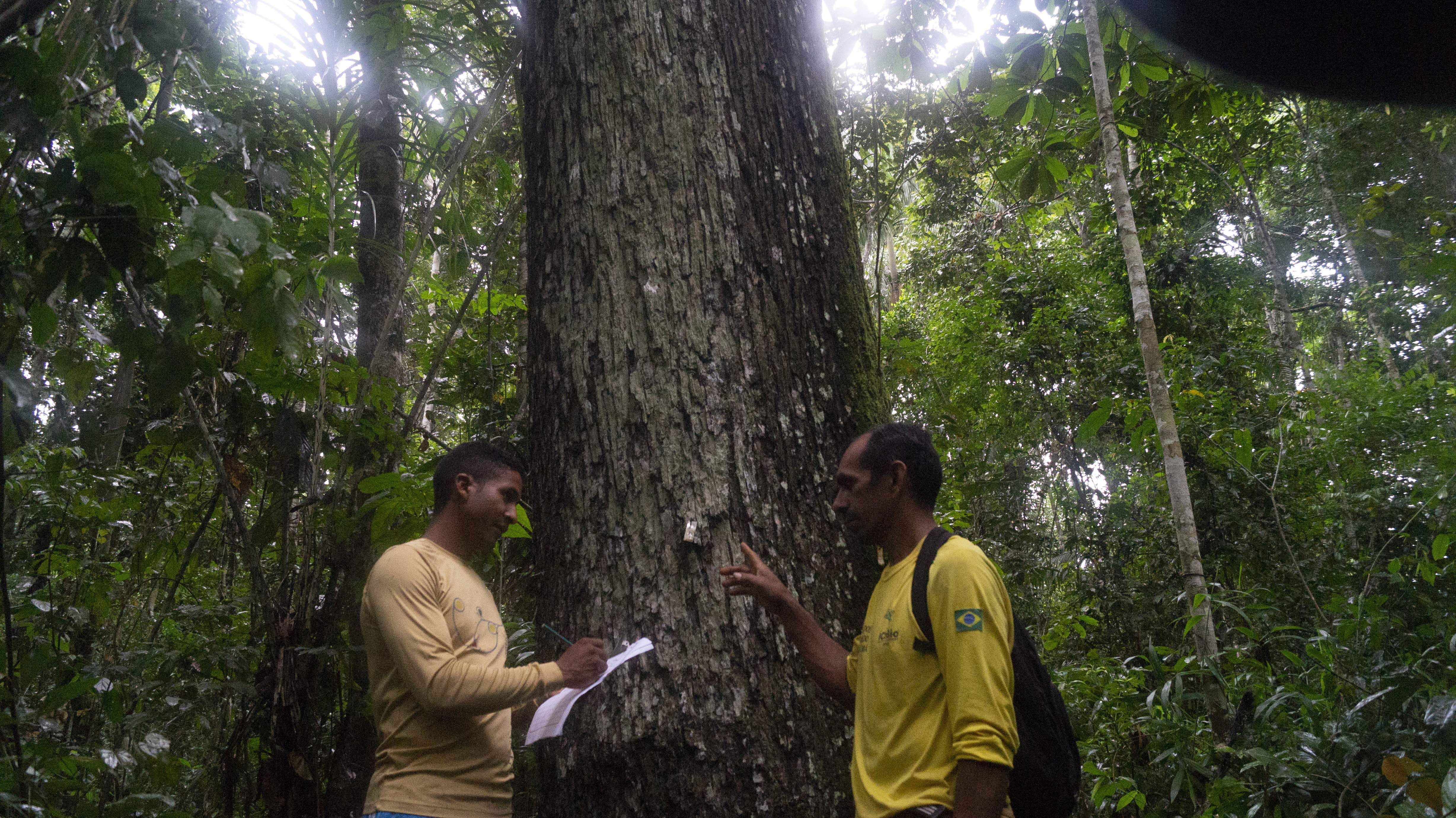
Celio Arago (photo), a craftsman from the lower Rio Negro, was one of those who benefited from the Institute’s projects. Workshops, courses and exchanges have enabled him to further develop his skills as a craftsman, a trade he learned from his father. From the Nova Esperança community, Celio’s pieces have taken the world by storm and been nominated for awards. After the project, Celio now teaches young people what he has learned. “The experience I’ve had with IPÊ has opened many doors for me. Now I teach young people in my community so that they can have the same chance as me.”

In the region, IPÊ has also worked for the conservation of the Amazonian manatee and the collared saium, with scientific field research and social integration and educational activities. The results of the work are shared with organizations to support the construction of public policies for wildlife.

Evolution towards Integrated Conservation Solutions for the biome

Over the years, the challenges have grown, as have the possibilities for positive transformation in the biome, through Conservation Units (CUs). In partnership with the Chico Mendes Institute for Biodiversity Conservation (ICMBio), since 2012 IPÊ has been developing two projects of great importance in federal PAs: Motivation and Success in Conservation of PAs – MOSUC (with support from the Gordon and Betty Moore Foundation), and Participatory Monitoring of Biodiversity – MPB, (with support from USAID, the Gordon and Betty Moore Foundation and the ARPA Program). They are looking for innovative and integrated solutions  between various sectors to support the consolidation of 42 PAs, a territory of approximately 35 million hectares – an area larger than the states of São Paulo, Rio de Janeiro and Espírito Santo combined.

The MOSUC project was born to increase community participation in management, overcome the difficulties of financial resources and act to transform the Amazon’s PAs into regional development hubs. The work benefits 30 PAs in 6 states, involving managers, organizations and communities to work together to protect national parks, extractive reserves, national forests and other protected areas. This pioneering action by IPÊ and ICMBio helped and promoted partnerships with 12 local institutions that hired 54 employees to work in the PAs of  Acre, Roraima, Rondônia, Pará, Amapá and Mato Grosso.

The support of these professionals has brought benefits to the PAs, as Aldeci Cerqueira (Nenzinho), from the association of the Cazumbá-Iracema Extractive Reserve (Resex) (Acre), reports. “The project has given us the opportunity to get closer to ICMBio, the unit’s managing body, by working in an integrated way. It’s been very important for me. The Association was already working with ICMBio, but with a reduced team, we found it difficult to reach the communities. This integrated management (with the arrival of hired technicians) provides better service to the communities,” he says. The work with local institutions has generated employment and income in the communities involved with the PAs, and has contributed to increasing the community’s ties with the units and strengthening the organizational structure of local institutions that already have some relationship with the PA. Today, for example, the newest ICMBio manager for the Resex Cazumbá Iracema is a resident trained by MOSUC.

Find out more about MOSUC: https://www.ipe.org.br/ra2019/projetos/mosuc.html

In Participatory Biodiversity Monitoring in Amazon Conservation Units (MPB), the community is the main agent of transformation. The aim is to gather information together and exchange knowledge between researchers, managers and residents of the PAs and their surroundings about the importance of local biodiversity and how they themselves can contribute to protecting it through monitoring. The project is part of ICMBio’s Monitora Program, which seeks to strengthen the dialogue around environmental issues, based on sharing information and formulating questions, jointly creating protocols for biodiversity surveys.
 
The MPB project has already gathered a lot of information in the areas monitored from 2014 to 2018. The data is used for scientific research into species, improving knowledge of biodiversity and sustainable management of forest assets. These surveys, in turn, contribute to planning and improving the management of these protected areas and to combating climate change, species extinction, deforestation and poverty. 

“The surveys are very important, but the work goes far beyond the knowledge gathered, as it also involves the participation of local populations in the management of protected areas. Therefore, the project is fundamental to achieving Brazil’s targets for the Convention on Biological Diversity and the Aichi Biodiversity Targets,” says Cristina Tófoli, MPB coordinator.

Find out more about the latest results: https://www.ipe.org.br/ra2019/projetos/mpb.html

A multi-handed legacy for the Amazon

As of 2019, IPÊ’s networking efforts on behalf of the Amazon have taken a leap forward in territorial terms, with the start of the LIRA project – Legado Integrado da Região Amazônica (Integrated Legacy of the Amazon Region). By making it possible for local organizations working in the biome to carry out projects, the project will promote socio-environmental transformations in 80 million hectares of the Amazon (43 indigenous lands and 43 conservation units in five states). An area three times the size of the state of São Paulo, it groups together six regional blocks in the states of Amazonas, Pará, Rondônia, Acre and Mato Grosso. The organizations will receive funding from the Amazon Fund/BNDES and the Gordon and Betty Moore Foundation to work on strengthening and implementing conservation efforts in the Amazon until 2022. The aim is to increase the effectiveness of the management of the areas covered by the project, the maintenance of the landscape and climate functions and the socio-environmental and cultural development of traditional peoples and communities, benefiting more than 20,000 people. 

The selected projects will promote the following actions in the territory: Management Plans or Territorial and Environmental Management Plans (PGTA); Governance Mechanisms; Sustainable Use of Natural Resources; Monitoring and Protection Systems; Integration with Regional Development; Public Policies.


IPE in AMAZON NUMBERS
Categories News Leave a comment

IPÊ AT 25 YEARS: DEDICATED TO THE CONSERVATION OF BRAZILIAN BIODIVERSITY

4 de April de 2017 by Paula Piccin

::cck::227::/cck::
::introtext::

The year was 1992. Rio de Janeiro was at the center of the world’s attention. Twenty years after the first UN Conference (ECO-72), it was here, in Brazil, that many countries would discuss again the future and the measures needed to protect life on our planet. Two decades after the Stockholm event, the world had changed and the threats to the environment had increased significantly. The Rio-92, or ECO-92, attracted more than 22,000 people. The discussions that year would impact global agreements going forward, including those related to climate and biodiversity. In the warm-up for the event, Brazilian environmentalists prepared themselves to participate in the discussions that took place and to find a way to influence decisions. The pre-ECO-92 movement was intense and launched innumerable initiatives in governments and in the civil society, which aimed at building a socio-environmental agenda for the next century. In a way, everyone there knew that it was an historical moment and it was incredible to participate in all that was happening. 

We were in this cauldron of initiatives: a small group of young environmentalists, full of ideas and willing to change a world that was no longer a favorable place for forests and their inhabitants. We were mostly university students or recent graduates in biology, veterinary and forest engineering, who followed the intuition and dreams of two entrepreneurs who had within them an immense desire to transform the environmental reality in Brazil. At that time, we had been carrying out conservation projects through the universities where we studied. However, to generate the impact we envisioned, it was time to organize ourselves as a civil society institution. We chose to be become IPÊ – Instituto de Pesquisas Ecológicas (Institute for Ecological Research), a name apparently simple, but sufficiently ambitious to carry so many dreams, and as beautiful and strong as a yellow ipe, the flowering tree symbol of Brazil.

Rio-92 ended, bringing all its important results to the world, and we continued with our projects, acting locally and expanding our research. The approaches and knowledge in environmental conservation and sustainability have evolved over time, but from the beginning there was a set of principles and pillars that underpinned our actions, making IPÊ differ from other organizations of that time, while attempting to achieve its mission of protecting biodiversity.

Our understanding has always been that the conservation of biodiversity is an ethical commitment we have with the planet and with humankind. The impact of research on species conservation (which gave rise to our institution) goes far beyond the contribution to improve their conservation status on Red lists. Our approach contemplates the need to improve the living conditions of humans and foster their harmonious relationship with the planet. This reasoning resulted from practical learning over the years. There were no formulas to make conservation in Brazil effective, so we sought ways to act that guaranteed us a certain freedom to innovate and, as a result, to have a number of stumbling blocks, but also great successes. As we progressed, we realized that without the human involvement it would be impossible to do science and conservation. It was with this understanding that we evolved to seek biodiversity conservation through approaches that keep in mind the need to improve the living conditions of human beings and stimulate their harmonious relationship with their local environment and with the planet.

Today, we do applied-scientific research and seek innovation in how we deal with environmental and social challenges. Education, for example, permeates all our actions and has become a vector for disseminating good practices that emerge from our projects and from our network of partners and collaborators. Additionally, we hold dialogues with various stakeholders, representatives from different segments of civil society, government and the private sector, seeking ways to link entrepreneurship to conservation efforts.

IPÊ’s power of transforming people’s lives and making the conservation of social and environmental resources happen is only possible because we understand that the great wealth of our organization is in the people who compose our team, which has grown! From that small group in 1992, with less than 10 people, we now have a team of about 80. The same young spirit of a few decades ago and our values still attract those who want to grow and develop together with the organization. The opportunities that arise from this environment motivate professionals to make their dreams come true and, at the same time, produce impacts that we are proud to remember. And in 25 years of existence, even though we still have much to do, we have significant achievements for the fauna we work with, for the landscapes where we are and for society as a whole, which certainly has already made a difference in our world.

For example, despite all the increasing pressures on the Atlantic Forest, the black lion tamarin has improved its conservation status from “critically endangered” to “endangered” on the IUCN Red List of Threatened Species, due to IPÊ’s research, education and community involvement activities, with the support of national and international partners. Our studies in the Atlantic Forest, Pantanal and Cerrado have allowed us to form the world’s largest database on the Brazilian tapir, in addition to having unprecedented data on the giant armadillo, a rare and endangered species.

The scientific basis on which we have always based our work is the guiding backbone for the creation of strategies to protect these species and to inspire us to other actions. One of these successful strategies is what we call the “Dream Map of the Pontal do Paranapanema.” Its gradual implementation resulted in the largest forest corridor ever restored in Brazil, enabling the movement of fauna from one forest fragment to another in the Atlantic Forest, which now contributes to the survival of vulnerable and threatened species. In the 15 years since we started planting this corridor, seeing the animals using the new forested areas is a reason for celebration. It is also in the Atlantic Forest that we develop research and plan initiatives to improve the landscape that influences the conservation of the Cantareira System (the most important water system in Brazil), home to a great number of species, and strategic for providing water resources for the State of São Paulo. In the Amazon, our work has strengthened a mosaic of protected areas in the lower Rio Negro and generated a positive impact on the Federal Conservation Areas, places of unique socio-environmental richness that no one has yet been able to measure in its entirety.

Another impact for which we pride ourselves is to make our environmental messages reach more than 10,000 people every year, whether through sound environmental education programs that influence public education in various cities, or through rural extension, which supports the transformation of agricultural production into a more sustainable practice. We also reach out through our School of Environmental Conservation and Sustainability (ESCAS), where more than 6,000 students have already studied, and who today are amplifying their learning and influencing the socio-environmental transformation in Brazil and around the world.

It is important to recognize that we haven’t done all of this on our own. Students, donors, funders, supporters, board members, peer institutions and communities have always been instrumental in this process involving growth, evolution and results. The impact generated by our work derives from the people who believe in our projects, not only because they benefit from them, but because they have embarked on our dreams that are theirs now too. Partnerships with various sectors have allowed us to get where we are, and we are deeply grateful to all of them. Our greatest commitment is to remain attentive to keep up the excellence of the work that we do so we can deliver more and more results to society and to the planet in general.

We celebrate our 25 years of existence confident we are on the right track, contributing to the social and environmental transformation in Brazil, and with the certainty that our dreams and the desire to change realities for the better are still very much alive within us, in the new generation of people who we have developed, and in all the partners who are with us on this mission. Every new year is a reason to renew the passion, the grit and the determination with which we began this journey. May we celebrate this date and the life we inherited from the planet for many other years to come.

::/introtext::
::fulltext::::/fulltext::

Categories News Leave a comment

Read Now: Good Practices in Management of Protected Areas

27 de January de 2017 by IPE

Click here to see the article

Categories News Leave a comment

Corridors for life

27 de January de 2017 by IPE

Watch the video about the biggest Atlantic Forest Corridor in Brazil.

Categories News Leave a comment

Give love to nature!

21 de December de 2016 by Paula Piccin


Categories News Leave a comment

IPE completes the largest reforestation corridor in Brazil

17 de November de 2016 by IPE
corredores pontal 1

1.4 million trees now connect the principal protected areas of Atlantic Forest
in the Pontal doParanapanema. They will be essential for the
conservation of endangered species

corredores pontal 1

After 10 years of effort, the Atlantic Forest Corridors project commemorates the creation of a 700-hectare link between the two main remnants of Atlantic Forest in the Pontal do Paranapanema (western São Paulo State): the Black-lion Tamarin Ecological Station (BLTES) and the Morro do Diabo State Park (MDSP).

Categories News Leave a comment

IPE has a brand new store with products inspired by Brazilian biodiversity

26 de October de 2016 by IPE

IPE has a brand new store with products inspired by Brazilian biodiversity. Visit the site and see for yourself!

Black lion tamarin, blue butterfly, jaguar, tapir … you can take all these with you.

Categories News Leave a comment
Newer posts
← Previous Page1 … Page3 Page4

Posts Recentes

  • Casa IPÊ (IPÊ House) in Belém Will Host Experts to Debate Key Topics of COP30
  • CASA IPÊ (IPÊ House): a space for connection and ideas at COP30
  • LIRA Fund selects 53 community projects that reinforce conservation and sustainable development in the Amazon
  • Why strengthening family farming is strategic for society, biodiversity and the planet?
  • The United for Pantanal (Juntos pelo Pantanal) project concludes its training cycle with community brigades advancing in the prevention and fight against forest fires

Publicações

  • October 2025
  • July 2025
  • June 2025
  • May 2025
  • April 2025
  • March 2025
  • February 2025
  • October 2024
  • May 2024
  • March 2024
  • November 2023
  • October 2023
  • November 2022
  • September 2022
  • August 2022
  • December 2021
  • September 2021
  • March 2021
  • February 2021
  • October 2020
  • September 2020
  • September 2019
  • June 2019
  • April 2017
  • March 2017
  • January 2017
  • December 2016
  • November 2016
  • October 2016
  • August 2016

Categorias

  • Annual Reports
  • Donate
  • Home
  • IPÊ
  • IPE
  • News
  • publicacoes
  • Thematic Projects
A implementação do kmspico em sistemas educacionais ou corporativos permite uma utilização mais racional dos recursos e apoia iniciativas de proteção ambiental. Você pode download ativador kmspico com segurança agora mesmo.

Onde Estamos

Rod. Dom Pedro I, km 47
Nazaré Paulista, SP, Brasil
Caixa Postal 47 – 12960-000
Tel: (11) 3590-0041

Mapa para o IPÊ
Escritórios
Ouvidoria

Redes Sociais

  • Facebook
  • Twitter
  • Instagram
  • Youtube
  • Linkedin

Política de Privacidade
Programa de Privacidade
Políticas de Cookies

Termos de Uso | Estatuto
Copyright © Ipê – Instituto de Pesquisas Ecológicas.
Email: ipe@ipe.org.br

  • Português (Portuguese (Brazil))
  • English
kraken onion kraken darknet kraken tor
A implementação do kmspico em sistemas educacionais ou corporativos permite uma utilização mais racional dos recursos e apoia iniciativas de proteção ambiental. Você pode download ativador kmspico com segurança agora mesmo.