

 ::cck::174::/cck::
::introtext::
Training for specialized staff is indispensible to consolidating the new conservation units created by ARPA programs and strengthen the management of existing units in Amazonia.
::/introtext::
::fulltext::
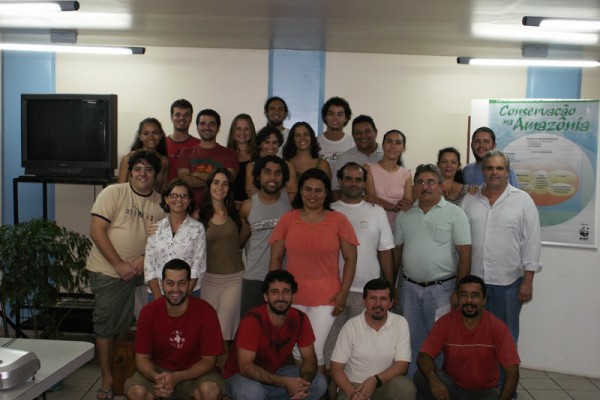
This is particularly relevant because of the current tendency for turnover of technical management staff in conservation units and the broadening of the management concept. In light of this, IPÊ and WWF-Brazil developed the “Introductory Course for Management of Conservation Units in Amazonia”. This course introduces participants to concepts and guidelines for the management of conservation units that are based on an integrative vision of social, natural and environmental issues related to the landscape and regional context.
::/fulltext::
::ac_acordeon::3::/ac_acordeon::
::cck_ac_acordeon::acordeon::/cck_ac_acordeon::
::ac_titulo_acordeon|0|ac_acordeon::Development::/ac_titulo_acordeon|0|ac_acordeon::
::ac_texto_acordeon|0|ac_acordeon::
More than ten institutions specialized in management contribute to this course. The class dynamics vary according to the topics, education level and professional experiences of each invited instructor. We seek to consolidate these individual characteristics with methodological input introduced in workshops. These include:
- Stimulate declarations of needs and expectations at the start and evaluate outcomes at the conclusion of the course;
- Intersperse practical activities within lectures, if the topic permits;
- Undertake real-world case studies;
- Exhibit positive experiences with conservation units;
- Promote the collective “construction/adaptation of the course content” during classes rather than adopting a “dissemination of prepared information”;
- Classes should always direct participants toward in-depth analysis of topics, including bibliographies, centers of reference and other sources of information.
In order to promote the exchange of experiences between professionals working in disparate conservation units, we encourage participants to share information on their work with case studies presented individually or in groups.
::/ac_texto_acordeon|0|ac_acordeon::
::cckend_ac_acordeon::::/cckend_ac_acordeon::
::cck_ac_acordeon::acordeon::/cck_ac_acordeon::
::ac_titulo_acordeon|1|ac_acordeon::Team::/ac_titulo_acordeon|1|ac_acordeon::
::ac_texto_acordeon|1|ac_acordeon::
Eduardo Badialli
edubadi@ipe.org.br
Hercules Quelu
hquelu@ipe.org.br
Nailza Pereira de Sousa
nailza@ipe.org.br
Luís Gustavo Hartwig Quelu
gustavo@ipe.org.br
::/ac_texto_acordeon|1|ac_acordeon::
::cckend_ac_acordeon::::/cckend_ac_acordeon::
::cck_ac_acordeon::acordeon::/cck_ac_acordeon::
::ac_titulo_acordeon|2|ac_acordeon::Support::/ac_titulo_acordeon|2|ac_acordeon::
::ac_texto_acordeon|2|ac_acordeon::
- WWF – Brasil
- Programa ARPA – Áreas Protegidas da Amazônia
::/ac_texto_acordeon|2|ac_acordeon::
::cckend_ac_acordeon::::/cckend_ac_acordeon::
::ac_arquivos::1::/ac_arquivos::
::cck_ac_arquivos::arquivo::/cck_ac_arquivos::
::ac_titulo_arquivo|0|ac_arquivos::::/ac_titulo_arquivo|0|ac_arquivos::
::ac_arquivo|0|ac_arquivos::::/ac_arquivo|0|ac_arquivos::
::cckend_ac_arquivos::::/cckend_ac_arquivos::
::ac_galeria::2::/ac_galeria::
::cck_ac_galeria::galeria::/cck_ac_galeria::
::ac_foto_descricao|0|ac_galeria::::/ac_foto_descricao|0|ac_galeria::
::ac_foto|0|ac_galeria::images/artigo_completo/galeria/1291/12-6f1b3c2558.jpg::/ac_foto|0|ac_galeria::
::cckend_ac_galeria::::/cckend_ac_galeria::
::cck_ac_galeria::galeria::/cck_ac_galeria::
::ac_foto_descricao|1|ac_galeria::::/ac_foto_descricao|1|ac_galeria::
::ac_foto|1|ac_galeria::images/artigo_completo/galeria/1291/22-3c800f4cda.jpg::/ac_foto|1|ac_galeria::
::cckend_ac_galeria::::/cckend_ac_galeria::