

 ::cck::167::/cck::
::introtext::
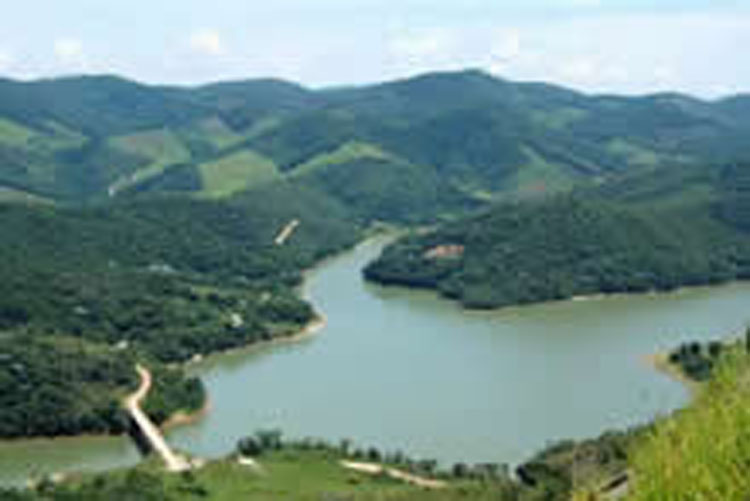
The region of Nazaré Paulista is a priority for environmental conservation and restoration of the Atlantic Forest. It is located at the headwaters of the Piracicaba River Basin and is home to the Atibainha reservoir, which, together with the Cachoeira and Jaguari-Jacareí reservoirs, comprises the Cantareira System.
::/introtext::
::fulltext::
This complex supplies water to approximately 12 million persons. In addition to harboring rare fauna and flora species, several Atlantic Forest remnants in this region provide a most important ecosystem service: protection of water resources.
The project Green Springs, Living Rivers is supported by the Ministry of Environment. It includes reforestation, research, community involvement and environmental education initiatives with residents and decision-makers that emphasize the importance of regional water and biodiversity. Actions include diagnosis of priority areas for reforestation, recovery of riparian areas by planting at least native 60,000 seedlings and participatory forums and environmental education activities.
::/fulltext::
::ac_acordeon::5::/ac_acordeon::
::cck_ac_acordeon::acordeon::/cck_ac_acordeon::
::ac_titulo_acordeon|0|ac_acordeon::Objectives::/ac_titulo_acordeon|0|ac_acordeon::
::ac_texto_acordeon|0|ac_acordeon::
Reforestation, wildlife research, community involvement and environmental education emphasizing to residents and decision makers the importance of regional water resources and biodiversity of the Atlantic Forest.
::/ac_texto_acordeon|0|ac_acordeon::
::cckend_ac_acordeon::::/cckend_ac_acordeon::
::cck_ac_acordeon::acordeon::/cck_ac_acordeon::
::ac_titulo_acordeon|1|ac_acordeon::Development::/ac_titulo_acordeon|1|ac_acordeon::
::ac_texto_acordeon|1|ac_acordeon::
Green Springs, Living Rivers stands out among existing initiatives for recovery of riparian areas because we plan forest restoration activities and focus on the conservation of water resources by incorporating co-benefits such as biodiversity conservation. The project is also linked to mammal surveys, a collaboration that will yield a map of the distribution of terrestrial mammals in the landscape. This information will be overlaid onto a use and occupation map, another project initiative to aid in the development of priority areas for forest recovery. The second map will also reflect the requirements for the conservation of mammals and their ecological contributions to the regeneration of riparian forests.
A teaching nursery of native trees, with an annual production capacity of 40,000 seedlings, was created to meet the demands from reforestation and environmental education activities, such as workshops on planting and forest nurseries. Other environmental education activities include thematic lectures, monitored interpretive walks, environmental studies, art workshops and education, distribution and planting of native trees with students, teachers, landowners and farmers and the local community. These activities are structured according to the IPÊ Conservation Model, which has been successfully developed in four regions of Brazil and integrates endangered species research, environmental education, habitat conservation, community involvement, sustainable development, landscape interventions and contributions to public policy. We hope that this project will promote conservation of water resources and biodiversity, thus contributing to improved quality-of-life of local residents.
::/ac_texto_acordeon|1|ac_acordeon::
::cckend_ac_acordeon::::/cckend_ac_acordeon::
::cck_ac_acordeon::acordeon::/cck_ac_acordeon::
::ac_titulo_acordeon|2|ac_acordeon::Team::/ac_titulo_acordeon|2|ac_acordeon::
::ac_texto_acordeon|2|ac_acordeon::
Roberto de Lara Haddad
Engenheiro Agrônomo
Coordinator
beto_haddad@ipe.org.br
Maria das Graças de Souza
General Coordinator of Environmental Education
Contact: gracinha@ipe.org.br
Gislaine de Carvalho
Biologist and Environmental Educator
Contat: gislaine@ipe.org.br
Thomaz Chagas de Almeida
Biologist
Roberto Haddad
Agronomist
Eduardo Roberto Machado
Intern
::/ac_texto_acordeon|2|ac_acordeon::
::cckend_ac_acordeon::::/cckend_ac_acordeon::
::cck_ac_acordeon::acordeon::/cck_ac_acordeon::
::ac_titulo_acordeon|3|ac_acordeon::Support::/ac_titulo_acordeon|3|ac_acordeon::
::ac_texto_acordeon|3|ac_acordeon::
- FNMA – National Environment Fund / Ministry of Environment / Federal Government.
- Claudia Rimini
- EcoSwim – Escola Politécnica da USP
- Grupo Bimbo
- Danone
- Vivo
- Rede Smart
- Vacine seu Planeta
- SABESP
::/ac_texto_acordeon|3|ac_acordeon::
::cckend_ac_acordeon::::/cckend_ac_acordeon::
::cck_ac_acordeon::acordeon::/cck_ac_acordeon::
::ac_titulo_acordeon|4|ac_acordeon::Partnearships::/ac_titulo_acordeon|4|ac_acordeon::
::ac_texto_acordeon|4|ac_acordeon::
- SABESP
- Municipality of Nazaré Paulista
- CATI – Nazaré Paulista Agriculture Agency
- Nazaré Paulista Department of Education
- CENAP – National Research Centre for Conservation of Wild Predators.
::/ac_texto_acordeon|4|ac_acordeon::
::cckend_ac_acordeon::::/cckend_ac_acordeon::
::ac_arquivos::1::/ac_arquivos::
::cck_ac_arquivos::arquivo::/cck_ac_arquivos::
::ac_titulo_arquivo|0|ac_arquivos::::/ac_titulo_arquivo|0|ac_arquivos::
::ac_arquivo|0|ac_arquivos::::/ac_arquivo|0|ac_arquivos::
::cckend_ac_arquivos::::/cckend_ac_arquivos::
::ac_galeria::1::/ac_galeria::
::cck_ac_galeria::galeria::/cck_ac_galeria::
::ac_foto_descricao|0|ac_galeria::::/ac_foto_descricao|0|ac_galeria::
::ac_foto|0|ac_galeria::::/ac_foto|0|ac_galeria::
::cckend_ac_galeria::::/cckend_ac_galeria::