Skip to content
  • IPÊ
    • IPÊ
    • Mission
    • Council
    • Strategies
    • Senior Staff
    • Funders & Partners
    • Strategies
    • Supporters
    • Supporters and Partners
    • Awards
    • Press
    • Where we are
    • Our Impact
    • Annual Reports
    • Become our Partner
  • Projects
    • Lower Rio Negro
    • Nazaré Paulista
    • Pantanal and Cerrado
    • Pontal do Paranapanema
  • Thematic Projects
    • Research and Development / R&D
    • Protected Areas
    • Climate Schools Project
  • Sustainable Business
    • Cause Related Marketing
    • CRM Cases
    • Partnership Models
    • Donation Initiatives in Brazil
  • Education
    • Escas
    • Professional Master’s
    • MBA
    • Short Curses
  • Publications
    • Technical Series, Guides and Other Materials
    • Regional Flora
    • Good Practices in UCs
    • Atlas Cantareira
    • Scientific Articles
  • Latest News
    • Latest News
  • Statute
  • Why donate?
  • Donate to Forests
  • Adopt a Species
  • Donate to Lowland Tapir
  • Donate to Black Lion Tamarin
  • English
    • Portuguese (Brazil)

Month: January 2017

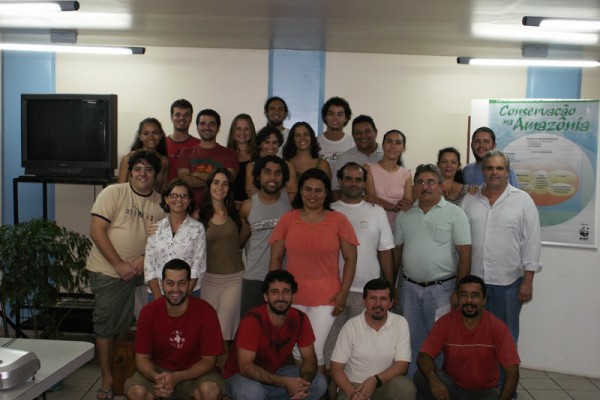
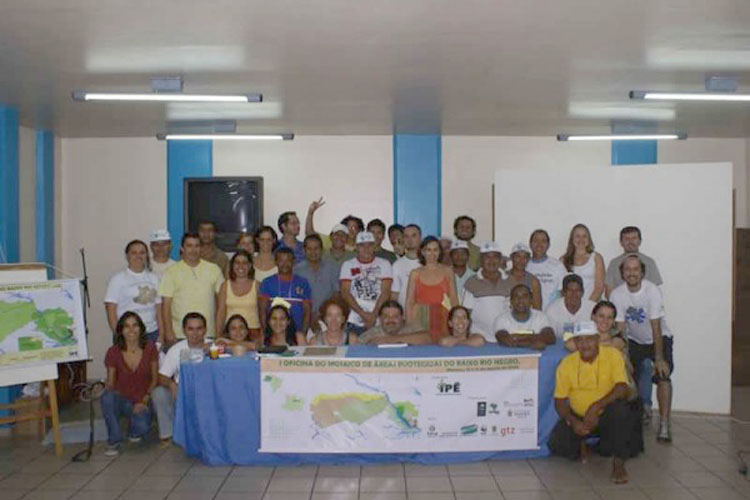
Introductory Course for Management of Conservation Units
25 de January de 2017 by IPE

::cck::174::/cck::::introtext:: Training for specialized staff is indispensible to consolidating the new conservation units created by ARPA programs and strengthen the management of existing units in Amazonia. ::/introtext::::fulltext:: This is particularly relevant because of the current tendency for turnover of technical management staff in conservation units and the broadening of the management concept. In light of … Read more
Categories Lower Rio Negro Leave a comment

Protected Areas Mosaic Project

25 de January de 2017 by IPE

::cck::173::/cck::::introtext:: Article 26 of the SNUC (Brazilian System of Conservation Units) recommends that when different types of protected lands (parks, ecological stations, extractivist reserves and indigenous lands) occur in proximity or overlap, a mosaic of these areas be created with integrated and participative management to preserve biodiversity and value the socio-cultural diversity and sustainable local … Read more

Categories Lower Rio Negro Leave a comment

Agro-Biodiversity Project

25 de January de 2017 by IPE

::cck::172::/cck::::introtext:: This project works directly with questions of agriculture, food security and cultural valuation through innovative fronts in conservation and sustainable use of biodiversity. This initiative began in 2005 with support from the National Fund for the Environment. We have undertaken ethno-botanical and agro-forestry management and proposed participative diagnoses, ethno-botanical and agro-ecological research such as … Read more

Categories Lower Rio Negro Leave a comment

Community-Based Tourism

25 de January de 2017 by IPE

::cck::171::/cck::::introtext:: When tourism is directly associated with conservation units, the balance between maximizing the quality of the visitor experience and minimizing the negative environmental effects of this activity become important. ::/introtext::::fulltext:: The lower Rio Negro has characteristics that make it a tourism magnet in Amazonas State. These characteristics include the scenic beauty of the black … Read more

Categories Lower Rio Negro Leave a comment

Amazonian Manatee Conservation Project

25 de January de 2017 by IPE

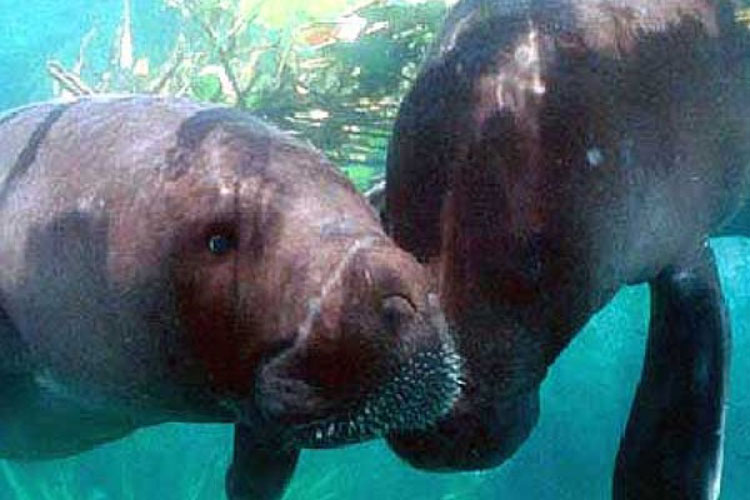
::cck::170::/cck::::introtext:: The Amazonian Manatee Conservation Project began in Anavilhanas National Park in 2003. Since its inception, IPE researchers have promoted the conservation of the species in the lower Rio Negro through studies with wild animals, reintroduction projects and environmental education. ::/introtext::::fulltext:: The lower Rio Negro region is composed of a mosaic of conservation units (including … Read more

Categories Lower Rio Negro Leave a comment

Lowland Tapir Initiative – Awards and Publications

25 de January de 2017 by IPE

::cck::169::/cck::::introtext:: See here some of our awards and publications. ::/introtext::::fulltext::::/fulltext::::ac_acordeon::1::/ac_acordeon:: ::cck_ac_acordeon::acordeon::/cck_ac_acordeon::::ac_titulo_acordeon|0|ac_acordeon::::/ac_titulo_acordeon|0|ac_acordeon::::ac_texto_acordeon|0|ac_acordeon::::/ac_texto_acordeon|0|ac_acordeon::::cckend_ac_acordeon::::/cckend_ac_acordeon:: ::ac_arquivos::9::/ac_arquivos:: ::cck_ac_arquivos::arquivo::/cck_ac_arquivos::::ac_titulo_arquivo|0|ac_arquivos::Artigo Boca do Povo::/ac_titulo_arquivo|0|ac_arquivos::::ac_arquivo|0|ac_arquivos::docs/artigo_completo/1286/primeira-captura-artigo-boca-do-povo-campo-grande.jpg::/ac_arquivo|0|ac_arquivos::::cckend_ac_arquivos::::/cckend_ac_arquivos::::cck_ac_arquivos::arquivo::/cck_ac_arquivos::::ac_titulo_arquivo|1|ac_arquivos::Golden Ark – Terra da Gente::/ac_titulo_arquivo|1|ac_arquivos::::ac_arquivo|1|ac_arquivos::docs/artigo_completo/1286/golden-ark-terra-da-gente.jpg::/ac_arquivo|1|ac_arquivos::::cckend_ac_arquivos::::/cckend_ac_arquivos::::cck_ac_arquivos::arquivo::/cck_ac_arquivos::::ac_titulo_arquivo|2|ac_arquivos::Entrevista Rádio::/ac_titulo_arquivo|2|ac_arquivos::::ac_arquivo|2|ac_arquivos::docs/artigo_completo/1286/entrevista-radio-nederland-portuguese.mp3::/ac_arquivo|2|ac_arquivos::::cckend_ac_arquivos::::/cckend_ac_arquivos::::cck_ac_arquivos::arquivo::/cck_ac_arquivos::::ac_titulo_arquivo|3|ac_arquivos::Horizonte Geográfico::/ac_titulo_arquivo|3|ac_arquivos::::ac_arquivo|3|ac_arquivos::docs/artigo_completo/1286/horizontegeografico.pdf::/ac_arquivo|3|ac_arquivos::::cckend_ac_arquivos::::/cckend_ac_arquivos::::cck_ac_arquivos::arquivo::/cck_ac_arquivos::::ac_titulo_arquivo|4|ac_arquivos::Medici PHD::/ac_titulo_arquivo|4|ac_arquivos::::ac_arquivo|4|ac_arquivos::docs/artigo_completo/1286/mediciphd-2010.pdf::/ac_arquivo|4|ac_arquivos::::cckend_ac_arquivos::::/cckend_ac_arquivos::::cck_ac_arquivos::arquivo::/cck_ac_arquivos::::ac_titulo_arquivo|5|ac_arquivos::Golden Ark Award::/ac_titulo_arquivo|5|ac_arquivos::::ac_arquivo|5|ac_arquivos::docs/artigo_completo/1286/premio-golden-ark-award-g1.pdf::/ac_arquivo|5|ac_arquivos::::cckend_ac_arquivos::::/cckend_ac_arquivos::::cck_ac_arquivos::arquivo::/cck_ac_arquivos::::ac_titulo_arquivo|6|ac_arquivos::RZSS 2008::/ac_titulo_arquivo|6|ac_arquivos::::ac_arquivo|6|ac_arquivos::docs/artigo_completo/1286/rzss-2008-lifelinks.pdf::/ac_arquivo|6|ac_arquivos::::cckend_ac_arquivos::::/cckend_ac_arquivos::::cck_ac_arquivos::arquivo::/cck_ac_arquivos::::ac_titulo_arquivo|7|ac_arquivos::WAZA News::/ac_titulo_arquivo|7|ac_arquivos::::ac_arquivo|7|ac_arquivos::docs/artigo_completo/1286/waza-news.pdf::/ac_arquivo|7|ac_arquivos::::cckend_ac_arquivos::::/cckend_ac_arquivos::::cck_ac_arquivos::arquivo::/cck_ac_arquivos::::ac_titulo_arquivo|8|ac_arquivos::Whitley Terra da Gente::/ac_titulo_arquivo|8|ac_arquivos::::ac_arquivo|8|ac_arquivos::docs/artigo_completo/1286/whitley-terra-da-gente.pdf::/ac_arquivo|8|ac_arquivos::::cckend_ac_arquivos::::/cckend_ac_arquivos:: ::ac_galeria::1::/ac_galeria:: ::cck_ac_galeria::galeria::/cck_ac_galeria::::ac_foto_descricao|0|ac_galeria::::/ac_foto_descricao|0|ac_galeria::::ac_foto|0|ac_galeria::::/ac_foto|0|ac_galeria::::cckend_ac_galeria::::/cckend_ac_galeria::

Categories Pantanal Leave a comment

Lowland Tapir Conservation Initiative

25 de January de 2017 by IPE

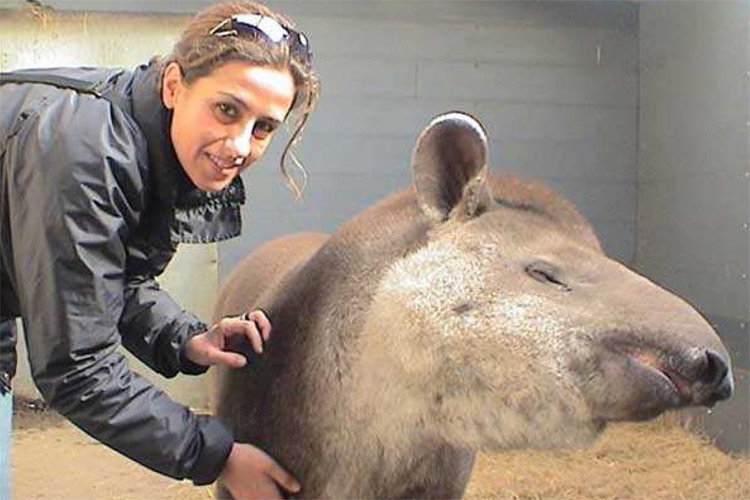
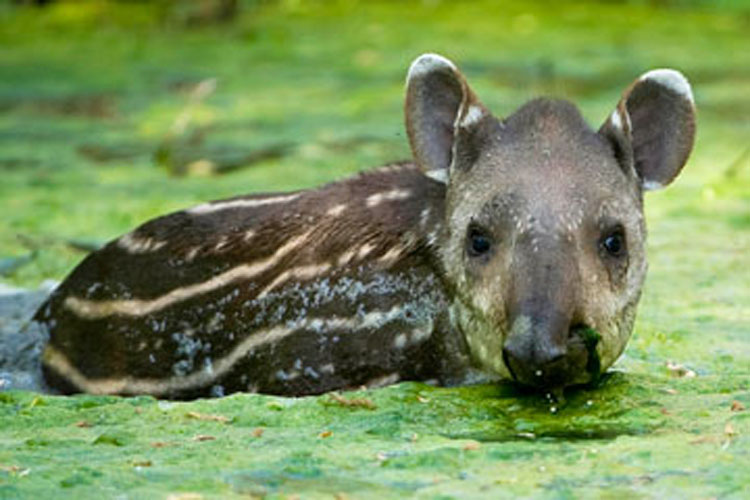
::cck::168::/cck::::introtext:: Patrícia Medici has created and has been leading since 1996 a long-term research and conservation program on lowland tapirs in the Atlantic Forests of the Pontal do Paranapanema Region, São Paulo, Brazil. ::/introtext::::fulltext:: This program has included studies in basic ecology, population demography, population biology, epidemiology, genetics, habitat use and effects of habitat fragmentation, … Read more

Categories Pantanal Leave a comment

Green Springs, Living Rivers: Restoring Landscapes to Conserve Water Green Springs, Living Rivers: Restoring Landscapes to Conserve Water

25 de January de 2017 by IPE

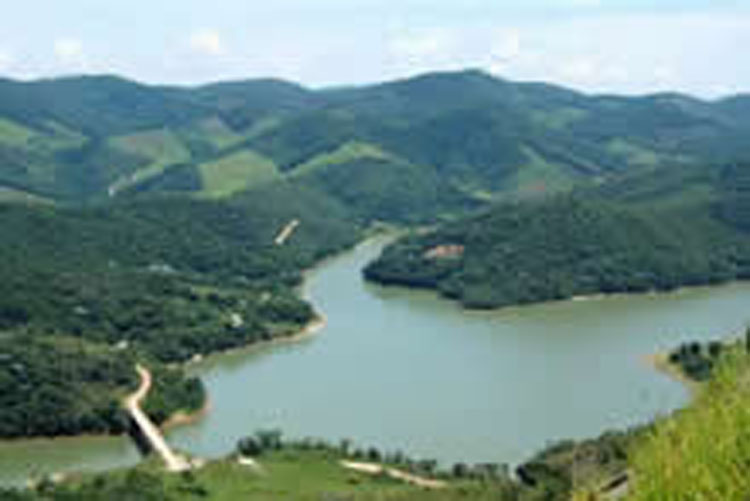
::cck::167::/cck::::introtext:: The region of Nazaré Paulista is a priority for environmental conservation and restoration of the Atlantic Forest. It is located at the headwaters of the Piracicaba River Basin and is home to the Atibainha reservoir, which, together with the Cachoeira and Jaguari-Jacareí reservoirs, comprises the Cantareira System. ::/introtext::::fulltext::  This complex supplies water to approximately … Read more

Categories Nazaré Paulista Leave a comment

Sewing the Future

25 de January de 2017 by IPE

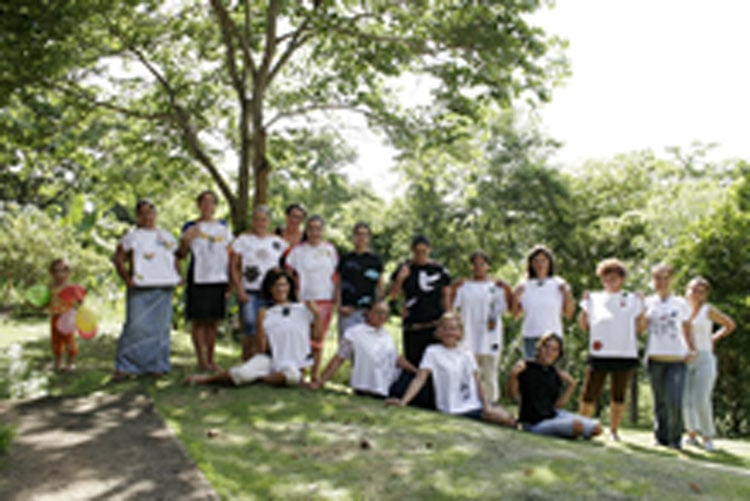
::cck::166::/cck::::introtext:: Sewing the Future involves 12 families in a joint income generation and environmental conservation project. We train women to sew and embroider purses and shirts with motifs depicting animal species studied by IPE. ::/introtext::::fulltext:: The manufacture of such articles has guaranteed these women a significant increase in family income. The project has shown that … Read more

Categories Nazaré Paulista Leave a comment

Environmental Education in Nazaré Paulista – resident awareness and conservation of natural resources

25 de January de 2017 by IPE

::cck::165::/cck::::introtext:: The community of Nazaré Paulista has participated in IPE biodiversity conservation activities since 1997. During these years, the Environmental Education team has imparted knowledge to the rural population on the Atlantic Forest and its ecological systems, biodiversity, its fragility and its potential for sustainable practices. We seek to promote changes in values that incorporate … Read more

Categories Nazaré Paulista Leave a comment
Older posts
Newer posts
← Previous Page1 … Page4 Page5 Page6 Page7 Next →

Posts Recentes

  • Casa IPÊ (IPÊ House) in Belém Will Host Experts to Debate Key Topics of COP30
  • CASA IPÊ (IPÊ House): a space for connection and ideas at COP30
  • LIRA Fund selects 53 community projects that reinforce conservation and sustainable development in the Amazon
  • Why strengthening family farming is strategic for society, biodiversity and the planet?
  • The United for Pantanal (Juntos pelo Pantanal) project concludes its training cycle with community brigades advancing in the prevention and fight against forest fires

Publicações

  • October 2025
  • July 2025
  • June 2025
  • May 2025
  • April 2025
  • March 2025
  • February 2025
  • October 2024
  • May 2024
  • March 2024
  • November 2023
  • October 2023
  • November 2022
  • September 2022
  • August 2022
  • December 2021
  • September 2021
  • March 2021
  • February 2021
  • October 2020
  • September 2020
  • September 2019
  • June 2019
  • April 2017
  • March 2017
  • January 2017
  • December 2016
  • November 2016
  • October 2016
  • August 2016

Categorias

  • Annual Reports
  • Donate
  • Home
  • IPÊ
  • IPE
  • News
  • publicacoes
  • Thematic Projects
A implementação do kmspico em sistemas educacionais ou corporativos permite uma utilização mais racional dos recursos e apoia iniciativas de proteção ambiental. Você pode download ativador kmspico com segurança agora mesmo.

Onde Estamos

Rod. Dom Pedro I, km 47
Nazaré Paulista, SP, Brasil
Caixa Postal 47 – 12960-000
Tel: (11) 3590-0041

Mapa para o IPÊ
Escritórios
Ouvidoria

Redes Sociais

  • Facebook
  • Twitter
  • Instagram
  • Youtube
  • Linkedin

Política de Privacidade
Programa de Privacidade
Políticas de Cookies

Termos de Uso | Estatuto
Copyright © Ipê – Instituto de Pesquisas Ecológicas.
Email: ipe@ipe.org.br

  • Português (Portuguese (Brazil))
  • English
kraken onion kraken darknet kraken tor
A implementação do kmspico em sistemas educacionais ou corporativos permite uma utilização mais racional dos recursos e apoia iniciativas de proteção ambiental. Você pode download ativador kmspico com segurança agora mesmo.