

 ::cck::160::/cck::
::introtext::
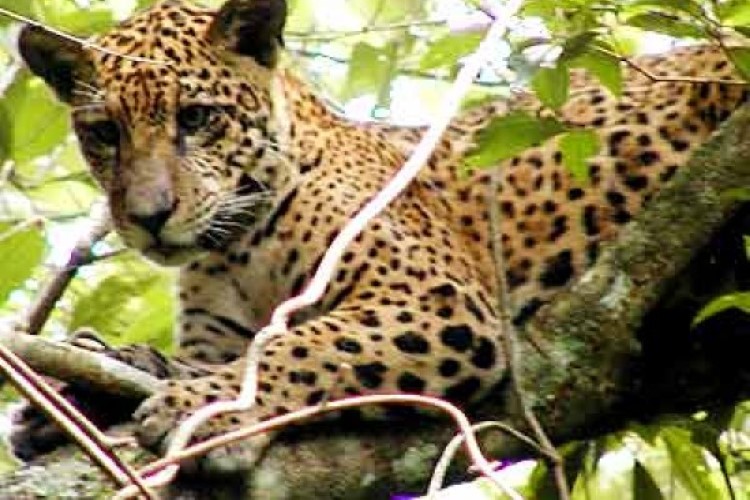
This project seeks evaluates the population size, genetic status and dispersal patterns of three large mammal species in Morro do Diabo State Park and surrounding forest fragments in the Pontal do Paranapanema.
::/introtext::
::fulltext::
Results from this study are essential for the implementation of two conservation management practices: metapopulation management and the ecological corridors that improve the connectivity of biodiversity through the fragmented landscape. Some individuals were captured and fitted with radio collars in order to more easily track their movements in the region.
Population estimates indicate that no more than 20 jaguars, 30 pumas, 120 ocelots and 250 tapirs survive in the Pontal do Paranapanema. This region retains approximately 36,000 hectares of forest in Morro do Diabo State Park and 21,000 hectares distributed among the smaller fragments.
These populations are considerably lower than the minimum viable size of 500 that is recommended for long-term survival of any species. An example of the consequences of low population size is the genetic depression seen in a recently captured male puma. Future studies will reveal its genetic status.
Preliminary dispersal data have shown that these large mammals still survive in small forested areas, primarily because they are able to exploit neighboring resources and travel long distances between forest fragments.
In the future, conservation will likely require metapopulation management to rescue the genetic viability of these species. Currently, forest corridors are being created to improve animals’ ability to disperse. This connectivity not only guarantees the survival of the “ecological detectives”, but also the conservation of other species that benefit from these forest highways.
Study Species
Puma (Puma concolor), jaguar (Panthera onca), ocelot (Leopardus pardalis) and tapir (Tapirus terrestris).
::/fulltext::
::ac_acordeon::3::/ac_acordeon::
::cck_ac_acordeon::acordeon::/cck_ac_acordeon::
::ac_titulo_acordeon|0|ac_acordeon::Objectives::/ac_titulo_acordeon|0|ac_acordeon::
::ac_texto_acordeon|0|ac_acordeon::
- Estimate population size of species in Morro do Diabo State Park and other forest fragments;
- Describe space use and territoriality in these species;
- Analyze the genetic status of these species;
- Describe and map the primary dispersal routes through the landscape surrounding Morro do Diabo State Park and other fragments;
- Investigate the potential of each species to act as “ecological detectives”, delineating the dispersal routes that should be conserved and/or reforested as wildlife corridors;
- Contact land owners whose land is used by the study species in order to share information and sensitize them to the importance of forest conservation;
- Produce educational material that outlines adequate actions to be taken when animals are observed in the region;
- Turn these species into conservation symbols for the Pontal region;
- Contribute to the long-term implementation of a large-scale corridor that connects the remaining forest fragments in São Paulo, Mato Grosso do Sul and Paraná states, as well as Argentina and Paraguay.
::/ac_texto_acordeon|0|ac_acordeon::
::cckend_ac_acordeon::::/cckend_ac_acordeon::
::cck_ac_acordeon::acordeon::/cck_ac_acordeon::
::ac_titulo_acordeon|1|ac_acordeon::Team::/ac_titulo_acordeon|1|ac_acordeon::
::ac_texto_acordeon|1|ac_acordeon::
Laury Cullen Jr Contato: lcullen@stetnet.com.br
Patricia Médici Contato: epmedici@uol.com.br
Fernando Lima Contato:phernando@ipe.org.br
Kaue Abreu Contato: cachuba@gmail.com
::/ac_texto_acordeon|1|ac_acordeon::
::cckend_ac_acordeon::::/cckend_ac_acordeon::
::cck_ac_acordeon::acordeon::/cck_ac_acordeon::
::ac_titulo_acordeon|2|ac_acordeon::Support::/ac_titulo_acordeon|2|ac_acordeon::
::ac_texto_acordeon|2|ac_acordeon::
- Liz Clairborne Art Ortenberg Foundation
- BBC Wildlife Fund
- Cat’s Leap Project
::/ac_texto_acordeon|2|ac_acordeon::
::cckend_ac_acordeon::::/cckend_ac_acordeon::
::ac_arquivos::1::/ac_arquivos::
::cck_ac_arquivos::arquivo::/cck_ac_arquivos::
::ac_titulo_arquivo|0|ac_arquivos::::/ac_titulo_arquivo|0|ac_arquivos::
::ac_arquivo|0|ac_arquivos::::/ac_arquivo|0|ac_arquivos::
::cckend_ac_arquivos::::/cckend_ac_arquivos::
::ac_galeria::9::/ac_galeria::
::cck_ac_galeria::galeria::/cck_ac_galeria::
::ac_foto_descricao|0|ac_galeria::::/ac_foto_descricao|0|ac_galeria::
::ac_foto|0|ac_galeria::images/artigo_completo/galeria/1277/77-eb23bed9d4.jpg::/ac_foto|0|ac_galeria::
::cckend_ac_galeria::::/cckend_ac_galeria::
::cck_ac_galeria::galeria::/cck_ac_galeria::
::ac_foto_descricao|1|ac_galeria::::/ac_foto_descricao|1|ac_galeria::
::ac_foto|1|ac_galeria::images/artigo_completo/galeria/1277/84-ed17053bb3.jpg::/ac_foto|1|ac_galeria::
::cckend_ac_galeria::::/cckend_ac_galeria::
::cck_ac_galeria::galeria::/cck_ac_galeria::
::ac_foto_descricao|2|ac_galeria::::/ac_foto_descricao|2|ac_galeria::
::ac_foto|2|ac_galeria::images/artigo_completo/galeria/1277/94-09f6aa9d1a.jpg::/ac_foto|2|ac_galeria::
::cckend_ac_galeria::::/cckend_ac_galeria::
::cck_ac_galeria::galeria::/cck_ac_galeria::
::ac_foto_descricao|3|ac_galeria::::/ac_foto_descricao|3|ac_galeria::
::ac_foto|3|ac_galeria::images/artigo_completo/galeria/1277/128-7d2151bf7c.jpg::/ac_foto|3|ac_galeria::
::cckend_ac_galeria::::/cckend_ac_galeria::
::cck_ac_galeria::galeria::/cck_ac_galeria::
::ac_foto_descricao|4|ac_galeria::::/ac_foto_descricao|4|ac_galeria::
::ac_foto|4|ac_galeria::images/artigo_completo/galeria/1277/228-ceca9f77bd.jpg::/ac_foto|4|ac_galeria::
::cckend_ac_galeria::::/cckend_ac_galeria::
::cck_ac_galeria::galeria::/cck_ac_galeria::
::ac_foto_descricao|5|ac_galeria::::/ac_foto_descricao|5|ac_galeria::
::ac_foto|5|ac_galeria::images/artigo_completo/galeria/1277/325-f339f1e46f.jpg::/ac_foto|5|ac_galeria::
::cckend_ac_galeria::::/cckend_ac_galeria::
::cck_ac_galeria::galeria::/cck_ac_galeria::
::ac_foto_descricao|6|ac_galeria::::/ac_foto_descricao|6|ac_galeria::
::ac_foto|6|ac_galeria::images/artigo_completo/galeria/1277/420-c24582740d.jpg::/ac_foto|6|ac_galeria::
::cckend_ac_galeria::::/cckend_ac_galeria::
::cck_ac_galeria::galeria::/cck_ac_galeria::
::ac_foto_descricao|7|ac_galeria::::/ac_foto_descricao|7|ac_galeria::
::ac_foto|7|ac_galeria::images/artigo_completo/galeria/1277/514-d2cecf9140.jpg::/ac_foto|7|ac_galeria::
::cckend_ac_galeria::::/cckend_ac_galeria::
::cck_ac_galeria::galeria::/cck_ac_galeria::
::ac_foto_descricao|8|ac_galeria::::/ac_foto_descricao|8|ac_galeria::
::ac_foto|8|ac_galeria::images/artigo_completo/galeria/1277/611-ee65296555.jpg::/ac_foto|8|ac_galeria::
::cckend_ac_galeria::::/cckend_ac_galeria::