

As a civil society organization, IPÊ takes part in preparatory meetings for the United Nations Conferences of the Parties (COPs) scheduled for 2026, which will focus on climate and biodiversity decision-making. In May, Brazil’s Ministry of Foreign Affairs (Itamaraty) hosted a consultation with civil society organizations on the agenda of the 64th Session of the Subsidiary Bodies (SB64) of the United Nations Framework Convention on Climate Change (UNFCCC), currently being held in Bonn, Germany. Discussions covered Mitigation, Adaptation and Resilience, Climate Finance, Just Transition, Transparency, Technology and Markets, as well as Cross-Cutting and Global Dialogues.
“The topics discussed during the meeting were directly related to the outcomes of COP30 in Belém. Our participation focused on climate adaptation and mitigation issues, particularly the impacts on biodiversity and how forest conservation supports climate mitigation efforts,” said Simone Tenório, IPÊ representative.
During the meeting, participants reviewed the issues that Brazil will bring to COP31, scheduled to take place in Türkiye in November. Brazilian diplomats emphasized that worsening geopolitical tensions and conflicts must not overshadow the progress achieved so far.
“Adaptation was highlighted by all participants and is strongly aligned with Brazil’s National Adaptation Plan. It is also essential to strengthen international cooperation, increase resources for cooperation, technical assistance and capacity building, and advance a local implementation accelerator that connects financing, technology, and capacity development,” commented Simone.
Biodiversity
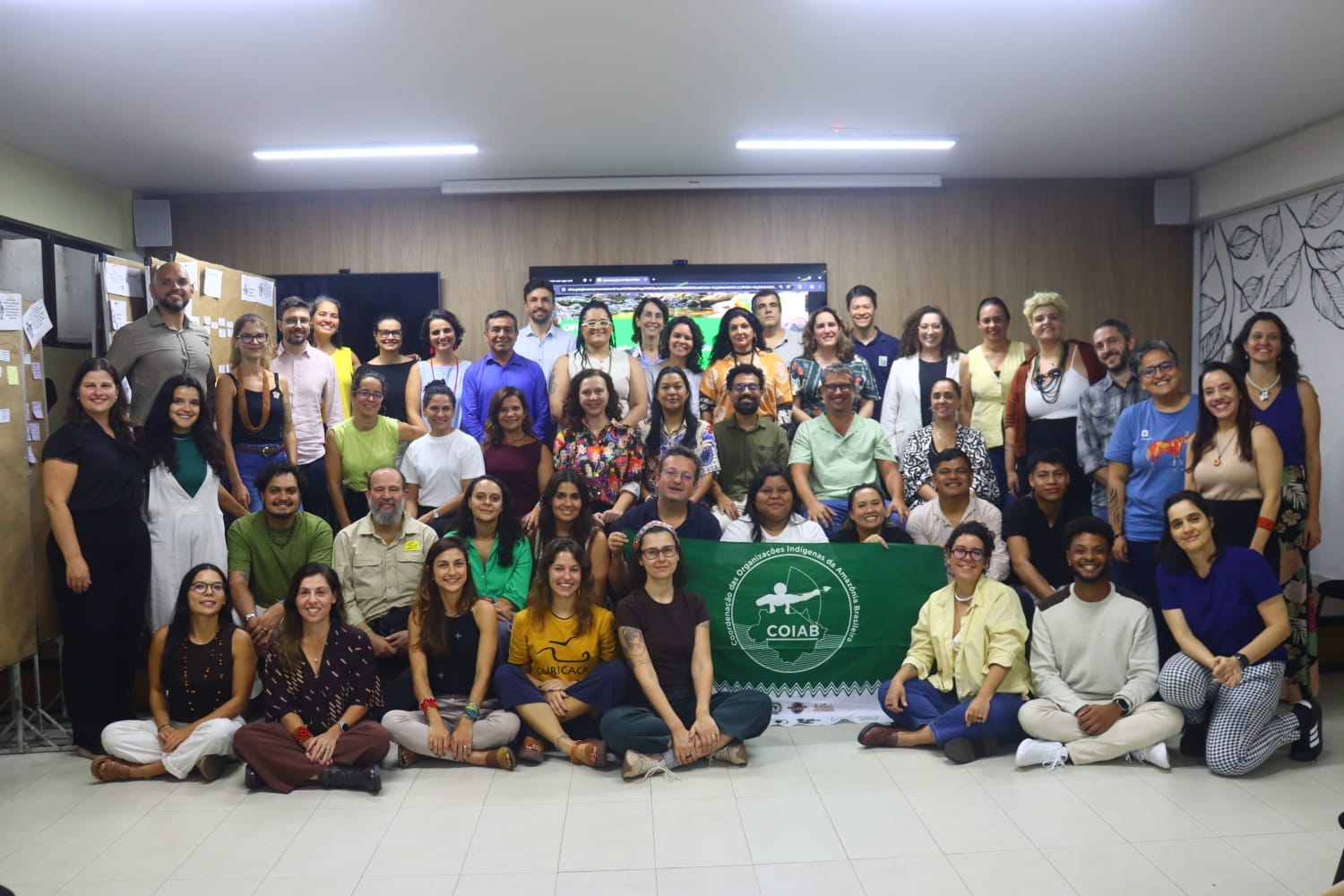
In the same month, IPÊ also took part in consolidating Brazilian civil society contributions to the preparation of the 7th National Report to the Convention on Biological Diversity (CBD), coordinated by Brazil’s Ministry of the Environment and Climate Change. The report will be submitted to the CBD in June 2026.
During a seminar, socioenvironmental organizations contributed to the assessment of progress toward the implementation of Brazil’s national biodiversity targets established under the National Biodiversity Strategy and Action Plan (NBSAP 2025–2030). “We are continuously engaged in this agenda. We contribute field-based biodiversity data and scientific knowledge to help ensure that Brazil’s NBSAP is practical and effective. Through the NBSAP and the State Biodiversity Strategies and Action Plans, it is possible to make significant progress toward achieving the global biodiversity targets agreed upon in 2022,” said Simone.
IPÊ contributes directly to 70% of the 23 global biodiversity targets established at the Montreal Biodiversity COP. The information and data presented during the workshop, which brought together 70 organizations, were consolidated from assessments conducted by the National Biodiversity Commission (CONABIO), of which IPÊ is a member, along with technical documents, contributions from partner organizations, and previous participatory processes related to biodiversity. The goal was to highlight stories of impact, collaboration, and transformation in territories where these organizations operate, while also recognizing challenges and strengthening collective advocacy within this strategic process. The workshop was organized by WWF-Brazil.