

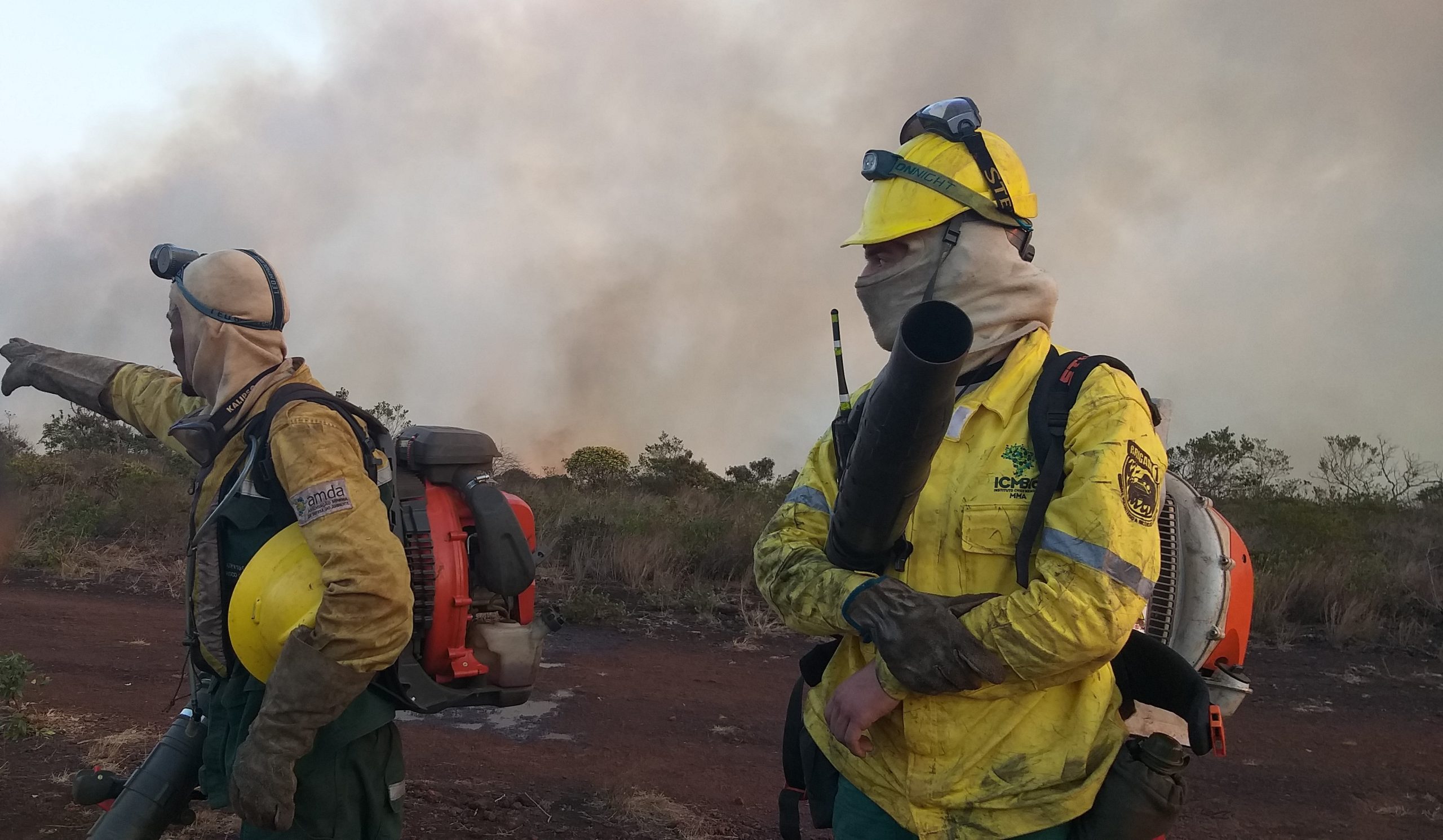
In the last two weeks of September, heat wave warnings were issued for several regions of Brazil. The situation is similar to what happened in the northern hemisphere between June and August, when we experienced record temperatures in countries like Italy and Spain. The Australian government has also issued warnings of high temperatures and the risk of forest fires. In 2023, forest fires were a cause for great concern in Europe and Canada.
The climate imbalance that generates global warming in some regions is one of the elements responsible for this panorama, but there are other such as El Niño, an atmospheric and oceanic phenomenon that warms the waters of the Pacific Ocean, resulting in an increase in average global temperatures. Deforestation and degradation of natural areas also reduce humidity and increase local temperatures, consequently increasing the risk of fires.
This scenario in Brazil, associated with the period of the year with the greatest drought in some regions, increases the risk of forest fires. The months of September and October are historically marked by news reports that bring haunting images of thousands of hectares of natural areas consumed by flames. Every year we hope that tragedies like those of 2020 in the Pantanal will not happen again. Faced with this threat, it is necessary to look beyond firefighting actions in already established emergency situations, but to consider an approach associated with Integrated Fire Management as an environmental conservation tool.
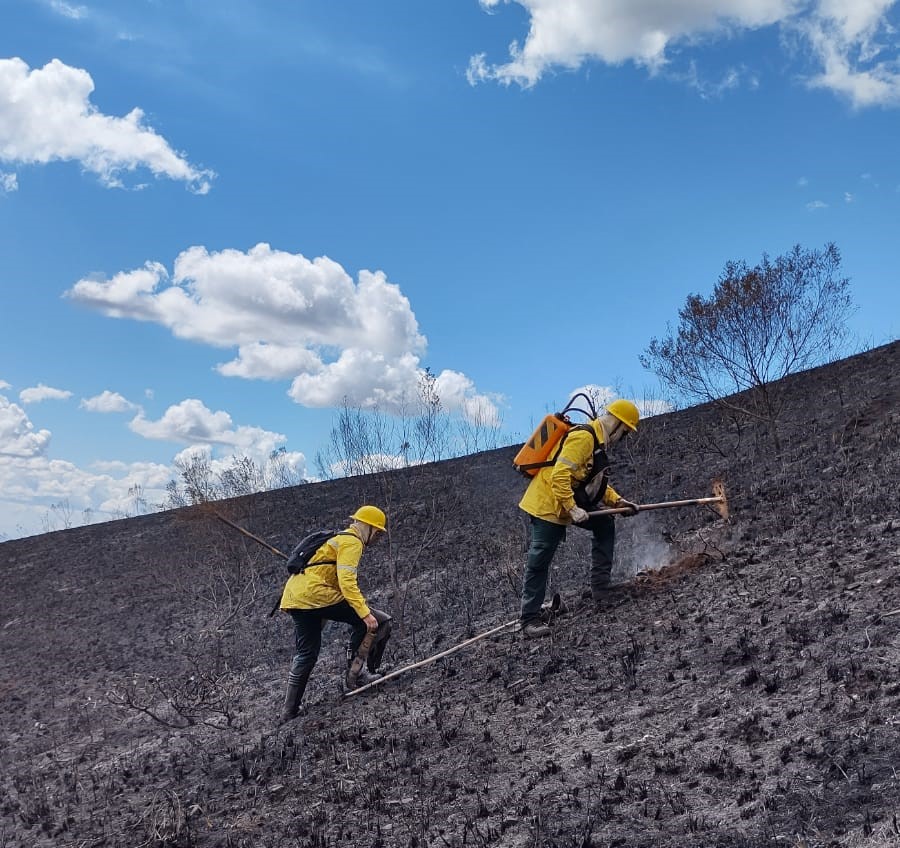
Integrated Fire Management (MIF – Manejo Integrado de Fogo) presents ecological, cultural, socioeconomic and technical aspects related to fire, with the aim of minimizing damage and maximizing benefits to natural environments and local populations. MIF activities include awareness-raising work on the cultural and socioeconomic use and ecological role of fire, social mobilization and environmental education, fire prevention, controlled and prescribed burning, detection and combating forest fires, in addition to ecosystem rehabilitation and damage mitigation .
“In addition to the volunteer and community brigades, there are also hundreds of volunteers who work individually or collectively in activities linked to integrated fire management, such as preventing and combating forest fires, environmental education, research and monitoring and recovery of degraded areas. The profile is also quite varied, including indigenous volunteers, extractivists, quilombolas, riverside dwellers and family farmers, among others”, explains Angela Pellin, coordinator of the Volunteering in Integrated Fire Management project, at IPÊ.
In the research performed by IPÊ, the greatest participation of individual volunteers occurred in Minas Gerais, the Federal District and in the Arco do Dematamento region, in Amazonas and Pará. This same study identified at least 130 protected areas, including conservation units, indigenous lands and quilombola territories declared as areas of activity for volunteer or community brigades, reinforcing the importance of these groups for the conservation of such spaces.
Volunteering in Integrated Fire Management
In addition to research, the Volunteering at MIF project has also held two national workshops to discuss the federal volunteering strategy in Integrated Fire Management. During the events, volunteer and community brigade members, representatives of the federal public authorities and organizations that work with MIF in different states of Brazil, discussed the scenario, opportunities and challenges of volunteering in the most diverse biomes of the country, aiming at construction and regulation of the future strategy. The next workshop is scheduled to be held in Brasília, in November.
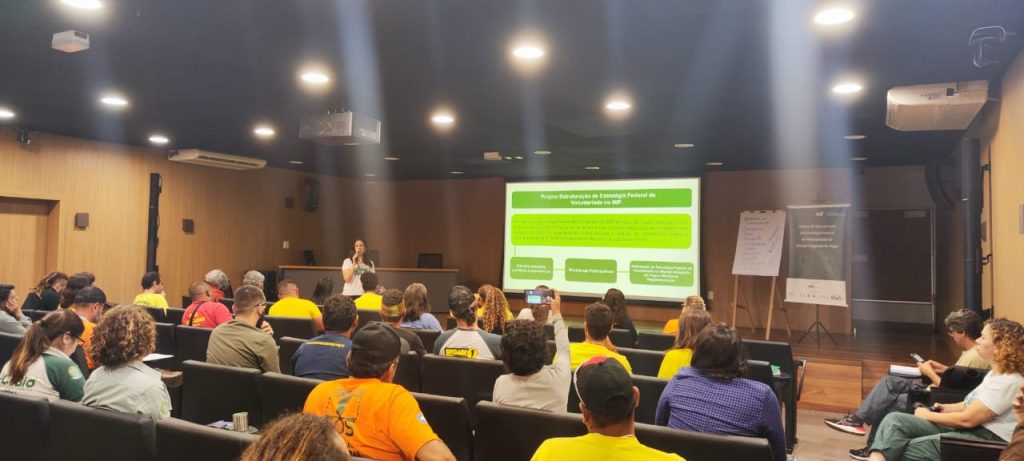
President of the Association of Indigenous Brigades of the Xerente people, in Tocantins, Bolivar Xerente praised the exchange of experiences held at the meetings and said that meeting other volunteer brigades strengthens and encourages MIF initiatives in the country. “Listening to reports from other firefighters from other territories and biomes helps us review our work and understand how our integrated fire management actions can be improved”, explains Bolivar.
“IPÊ believes in volunteering as a strategy for society’s engagement and participation in biodiversity conservation and facing climate challenges. Bringing together representatives from the government, civil society and volunteers to discuss the current scenario of integrated fire management is essential to recognize the positive impact of these initiatives”, highlights the project coordinator.
The president of Ibama, Rodrigo Agostinho, states that the project carried out by IPÊ is a way of giving visibility to MIF volunteering initiatives spread across Brazil. “People need to understand the importance of this type of management for forest conservation. Therefore, we support and encourage spaces like this, which help us better understand the dynamics, functionality and context of fire management for the environment”, says Agostinho.
The project is carried out by IPÊ in partnership with the Brazil-Germany Cooperation for Sustainable Development, through the Deutsche Gesellschaft für Internationale Zusammenarbeit (GIZ), the Integrated Fire Management Coordination (CMIF) of the Chico Mendes Institute for Biodiversity Conservation ( ICMBio), the National Center for the Prevention and Combat of Forest Fires (Prevfogo) of the Brazilian Institute for the Environment and Renewable Natural Resources (Ibama) and the Ministry of Environment and Climate Change (MMA)