MESSAGES

Photo: Ilana Bar/ Estúdio Garagem
Diverse portfolio of projects and initiatives
“The breadth of our work reflects the complexity of biodiversity conservation itself and the many interconnections it entails. To ensure that this diversity of initiatives does not become fragmented, everything we do is guided by a fundamental strategic framework that brings coherence and integration across our work.”
EDUARDO DITT,
IPÊ’s executive director
Read the full message here.

Photo: Ilana Bar/ Estúdio Garagem
Encouraging creativity to tackle challenges
“Fostering the understanding that challenges exist but can be addressed with creativity and dedication—especially when individual talents are placed in service of collective benefits—has proven both effective and promising.”
SUZANA PADUA,
IPÊ’s founder and president
Read the full message here.
OUR AREAS OF IMPACT
Click to explore where our initiatives take place
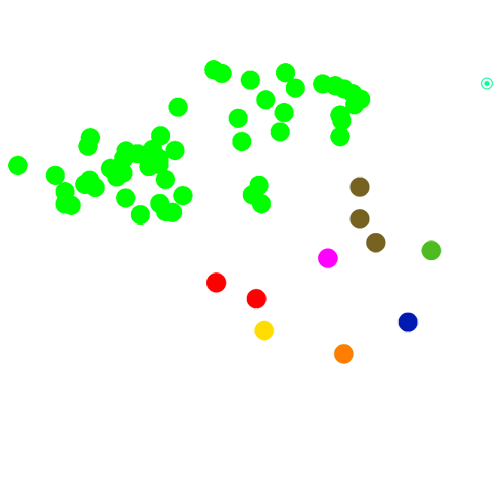
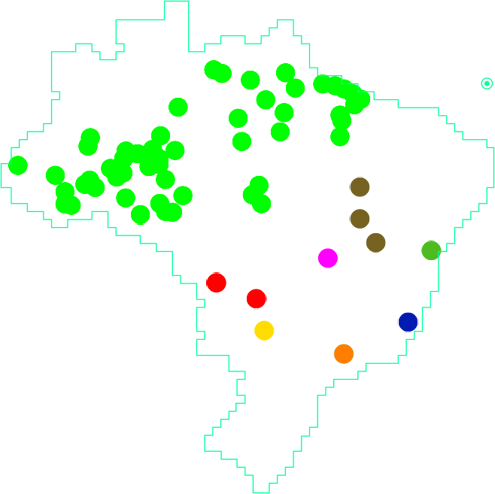
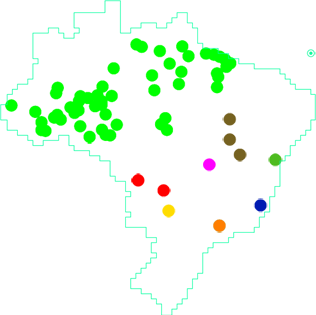
In the Amazon, we implement integrated solutions for biome conservation, including education and forest restoration initiatives. We also promote socioenvironmental entrepreneurship and support biodiversity monitoring in protected areas under forest concession.
Agroecology Network
LEARN +
Immersions (Lower Rio Negro)
LEARN +
LTCI – Lowland Tapir Conservation Initiative
LEARN +
LIRA - Integrated Legacy of the Amazon Region
LEARN +
Mapping Volunteer and Community Fire Brigades in the Legal Amazon
LEARN +
Monitoring Biodiversity in a Protected Area with Forest Concession
LEARN +
Navigating Entrepreneurial Education in the Amazon (Lower Rio Negro)
LEARN +
Reflora (Lower Rio Negro)
LEARN +
Southern Bahia is home to one of IPÊ’s ESCAS campuses. In the region, we also provide training for small-scale producers and family farmers and support the implementation of sustainable production systems and strategic forest corridors for biodiversity conservation.
ESCAS – School of Environmental Conservation and Sustainability
LEARN +
Environmental Leadership Training and Development Initiative
LEARN +
Prospera – Oriented and Sustainable Restoration Project for Ecological Production, Environmental Regeneration and Increased Income
LEARN +
In Espírito Santo, we promote education and technical training initiatives focused on landscape restoration in degraded areas and income generation for agrarian reform settlers and small-scale farmers.
CECSA-CLIMA – Center for Education and Socioenvironmental Cooperation for Climate
LEARN +
Education, Landscape and Community
LEARN +
Climate Landscapes
LEARN +
Third Bank of the Rio Doce
LEARN +
In the Pantanal and Cerrado, we conduct projects focused on the conservation of threatened species while fostering dialogue and coordinated action among different sectors in support of sustainability.
LTCI – Lowland Tapir Conservation Initiative
LEARN +
Conservation Units in the Pantanal
LEARN +
Pontes Pantaneiras Coalition
LEARN +
Together for the Pantanal – Strengthening Voluntary and Community Participation in Integrated Fire Management
LEARN +
Giant Armadillo Project
LEARN +
In the Pontal do Paranapanema region (São Paulo), we conduct forest restoration projects while promoting entrepreneurship linked to restoration activities that improve livelihoods and contribute to ecosystem services, including climate regulation. These restoration efforts also support our work to conserve the endangered black lion tamarin and other species that benefit from the same actions. Environmental education is a core component of these initiatives.
Agroforestry Coffee
LEARN +
Corridors for Life Project
LEARN +
LTCI – Lowland Tapir Conservation Initiative
LEARN +
Black Lion Tamarin Conservation Program (Programa de Conservação do Mico-Leão-Preto)
LEARN +
Community Nurseries (Viveiros Comunitários)
LEARN +
In Nazaré Paulista (SP), our activities focus on increasing the resilience of the Cantareira System and contributing to the water security of 7.5 million people. Through Climate Schools and volunteer programs, we encourage people to become agents of climate action. It is also home to our headquarters, the ESCAS campus, and the IPÊ Store.
ESCAS – School of Environmental Conservation and Sustainability
LEARN +
Climate Schools
LEARN +
IPÊ Store
LEARN +
Sowing Water Program
LEARN +
Volunteering for Biodiversity Conservation
LEARN +
IPÊ Headquarters
Brasília is home to our regional office.
Following three consecutive field expeditions (2023, 2024, and 2025), it is now confirmed that the lowland tapir is not extinct in the Caatinga. Populations of the species were discovered in areas of the biome in northern Minas Gerais, western Bahia, and southern Piauí—an important milestone for the conservation of this species, which is classified as Endangered. Studies in the region will begin soon.
LTCI – Lowland Tapir Conservation Initiative
LEARN +
For over two decades, the Sustainable Business Unit (UNS) has established strategic partnerships with the private sector, positioning the Institute as a benchmark in Cause-Related Marketing (CRM). Through the Wildlife Territories project, we operate across all Brazilian biomes except the Amazon. The initiative focuses on enhancing the management of critical terrestrial and marine territories for large-scale conservation, including the improvement of Conservation Unit management, connectivity beyond protected areas, public policy development, and knowledge dissemination.
Wildlife Territories
LEARN +
Sustainable Business Unit (UNS)
LEARN +
IPÊ BY THE NUMBERS 2025
7,875
people benefited from sustainable livelihood activities
5,308
people benefited from training programs and environmental education initiatives
384
people directly benefited from territorial management initiatives
+ than
3.7 million
tree seedlings planted for forest restoration
31,342
tree seedlings planted in sustainable production systems
6
wildlife species studied to support conservation
290
people enrolled in ESCAS courses
25
master's graduates
57
scholarships awarded
HIGHLIGHTS OF THE YEAR
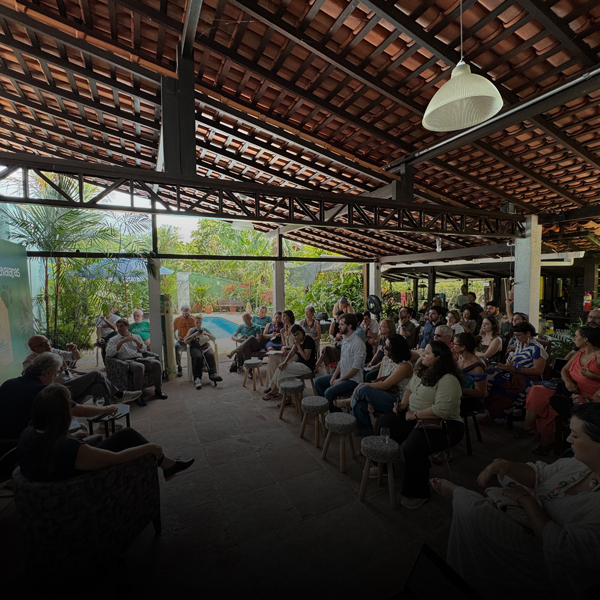
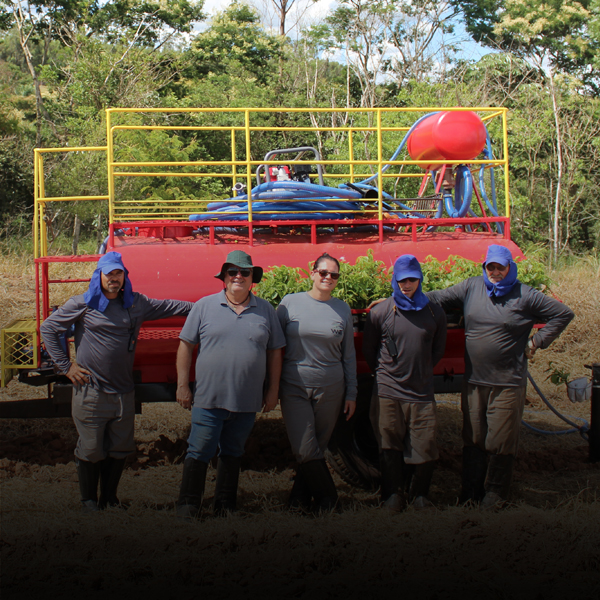
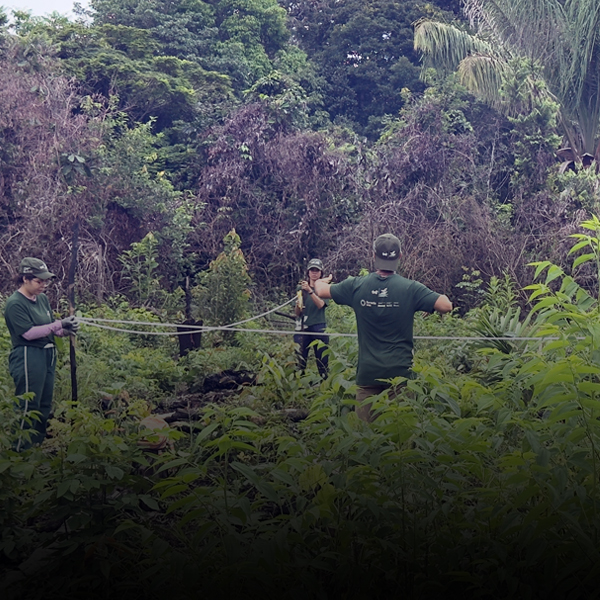
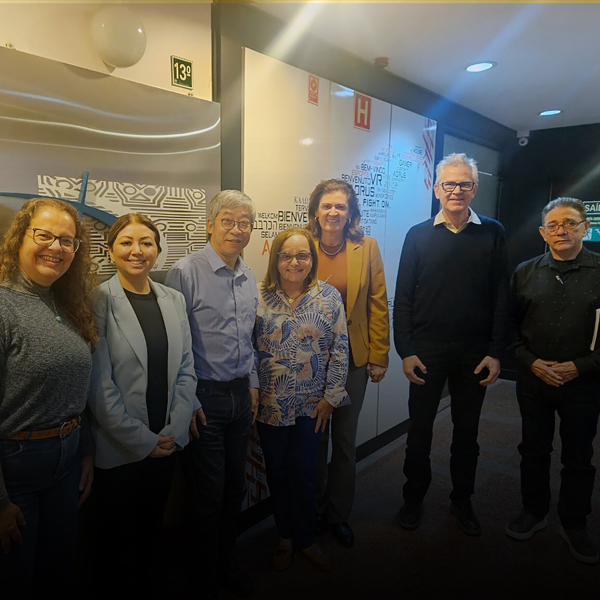
Check our outstanding actions in 2025
OUR PROJECTS
Five areas of action guide the organization of the initiatives presented in this Report: Applied Research, Science and Innovation; Restoration; Articulation and Networks; Education; and Sustainable Businesses. Across these interconnected areas, we promote actions that contribute to biodiversity conservation, improved quality of life, and responses to the impacts of climate change.
CLICK TO EXPLORE THE PROJECTS AND THEIR PROGRESS

APPLIED RESEARCH, SCIENCE AND INNOVATION
IPÊ turns research on species conservation and sustainable production systems into practical actions for biodiversity conservation. Our goal is to integrate traditional knowledge and the engagement of local communities with technical and scientific expertise, as we believe this approach is essential for generating innovative solutions that contribute to a more just and sustainable world.
BLACK LION TAMARIN CONSERVATION PROGRAM
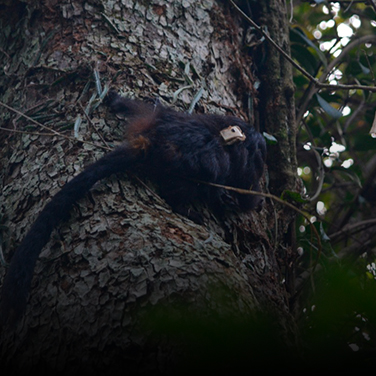
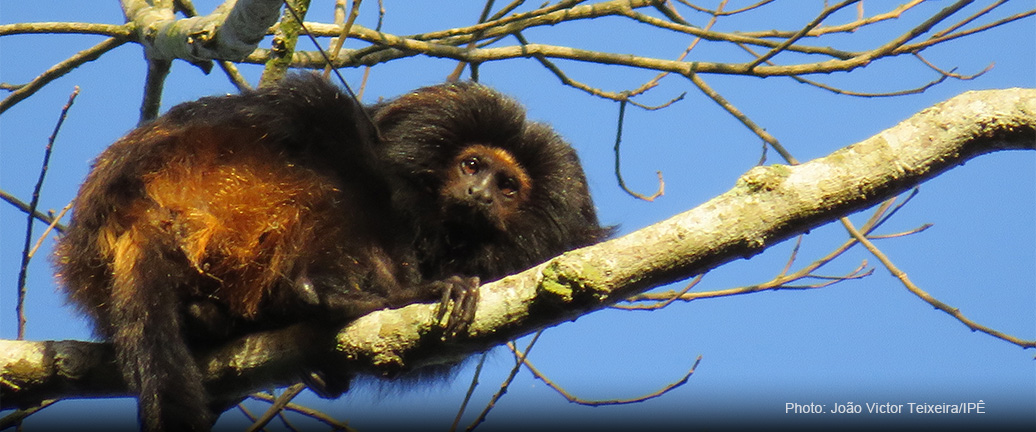
IPÊ’s journey started over four decades ago with pioneering efforts to conserve the black lion tamarin (Leontopithecus chrysopygus) in the Pontal do Paranapanema region, western São Paulo state. Our work contributed to improving the species’ status on the IUCN Red List, moving it from the more critical category of Critically Endangered to Endangered. Among the actions carried out were the identification of more than 10 black lion tamarin populations and the strategic translocation of 27 individuals from six distinct groups, which resulted in the establishment of a new population and the strengthening of another that faced a high risk of extinction.
We also promote forest restoration and environmental education through school activities and educational trails. In addition to direct species management, our work has contributed to the creation of the Black Lion Tamarin Ecological Station and the Black Lion Tamarin Special Protection Area (São Paulo Foundation for the Conservation and Forestry Production of the State of São Paulo – Fundação Florestal). As a result, all known populations of the species are now found within protected areas.
KEY RESULTS IN 2025:
A second group of black lion tamarins (4 individuals) was translocated from Morro do Diabo State Park to a Legal Reserve fragment on San Maria Farm. Individuals from this group and from the previous translocation carried out in 2024 formed two new groups with tamarins already present in the area.
35 people participated in training on the use of the Pedagogical Support Manual for Elementary School Educators in Teodoro Sampaio (SP), expanding the reach of this educational resource.
Over 1,100 students from state and municipal schools, including schools located in rural settlements, engaged in environmental education activities.
Over 3,000 visitors explored the Black Lion Tamarin Trail, and 20 guides were trained to lead activities in the municipalities of Teodoro Sampaio and Piratininga, both in the state of São Paulo.
Launch of assessments in fragments of the Black Lion Tamarin Ecological Station, aimed at supporting population management planning through the application of the Rapid Population Assessment Protocol.
3 scientific articles published.
NEXT STEPS:
Looking ahead, efforts will continue with the application of the Rapid Population Assessment Protocol to complete assessments of habitat fragments across different conservation areas, the implementation of the population management program, and the monitoring of translocation outcomes. Activities using the Pedagogical Support Manual for Elementary School Educators in Teodoro Sampaio will continue, and the Climate Schools initiative will be implemented in the region. In addition, the Black Lion Tamarin Run will be consolidated within the municipal calendar of Teodoro Sampaio. As researchers participating in the Black Lion Tamarin Population Management Program (PMP-MLP), a public policy initiative aimed at ensuring the long-term viability of black lion tamarin populations, we will expand conservation actions to the Middle and Upper Paranapanema regions through activities at the Caetetus Ecological Station (São Paulo Foundation for the Conservation and Forestry Production of the State of São Paulo – Fundação Florestal) and Capão Bonito National Forest (ICMBio).
LTCI - LOWLAND TAPIR CONSERVATION INITIATIVE
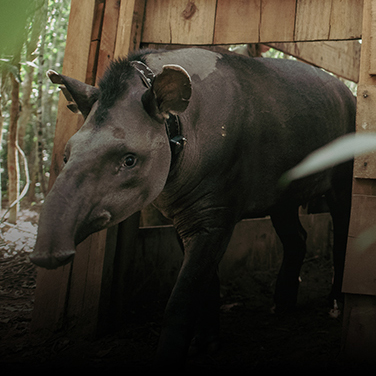
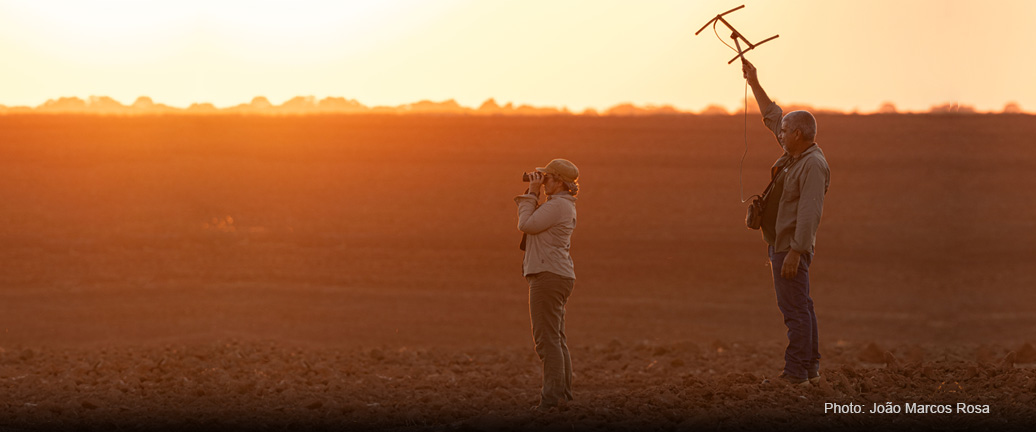
LTCI-IPÊ celebrates 30 years of operation in 2026. It is the world’s longest-running tapir research and conservation project and has been recognized with 10 international awards, including the Whitley Gold Award, often referred to as the “Oscars” of conservation. Over the past three decades, LTCI-IPÊ has built the world’s largest database on the lowland tapir (Tapirus terrestris) and is recognized as a leading reference in both basic and applied research focused on tapir ecology, health, genetics, and habitat conservation.
The project was initially established in the Atlantic Forest and later expanded to the Pantanal (2008), Cerrado (2015), Amazon (2021), and Caatinga (2023). In the latter biome, the species presence was confirmed despite previously being considered regionally extinct. Each region presents a distinct set of threats to the species.
Today, LTCI-IPÊ operates through six strategic areas for lowland tapir conservation: Scientific Research; Population Modeling and Action Planning; Environmental Education, Campaigns and Outreach; Training and Capacity Building; Scientific Tourism; and Communication.
KEY RESULTS IN 2025:
Support provided for the development of ICMBio’s new National Action Plan (PAN) for the conservation of the lowland tapir.
Filming of the documentary Tapir – The Film, in partnership with Nitro Histórias Visuais and Tocha Filmes, in preparation for INCAB-IPÊ’s 30th anniversary celebrations in 2026.
Record numbers of captures and data collection achieved across all expeditions, with 46 individuals captured and 13 fitted with satellite telemetry collars.
3 scientific articles published.
NEXT STEPS:
Looking ahead, priorities include celebrating the project’s 30th anniversary in 2026, highlighting the release of the first documentary dedicated to the species. Among additional priorities are establishing study areas in the Caatinga biome and publishing at least 10 scientific articles during 2026.
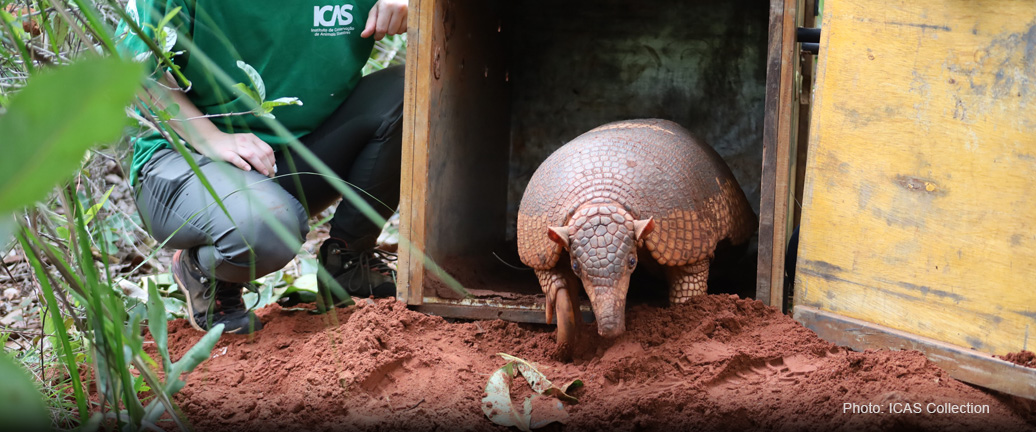
GIANT ARMADILLO PROJECT
Research to better understand the habits, health, and behavior of the giant armadillo (Priodonte maximus) is being conducted since 2010 and has already contributed to the creation of protected areas and conservation corridors in the state of Mato Grosso do Sul. The project is carried out by IPÊ in partnership with ICAS – Wild Animal Conservation Institute and promotes efforts to reduce conflicts between beekeepers and giant armadillos through the Giant Armadillos and Beehives initiative. The project also supports the formation of community fire brigades in Nhecolândia, in the Pantanal, covering an area of 1,600 km² and involving 23 ranches.
KEY RESULTS IN 2025:
10 expeditions conducted in the Pantanal, resulting in 8 recaptures and the deployment of GPS tags on 5 new individuals for monitoring purposes.
Isabel, a giant armadillo over 20 years old that has been monitored by the project since 2011, continues to be recorded by camera traps.
12 scientific articles published.
6 international conservationists and 9 Brazilian conservationists participated in training activities at the project’s study sites in the Pantanal and Cerrado.
3 rural schools, reaching approximately 60 young people, benefited from educational activities focused on biodiversity conservation and fire prevention, in partnership with Ibama/Prevfogo.
NEXT STEPS:
Long-term studies will continue, focusing on adult females to monitor and collect data on reproduction. We will implement a pilot project and develop an operational fire management plan for 6 ranches within the study areas. Training activities for wildfire brigade members will also continue across the 23 ranches participating in the program.
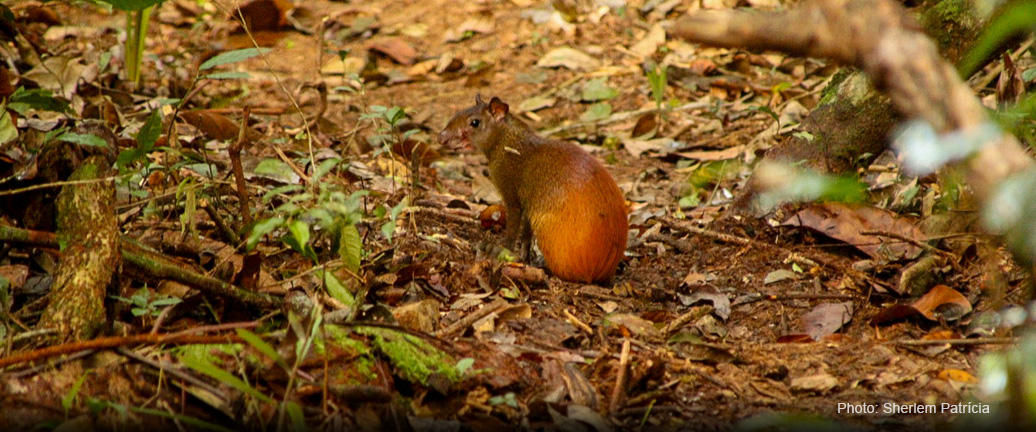
MONITORING BIODIVERSITY IN A PROTECTED AREA WITH FOREST CONCESSION
Through this project, we monitor conserved and sustainably managed areas within the Caxiuanã National Forest (Flona), in the state of Pará, where Benevides Madeiras operates under a forest concession. The project is supported by the United States Forest Service and carried out in partnership with ICMBio, Ibama, the Brazilian Forest Service (SFB), the Emílio Goeldi Museum of Pará, the Rio de Janeiro Botanical Garden, and the New York Botanical Garden.
All partners are members of an Interinstitutional Working Group (IWG), which is responsible for planning, implementing, and monitoring the actions of this project. Among the results achieved to date is the implementation of the Monitora Program (Monitoring Program), coordinated by ICMBio, within the National Forest, including the application of forest monitoring protocols under both the basic and advanced modules. We also launched a pilot initiative for a new timber monitoring protocol focused on managed species. Communities, project leaders, and managers are encouraged to engage with the project through discussions and the Knowledge Exchange Gatherings.
KEY RESULTS IN 2025:
Implementation of Monitora Program protocols for biodiversity monitoring in areas under sustainable forest management, expanding the national Monitora System database and strengthening the Brazilian Forest Service’s work with evidence on biodiversity conservation in forest concessions.
Consolidation of 2024 Monitora data demonstrating that well-managed forests maintain their capacity to retain biomass and carbon, reinforcing their role in conservation and climate change mitigation.
Implementation of the Encontro de Saberes (Knowledge Exchange Gathering), a key pillar of the Monitora Program designed to foster dialogue between local community knowledge and technical-scientific knowledge. IPÊ has supported the implementation and institutionalization of this social technology since its creation in 2019.
Implementation of the third cycle of the Monitor Training Course, enhancing local capacities and community engagement in monitoring activities.
Data collection performed for the third consecutive year, expanding the historical series and enhancing the robustness of biodiversity information in the region.
26 participants took part in the Knowledge Exchange Gathering and monitoring course, 27% of whom were women, considering all attendees involved in the activities.
Of the 10 monitors involved, 3 women conducted field monitoring activities.
NEXT STEPS:
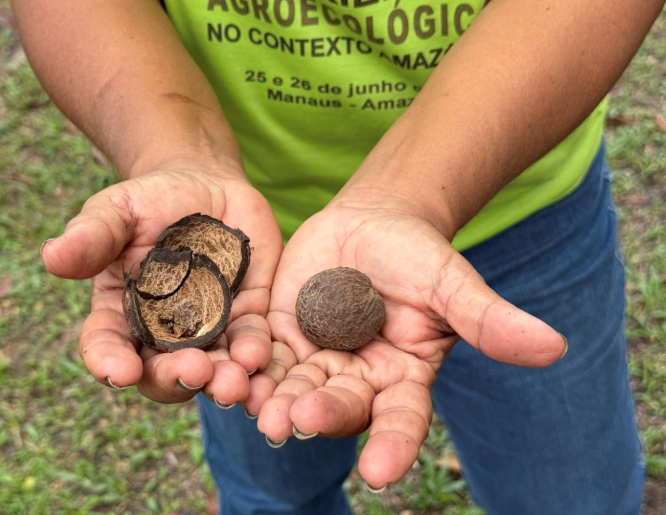
Beginning in 2026, biodiversity monitoring in the Caxiuanã National Forest will be led by ICMBio with its own resources and support from local partners. Also within the National Forest, we will implement a project to strengthen non-timber forest management, focusing on Brazil nuts, in partnership with the Brazilian Forest Service, local communities, ICMBio, and the Emílio Goeldi Museum of Pará.
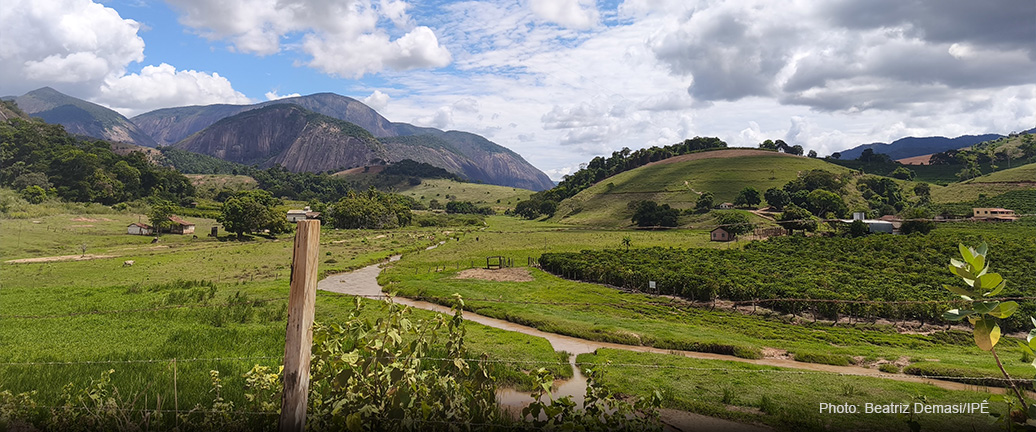
THIRD BANK OF THE RIO DOCE
Through this initiative, we mapped and assessed the vulnerability of fauna and flora species affected by illegal extractive activities throughout the Rio Doce Basin, from Mariana in the state of Minas Gerais to Linhares in the state of Espírito Santo, including the study of new dynamics that emerged following the Fundão dam collapse in 2015. We conducted surveys with local communities to identify their main uses of and interactions with biodiversity.
The next phase of the project aims to propose development opportunities and actions based on the sustainable use and management of natural resources through network-based environmental education, the appreciation of traditional knowledge, ecological and productive restoration, youth retention in rural areas, community-based tourism, and the strengthening of sociobiodiversity value chains. The findings contribute to the Action Plan for the Conservation of Terrestrial Biodiversity in the Rio Doce Basin, developed under the Rio Doce Basin Reparation Program established through the New Rio Doce Agreement.
KEY RESULTS IN 2025:
Completion of the identification, characterization, and mapping of priority areas throughout the Rio Doce corridor for biodiversity conservation, ecological restoration, and landscape connectivity.
Completion of the mapping and engagement of stakeholders, organizations, and institutions throughout the Rio Doce corridor, including proposals for collaborative networks and territorial governance strategies aimed at strengthening integrated socioenvironmental actions.
Survey of 342 plant species, including 246 native to the region, based on 1,233 recorded citations.
Medicinal use was identified as the primary use by local communities (43%), highlighting the strong connection with traditional knowledge. Food use ranked second, representing 27% of citations.
Only 10% of the cited plant species are commercialized, revealing largely untapped potential for income generation through sociobiodiversity products.
38 native plant species identified with potential for the development of sustainable and sociobiodiversity value chains., including cambucá, genipap, juçara, pitanga, uvaia, sapucaia, jatobá, cajá-mirim, and clove vine.
Approximately 50% of the animal species cited were associated with some form of extractive interaction, including hunting, capture, captive breeding for trade, or consumption, highlighting the need for enforcement and environmental education actions.
The most frequently cited animal species in the interviews, considering different types of interaction ranging from extractive use to observation, were capybara, tegu lizard, saffron finch, opossum, and jacu.
The most frequently cited plant species, reflecting community knowledge and use, were cajá-mirim, Brazilian peppertree, guavas, sapucaia, and genipap.
3 scholarships linked to ESCAS.
NEXT STEPS:
We will map sociobiodiversity value chains across an expanded area of the Rio Doce Basin, while also conducting market analyses, promoting institutional arrangements, and providing support to community associations through a partnership with the Ministry of the Environment and the Federal University of Espírito Santo.
CLIMATE LANDSCAPES
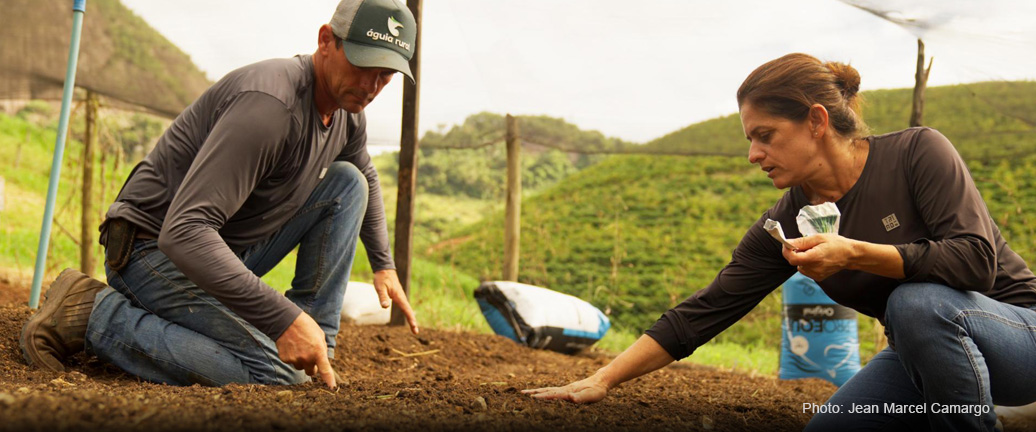
The project aims to create sustainable multifunctional landscapes in the Pontões Capixabas region, in Espírito Santo state, where environmental degradation has contributed to desertification processes. We provide technical training for family farmers, agrarian reform settlers, and extractivists to promote the integration of production, conservation, and landscape connectivity. Specific actions are developed for rural youth and women.
The project includes the design of 3 ecological corridors to connect forest fragments, the implementation of 4 Demonstration Units using Nature-based Solutions (NbS) as a strategic approach, and support for public policies that promote climate-resilient landscapes in the Rio Doce Basin, also located in Espírito Santo state.
In 2025, we signed a Memorandum of Understanding with the National Secretariat for Traditional Peoples and Communities and Sustainable Rural Development (SNPCT/MMA) to support the development of the National Program for Environmental and Socioproductive Management of Rural Landscapes (Gestar Program). The partnership aims to strengthen integrated rural landscape management by addressing environmental, economic, and sociocultural dimensions associated with climate change adaptation and mitigation needs.
KEY RESULTS IN 2025:
The integrated landscape assessment of 217 properties identified approximately 1,000 hectares as priorities for ecological restoration and environmental compliance, with an average of 4.6 hectares of environmental liabilities per property.
4 Demonstration Units implementing Nature-based Solutions established, including agroforestry and silvopastoral systems, agroecological production, and spring restoration.
Support provided for the commercialization of specialty coffees produced by project beneficiaries.
60 families located along the ecological corridors benefited from participatory planning and environmental compliance actions on their properties.
270 seedlings planted for forest restoration and an additional 1,342 seedlings allocated to sustainable production systems
Integrated workshops conducted jointly with the CECSA-Climate project to support the participatory development of the Territorial Cooperation Plan.
NEXT STEPS:
Looking ahead, we plan to expand the number of Demonstration Units from 4 to 21. The project will also be integrated into another initiative, Structuring and Strengthening the Espírito Santo Agroecology and Sociobiodiversity Network, approved under the Ecoforte program (Banco do Brasil Foundation and BNDES), enabling the continuity and expansion of these actions.
RESTORATION
It is our vision that restoring forests in degraded areas is one of the most effective ways to recover ecosystems and the benefits they provide. Our initiatives in this area take place in the Atlantic Forest and the Amazon, two biomes that play a critical role in climate regulation. Beyond planting native seedlings, these projects contribute to job creation and local economic development by supporting restoration-related activities such as nursery operations and seedling maintenance.
CORRIDORS FOR LIFE PROJECT
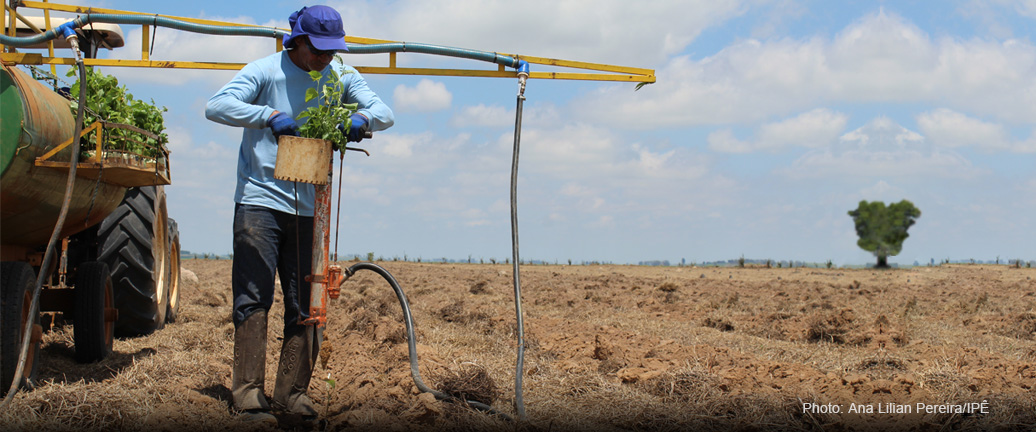
Over the past 25 years, we have planted 12.2 million seedlings across more than 7,000 hectares in the Pontal do Paranapanema region, western São Paulo state. Among the highlights is the creation of the largest restored corridor in the Atlantic Forest, spanning 12 km and comprising 2.4 million trees.
Through the project, we strengthen the forest restoration value chain by purchasing seedlings from local nurseries and supporting entrepreneurship through planting and maintenance companies. Areas selected for restoration are guided by the Mapa dos Sonhos (“Dream Map”), which aims to connect two of the region’s main Conservation Units—the Morro do Diabo State Park and the Black Lion Tamarin Ecological Station—through forest restoration in Permanent Preservation Areas (APPs) and Legal Reserves (RLs) located on private rural properties. The map prioritizes areas that are strategic for biodiversity conservation. Ultimately, the goal is to restore the diversity of life that once existed there.
Throughout this journey, we have accumulated extensive knowledge and experience in large-scale restoration.
Since 2021, through the ARR Corridors for Life Project, we have expanded our area of operation from 7 to 30 municipalities, focused on generating carbon credits through a partnership between IPÊ and Biofílica, with funding from AstraZeneca. By 2041, the project aims to restore 75,000 hectares. In 2025, the project reached the milestone of 2,000 hectares restored per year, representing a 1,000% increase compared to 2020.
Since its early stages, community engagement has been one of the project’s core pillars. Regular gatherings known as ConsCiência Fridays are held to share research challenges and advances while listening to participants’ perspectives.
KEY RESULTS IN 2025:
3,761,650 native Atlantic Forest tree seedlings planted across 1,910 hectares under restoration.
21 planting and maintenance companies established and supported, representing a 90% increase compared to the previous three years.
Participatory development of the Human Rights Policy for the Forest Restoration Value Chain, supporting the identification and management of risks.
4 editions of ConsCiência Fridays held, involving 432 participants and addressing topics such as women in restoration, wildfires, the Forest Code, and the human-wildlife coexistence plan.
Creation of the Gender Equity Working Group (Grupo de Trabalho da Equidade de Gênero – GTEG), with the goal of ensuring integrity in the treatment of women in the restaurant industry.
5 scientific articles published.
NEXT STEPS:
Next we will hold annual editions of ConsCiência Fridays dedicated to women and continue regular meetings of the Gender Equity Working Group (GTEG). We will also launch the Human-Wildlife Coexistence Plan in the Pontal do Paranapanema region to promote harmonious coexistence between people and wildlife that has returned to the region as a result of the ecological corridors.
PROSPERA
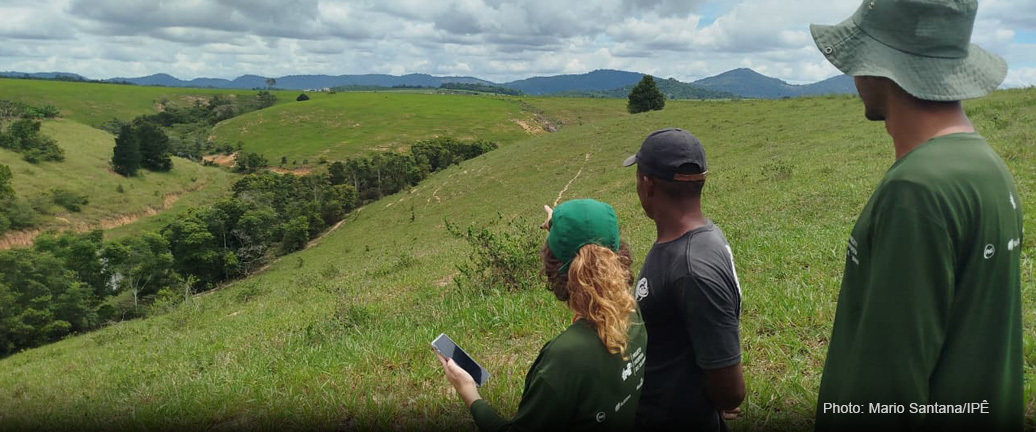
In southern Bahia, the PROSPERA Project – Oriented and Sustainable Project Restoration Project for Ecological Production, Environmental Regeneration and Increased Income promotes ecological restoration in a portion of the Central Atlantic Forest Corridor across the municipalities of Alcobaça, Prado, Porto Seguro, and Itamaraju. Since 2024, the project has enabled the restoration of 25 hectares of Permanent Preservation Areas (APPs) surrounding Monte Pascoal and Descobrimento National Parks, connecting 7,871 hectares of forest remnants and private lands. The project promotes Nature-based Solutions (NbS) that reconcile biodiversity conservation, sustainable land use, and local development through ecological restoration, agroforestry systems, and silvopastoral systems. Activities are carried out in collaboration with rural landowners and through participation in regional forums that foster dialogue on biodiversity conservation, sustainable production, and local development.
The project is funded by Procter & Gamble, Suzano Papel e Celulose, and the Sol de Janeiro Foundation.
KEY RESULTS IN 2025:
25,283 seedlings planted, representing 41 native tree species from the region.
Implementation of planting activities across 25 hectares of ecological restoration in Permanent Preservation Areas (APPs).
Expansion of activities to the municipality of Alcobaça through the implementation of forest restoration and an agroforestry coffee system.
NEXT STEPS:
Going forward, we will formalize new partnerships to expand connectivity among strategic forest remnants in the region. We will also implement a training plan with courses and seminars for rural producers, technical professionals, and local institutions. We will also establish monitoring protocols for biodiversity, vegetation cover, and landscape connectivity in restored areas.
SOWING WATER PROGRAM
The Sowing Water Program works to enhance the Cantareira System, capable of supplying water to more than 9 million people in the São Paulo Metropolitan Region, as well as the municipalities of Campinas and Piracicaba. Our actions focus on forest restoration, the implementation of sustainable production systems, training activities, and engagement with schools and communities to promote water resilience.
Currently, 36 rural properties serve as Demonstration Units, recognized as references for increasing landscape connectivity, carbon storage in biomass, and rainwater infiltration, thereby contributing to greater water resilience and biodiversity conservation within the Cantareira System. To date, we have trained more than 740 people in sustainable agricultural production practices, fostering engagement in land-use conversion.
We also generate scientific knowledge that supports the expansion of soil, water, and biodiversity conservation strategies in the region. Furthermore, we contribute to local public policies and encourage the formation of Socioenvironmental Collectives to strengthen resilience to climate change through the Climate Schools project.
KEY RESULTS IN 2025:
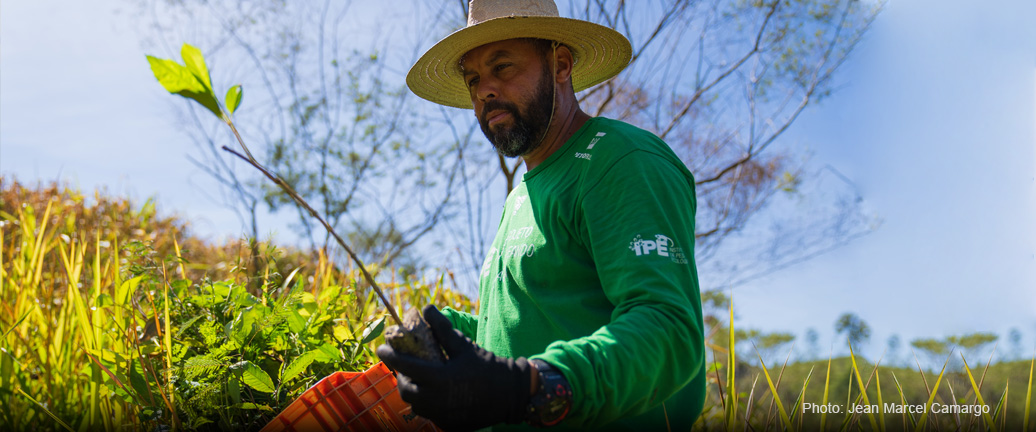
25,000 native tree seedlings planted for ecological restoration.
22,000 native tree seedlings planted in sustainable production systems.
A study estimated the potential generation of more than 49 million tonnes of carbon credits over a 40-year period in the Piracicaba, Capivari, and Jundiaí (PCJ) river basins.
100 hectares in the Cantareira System region converted to improved pasture management, 50 hectares to multifunctional forests, and 10 hectares to ecological restoration through the Refloresta SP Program—a consortium between IPÊ and the São Paulo State Secretariat for Environment, Infrastructure and Logistics.
Launch of the methodology that will enable the expansion of Climate Schools throughout Brazil.
33 participants were present at courses and workshops on stingless beekeeping, juçara palm management, and agroforestry systems.
16 families benefited from technical assistance for the planning and environmental compliance of their rural properties.
NEXT STEPS:
In the coming year, we will take an important step forward by expanding our activities to the Piracicaba, Capivari, and Jundiaí (PCJ) Basin. We will also expand Climate Schools to four municipalities in the Cantareira System region (Joanópolis, Piracaia, Mairiporã, and Bragança Paulista). Finally, we will develop a functional connectivity map for the Cantareira region based on biodiversity data.
We plan to explore partnerships capable of providing financial support for scaling up more sustainable land-use practices and climate-focused environmental education.
REFLORA – ECOLOGICAL RECOVERY AND IMPLEMENTATION OF MULTIFUNCTIONAL AGROFORESTRY SYSTEMS
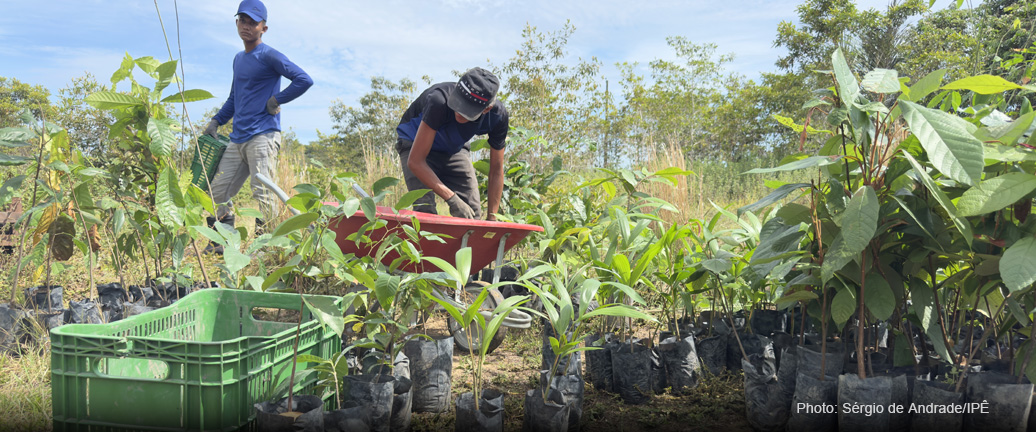
The project restores degraded areas within the Puranga Conquista Sustainable Development Reserve (RDS), the Lower Rio Negro region near Manaus in the state of Amazonas. This work is carried out through three complementary strategies: planting native tree seedlings, training people in seed collection, and establishing nurseries to expand the restoration value chain. To date, 67 hectares have been implemented.
The project also collaborates with institutions and universities to organize events and courses focused on the ecological restoration value chain, with a special focus on local communities. Through these efforts, the project contributes to biodiversity conservation, food security, and income generation. The initiative is part of Floresta Viva Amazonas, a program of the Brazilian Biodiversity Fund (Funbio).
KEY RESULTS IN 2025:
8,000 tree seedlings planted, representing species of food, cultural, economic, and ecological importance to local communities.
Prospecting and participatory planning completed for 112 hectares of areas scheduled for restoration in 2026.
Support provided for the implementation of 4 community nurseries, each with an annual production capacity of 10,000 seedlings.
Articulation with institutions and universities to strengthen the production chain of tucumã palm (Astrocaryum aculeatum G.Mey.), a species of major food and economic importance in the region.
50 people (39 women) and 21 families benefited from specialized training, technical assistance, and the implementation of restoration areas on their properties.
75 participants engaged in workshops, an ecological restoration course, and meetings of the RDS management council.
NEXT STEPS:
We will establish a network of seed collectors and continue coordinating with other institutions across Amazonas state to scale up forest restoration efforts. We will also complete the goal of restoring 220 hectares through ecological restoration activities by early 2028.
ARTICULATION AND NETWORKS
We foster collective action and collaboration among communities, civil society organizations, companies, and government institutions as we believe that sharing different forms of knowledge and experience is essential for addressing complex challenges such as climate change and biodiversity loss. Through these connections, we build integrated solutions and expand the positive impacts generated by our work.
LIRA – INTEGRATED LEGACY OF THE AMAZON REGION
The LIRA Fund is a mechanism that combines project financing with structural actions aimed at territorial development. The model connects community organizations, researchers, public managers, companies, and civil society networks to implement conservation solutions at scale. The initiative is structured around: financing combined with institutional development; action at a territorial scale rather than through individual projects; integration of scientific knowledge and local knowledge; development of sociobioeconomy value chains; and continuous monitoring and evaluation of results. The Fund’s structure combines public and private resources, supported by strategic partners such as the Amazon Fund/BNDES and the Gordon and Betty Moore Foundation, with IPÊ acting as the implementing organization responsible for coordinating and executing the initiative.
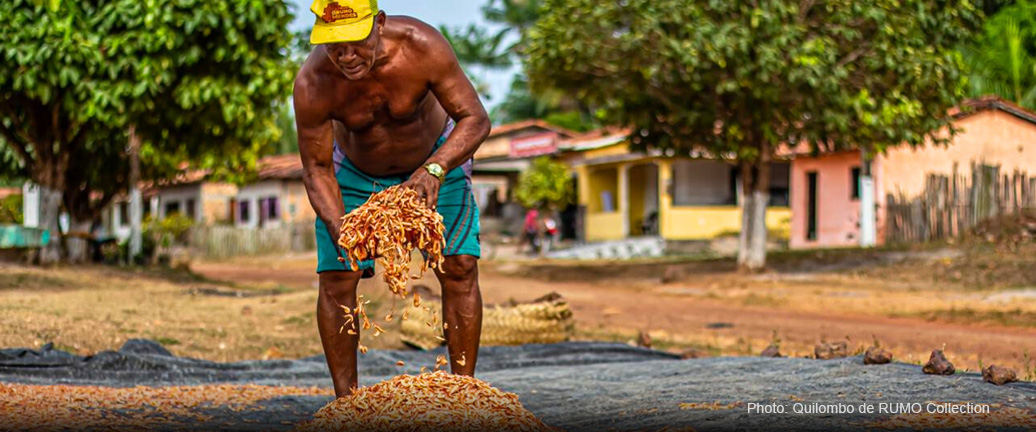
LIRA was launched in 2019 and completed its first cycle in 2024. In 2025, the Fund entered its second cycle, expanding its reach and reinforcing its commitment to long-term territorial development in the Amazon. To date, the initiative has generated the following cumulative results: 103 projects supported, 27 value chains strengthened, 91 protected areas across seven states of the Legal Amazon, 45,175 direct beneficiaries, and BRL 50 million invested. Through these efforts, protected areas are strengthened as strategic territories for biodiversity conservation, climate resilience, and social inclusion while safeguarding forests, water resources, and the well-being of traditional peoples and communities.
KEY RESULTS IN 2025:
Selection and implementation of 53 community projects involving 18 value chains (community-based tourism, artisanal fisheries, Brazil nuts, pirarucu, among others).
57 Protected Areas (62,897,748 hectares across seven states in the Amazon) covered by the selected projects.
262 people benefited from training activities: 45 public managers and 217 Indigenous people, community members, and quilombolas.
Policy engagement related to the National Sociobioeconomy Policy and tax reform.
1 scientific article published.
NEXT STEPS:
Key priorities include the completion of the 53 projects implemented by local organizations participating in the second cycle of the LIRA Fund, the delivery of the LIRA Fund Institutional Development Learning Journey, comprising seven courses, the organization of the integration and results event (Amazon Legacy Seminar – Seminário Legado Amazônico), and the publication of the Cycle 2 Results Magazine, as well as a scientific article and three technical series.
PONTES PANTANEIRAS COALITION
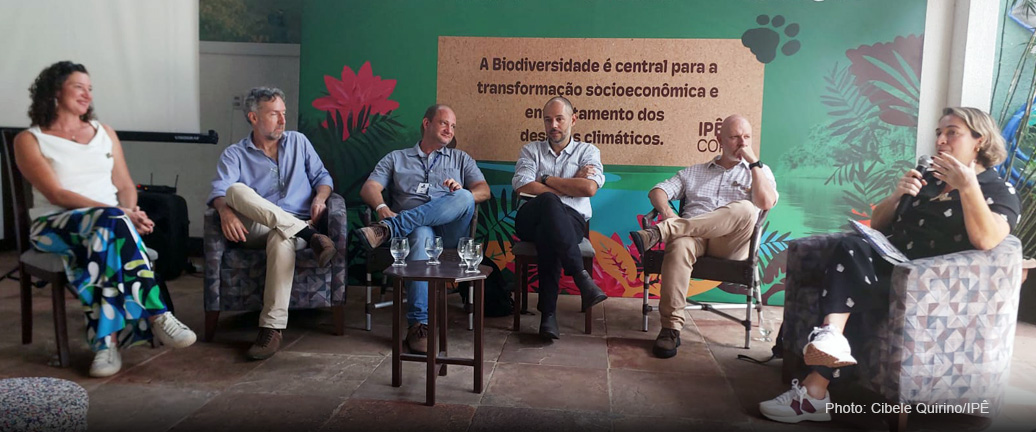
Pontes Pantaneiras Coalition: Connecting people, culture and biodiversity for sustainability works to strengthen conservation and sustainable development in the Pantanal by valuing and promoting the region’s people, cultures, and natural capital. Its main strategies include integrating local stakeholders, encouraging the adoption of sustainable practices, and disseminating scientific knowledge. To achieve this, the initiative facilitates spaces for dialogue and collective action, such as the Pontes Pantaneiras Forum and the Pontes Pantaneiras Laboratory, as well as workshops focused on livestock production that resulted in the Collaborative Plan for the Promotion of Sustainable Livestock Production in the Pantanal.
The Coalition is a collaborative initiative led by IPÊ, Embrapa Pantanal, the Smithsonian Institution, The Pew Charitable Trusts, and University College London (UCL), with institutional partnerships from Fazenda Barranco Alto, Ágora Comunicação Estratégica e Assuntos Públicos, Panthera, the Famato System, the 5P Alliance Association, and the Ministry of the Environment and Climate Change, in addition to collaboration with various institutions and leaders from the Pantanal region.
KEY RESULTS IN 2025:
Completion of the Collaborative Plan for the Promotion of Sustainable Livestock Production in the Pantanal through a workshop that brought together 44 participants (23% women and 10% young people up to 34 years of age).
8 properties (110,000 hectares) became pilot farms for the Sustainable Pantanal Farm Integrated Solution (FPS) platform in Mato Grosso do Sul, which monitors environmental, sociocultural, production, and animal welfare indicators on rural properties.
Collective announcement at COP30 supporting the implementation of the FPS across 2 million hectares of the Pantanal by 2030, including the Government of the State of Mato Grosso, the Famato System, the Pontes Pantaneiras Coalition, The Pew Charitable Trusts, the 5P Alliance Association, and Embrapa Pantanal.
2 scientific articles published.
48 people engaged, including representatives from universities, companies, government agencies, civil society organizations, rural landowners, and livestock association leaders.
NEXT STEPS:
Key priorities include monitoring and advancing the Collaborative Plan for the Promotion of Sustainable Livestock Production in the Pantanal (Plano Colaborativo de Valorização da Pecuária Sustentável no Pantanal), expanding the Sustainable Pantanal Farm Integrated Solution, supporting pathways for the recognition of conserved areas and other territorial instruments, and developing approaches that transform scientific evidence and territorial knowledge into concrete actions to inform decision-making and scale up conservation across the biome.
PANTANAL CONSERVED AREAS
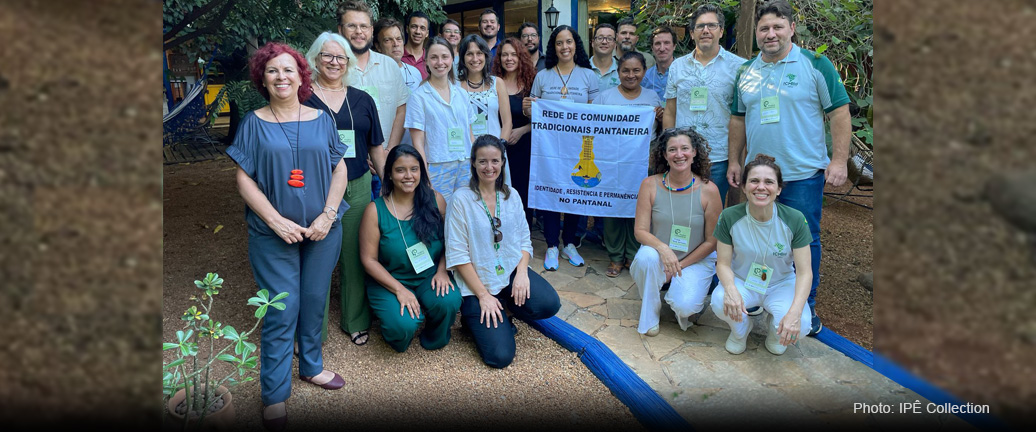
This line of action was launched in 2023 as part of the Pontes Pantaneiras Coalition and, in 2025, was consolidated as an IPÊ-led initiative aimed at strengthening the management of Conservation Units and contributing to the creation of new conservation areas in the Pantanal through local engagement and technical assistance. Since its inception, the initiative has been implemented by IPÊ in partnership with University College London (UCL), the Smithsonian Institution, The Pew Charitable Trusts, and Chico Mendes Institute for Biodiversity Conservation (ICMBio). In 2025, the Delta do Salobra Institute also joined the partnership.
KEY RESULTS IN 2025:
Workshop for participatory mapping of fishing activities and discussion of the creation of a Sustainable Use Conservation Unit with fishers in Cáceres (MT), involving 84 participants (51% women).
Support for articulation with local stakeholders regarding the creation of these potential Conservation Units.
Planning workshop, conducted in partnership with ICMBio, for the creation of Conservation Units in the Pantanal, involving 27 representatives from traditional communities, civil society organizations, and federal government agencies.
Land-use and natural resource assessments to support ICMBio in the creation of a Conservation Unit in the regions of Cáceres (MT) and the Salobra Delta (MS).
Workshop to present and discuss the results of the land-use and natural resource assessment with residents of the Cáceres (MT) region.
192 people engaged in actions related to the potential conserved areas, including members of fishers’ associations and cooperatives, community members, companies, government agencies, schools, civil society organizations, and the livestock sector.
NEXT STEPS:
Key priorities include strengthening community-based tourism in the Salobra region (MS), securing resources for the implementation of Other Effective Area-Based Conservation Measures (OECMs), both in areas with native vegetation and in areas with sustainable production and use, and promoting effective conservation.
WORKING TOGETHER FOR THE PANTANAL
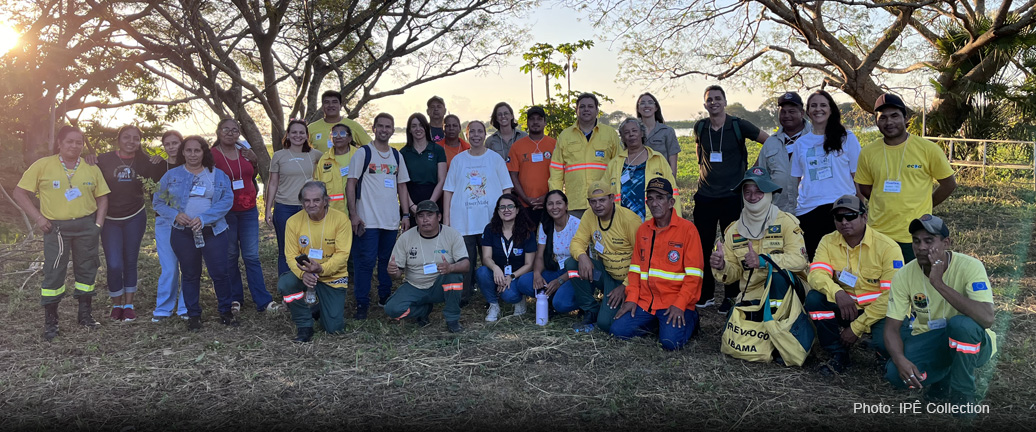
The Working Together for the Pantanal: strengthening voluntary and community participation in Integrated Fire Management project performed a pioneering participatory assessment mapping 14 community brigades in the southern Pantanal region of Mato Grosso do Sul. Through the project’s efforts, the brigades now participate in the Mato Grosso do Sul Fire Committee, enabling traditional community knowledge to be integrated into public policies. This collaboration promotes more effective decision-making in response to the climate crisis and strengthens preventive strategies for the conservation of the Pantanal ecosystems.
The initiative also supports the establishment of new brigades and the capacity building of existing ones. As a result, the safety of brigade members and the autonomy of local communities have increased, reducing environmental risks and protecting areas that are strategic for biodiversity conservation in the Pantanal.
KEY RESULTS IN 2025:
Consolidated database containing information on 14 active community brigades and 120 registered brigade members, shared with public agencies and partner organizations to strengthen interinstitutional coordination and strategic planning for Integrated Fire Management (MIF).
14 brigades and their local communities benefited from prevention, environmental education, and capacity-building activities, resulting in greater territorial protection, reduced wildfire risks, and biodiversity conservation.
120 brigade members (47% women) participated in technical training, assessment and planning workshops, and received institutional support and equipment.
One new community brigade established and two others updated in Miranda (MS), in partnership with Ecoa and Ibama/Prevfogo.
Delivery of personal protective equipment (PPE) and operational equipment to 31 brigade members from 10 brigades, increasing brigade member safety and the operational capacity of communities to protect the Pantanal.
NEXT STEPS:
Priorities include the strengthening of community brigades through new funding opportunities and projects, the expansion of technical training and access to equipment, and the consolidation of brigade integration into Integrated Fire Management (MIF) public policies in the state of Mato Grosso do Sul.
MAPPING OF VOLUNTARY AND COMMUNITY BRIGADES IN THE LEGAL AMAZON
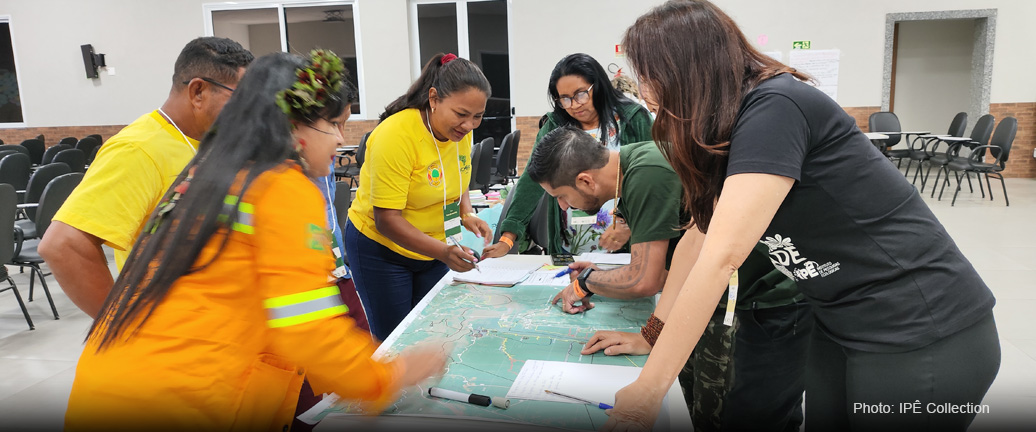
In 2025, in partnership with the Amazon Environmental Research Institute (IPAM), we started mapping voluntary and community brigades across the Legal Amazon. As part of this effort, we developed a georeferenced digital database that identifies the location of these groups and documents their operational capacities. A Priority Map for Supporting Voluntary and Community Forest Brigades was also developed in the Legal Amazon, specifically tailored to the region and adapted from a study conducted across Brazil during the development of the Federal Strategy for Volunteering in Integrated Fire Management (Estratégia Federal do Voluntariado no Manejo Integrado do Fogo). This work builds on the survey carried out by IPÊ’s Volunteering in Integrated Fire Management project, which mapped approximately 200 voluntary brigades focused on forest fire prevention and suppression across Brazil.
KEY RESULTS IN 2025:
86 voluntary and community forest brigades identified, with assessments covering their profiles, equipment, infrastructure and resources, activities, and challenges.
Implementation of the Voices of the Amazon workshop (oficina Vozes da Amazônia) with the participation of 24 brigade members (10 women and 14 men) from six states in the region, to validate and strengthen the information collected regarding their activities, impacts, and needs.
Priority Map for Supporting Voluntary and Community Forest Brigades in the Legal Amazon developed to identify gaps, including areas with lower brigade coverage, providing information to support the prioritization of prevention and response actions in critical areas of the Legal Amazon.
NEXT STEPS:
Priorities include the publication of a database containing all brigades identified over the past four years and the strengthening of these groups through new funding opportunities and projects.
AGROECOLOGY NETWORK
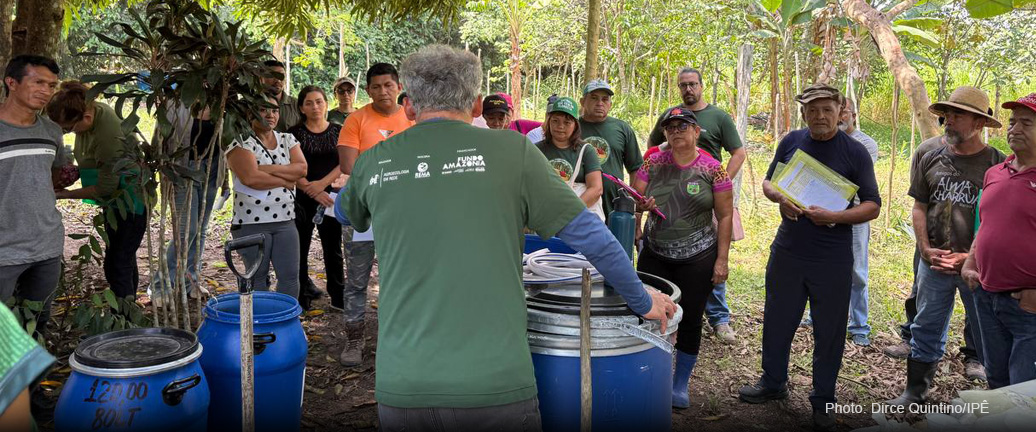
The project promotes the strengthening of agroecology and organic production in the state of Amazonas through technical assistance, farmer training, support for local organizations, improvements to production units, promotion of participatory organic certification, and support for product commercialization such as fruits, vegetables, honey, as well as community-based tourism. The initiative aims to improve the quality of life of family farmers, riverine communities, extractivists, Indigenous peoples, and agrarian reform settlers. Activities benefit seven local associations and involve 192 rural properties and 891 families across the municipalities of Manaus, Apuí, Iranduba, Rio Preto da Eva, Careiro da Várzea, Borba, Manicoré, Urucurituba, and Tefé.
KEY RESULTS IN 2025:
Establishment of the Maniva Agroecology Network and strengthening of the Participatory Guarantee System, enabling organic certification in Amazonas.
11 certified organic farms across nine municipalities and one agro-processing facility, with an estimated impact on 12.5 million hectares of forest.
Support for producers in accessing the Food Acquisition Program (Programa de Aquisição de Alimentos – PAA), the National School Feeding Program (Programa Nacional de Alimentação Escolar – PNAE), organic markets and subscription produce boxes.
137 people (66 women) trained in agroecology, bio-inputs, agroforestry systems and organic certification.
133 equipments delivered to associations, including 83 field-use items (tractors, pole pruners and shredders) and 50 administrative items (computers and printers).
891 people benefited through seven associations from training courses, support for participatory organic certification and institutional strengthening initiatives.
NEXT STEPS:
Key priorities include the expansion of organic certification and access to institutional and private markets, the diversification of agroecological production, the implementation of community agro-processing facilities, the strengthening of coordination within the Maniva Agroecology Network, and the evaluation of future opportunities in extractivism.
WILDLIFE TERRITORIES
Biodiversity loss is the primary focus of this initiative, which works to reduce habitat loss and prevent habitat fragmentation. Launched in 2025, the project is based on a strategy to improve the management of terrestrial and marine territories that are critical for large-scale conservation. This includes strengthening the management of Conservation Units (CUs), enhancing connectivity in areas outside these units, supporting the development of public policies, and disseminating knowledge.
The beneficiary implementing partners are the Ministry of the Environment and Climate Change (MMA), the Rio de Janeiro Botanical Garden Research Institute (JBRJ), and the Chico Mendes Institute for Biodiversity Conservation (ICMBio). ICMBio also serves as the Project Coordination Unit. The Brazilian Biodiversity Fund (Funbio) acts as the Implementing Agency, while IPÊ serves as the Executing Agency, responsible for resource management and monitoring results. Funding is provided by the Global Environment Facility (GEF).
KEY RESULTS IN 2025:
Cooperation Agreement signed with MMA, ICMBio, and JBRJ.
Development of the Operational Manual and 2026 Budget Plan, approved during the First Meeting of the Project Executive Committee.
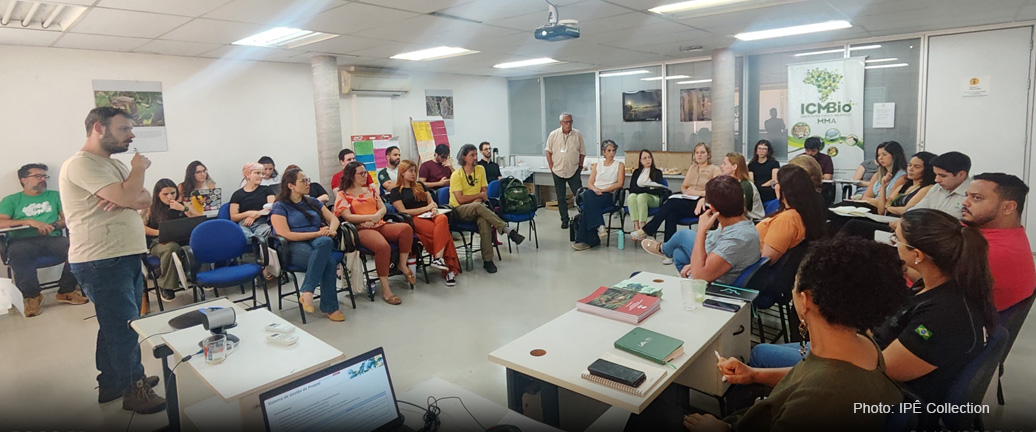
Strategic workshop conducted with MMA, ICMBio, JBRJ, and Funbio to update critical areas and align planned actions and governance, identifying synergies among initiatives.
NEXT STEPS:
Key priorities include contributing to the extinction risk assessment of 6,000 fauna and flora species, the creation of 1.4 million hectares of Conservation Units, the implementation of conservation actions across 12 million hectares, the restoration of 500 hectares, support for Integrated Fire Management across 700,000 hectares, support for the management of exotic species across 300,000 hectares, incentives for sociobiodiversity value chains in priority territories, support for the implementation of the Monitora Program in 10 Conservation Units, among other actions. The project covers all Brazilian biomes except the Amazon.
VOLUNTEERING FOR BIODIVERSITY CONSERVATION
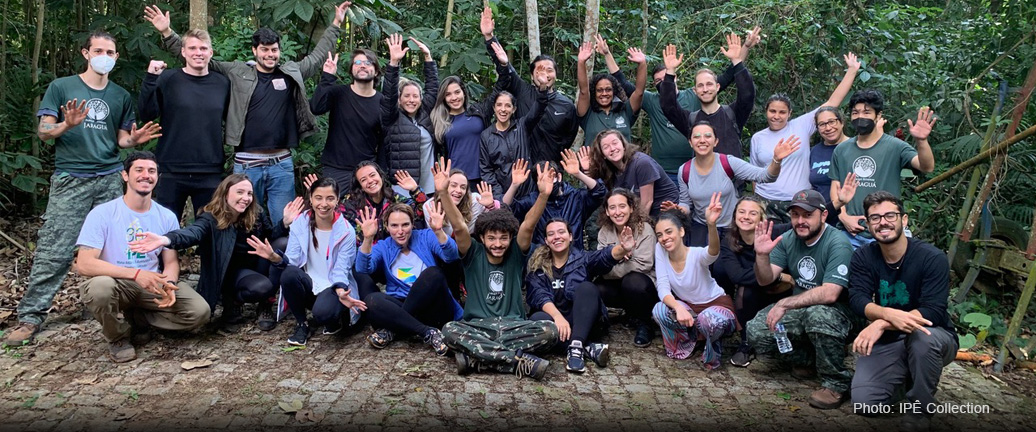
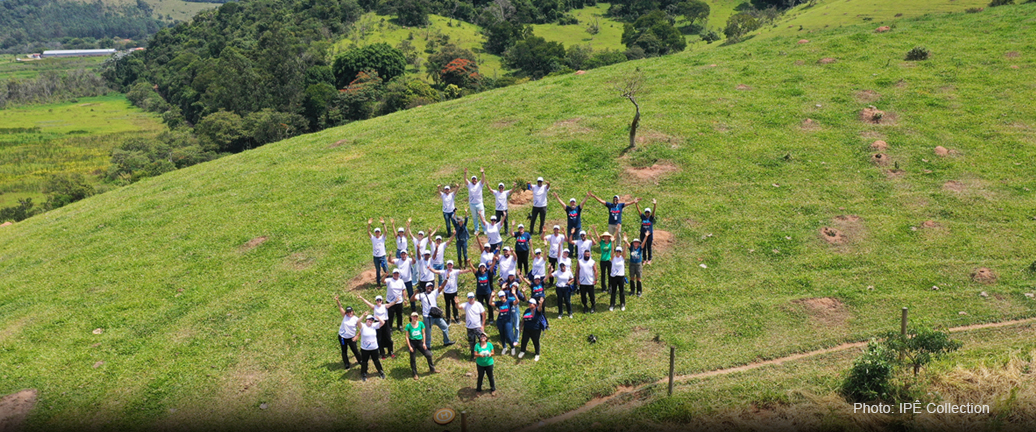
The volunteer initiatives we promote, such as planting native tree seedlings in the Cantareira System region, help bring society closer to protected areas and raise awareness of the importance of conserving nature. In 2025, we recorded 3,175 volunteer hours. Activities are carried out through the Corporate Volunteering Program, which engages employees and partners in the socio-environmental cause and promotes teamwork, with the potential to strengthen relationships between companies and their employees. During the year, 200 volunteers participated. We also operate the Volunteering for Conservation and Climate Action in Conservation Units Program.
KEY RESULTS IN 2025:
30 employees from 3M, GPA, GL Foods, Grupo Zonta (Condor Network), Jungheinrich, and CHEP participated in seedling planting and other activities at IPÊ’s headquarters in Nazaré Paulista (SP).
At Jaraguá State Park, 20 LinkedIn colaborators helped organize the native species nursery.
18 Elopar employees also carried out the same volunteer activity at Jaraguá State Park.
277 volunteer hours contributed by SAP for the development of an application to support the integration of fire brigades within the National Network of Volunteer Brigades.
32 people, including Ecoswim students and directors, organized the 18th edition of the charity swimming marathon, which raised a record BRL 50,000 for the native seedling nursery in Nazaré Paulista. The event also reached a record level of participation, with more than 1,400 swimmers.
NEXT STEPS:
Key priorities include continuing to promote the importance of incorporating employee and partner volunteering into corporate calendars and increasing private-sector engagement in volunteer initiatives carried out in partner Conservation Units.
EDUCATION
Our mission is to broaden perspectives on pathways capable of generating meaningful and shared transformation. Education is central to our projects and developed in partnership with communities, volunteers, educators, and students from Brazil and abroad, who come to recognize themselves as protagonists of the changes they wish to see in the world.
ESCAS – SCHOOL OF ENVIRONMENTAL CONSERVATION AND SUSTAINABILITY
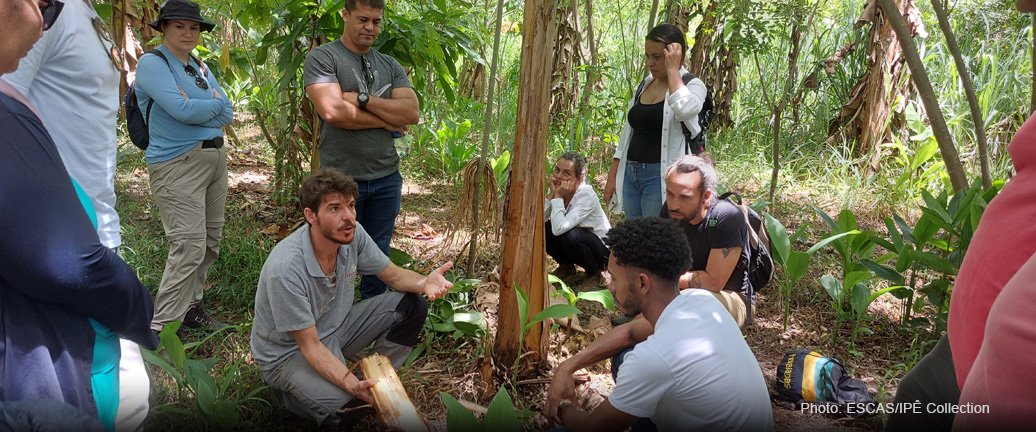
As IPÊ’s formal education arm, ESCAS, which will celebrate its 30th anniversary in 2026, is dedicated to developing leaders equipped to address some of today’s most pressing challenges in biodiversity conservation, sustainability, and climate change impacts. It is a school driven by transformative education. Among its highlights is the Professional Master’s Program in Biodiversity Conservation and Sustainability, rated 5 by CAPES, in addition to short courses and in-company training programs. To date, ESCAS has reached 8,500 professionals and graduated 290 master’s students.
The school maintains long-standing partnerships with international institutions for the training of international students. It also develops projects under the School and Community Integration concept – the practical application of environmental education that combines science, field research, and social development – such as the Education, Landscape and Community initiative implemented in the state of Espírito Santo. Its connection with IPÊ’s projects helps bring field-based knowledge into the classroom.
KEY RESULTS IN 2025:
290 students enrolled in ESCAS courses.
57 scholarships awarded, including 50 full and partial scholarships for the Professional Master’s Program.
25 master’s students graduated.
As part of the Challenge Resolution discipline, Professional Master’s cohorts from Nazaré Paulista and Southern Bahia developed projects on intentional communities and the profile of neo-rural residents in the Cantareira System region, as well as on biodiversity appreciation.
Both projects will support actions carried out by IPÊ’s Semeando Água Program and the environmental education team at Veracel S.A.
78 scientific articles published.
Courses delivered on Carbon Markets and Environmental Education and Social Media for Environmental Cause Projects, addressing current and relevant topics for stakeholder communities.
15th edition of the Conservation Biology and Practices in the Atlantic Forest course, delivered in partnership with the University of Colorado, with the participation of 15 students from the institution.
Completion of the Education, Landscape and Community project, engaging 35 families in educational activities and contributing to the restoration of approximately 65 hectares.
Delivery of a learning pathway for participants in the Petrobras Socioenvironmental Program, with emphasis on climate change, climate resilience, and climate justice.
NEXT STEPS:
Key priorities include launching the Professional Doctorate Program (stricto sensu) and expanding ESCAS’s role as a nationally and internationally recognized reference school in sustainability and biodiversity conservation, contributing to the development of transformative leaders. Additional priorities include increasing the exchange of practical knowledge between field-based initiatives and classroom content, valuing solutions developed through IPÊ projects while also recognizing the work of institutions that are references in their respective fields of expertise.
CLIMATE SCHOOLS
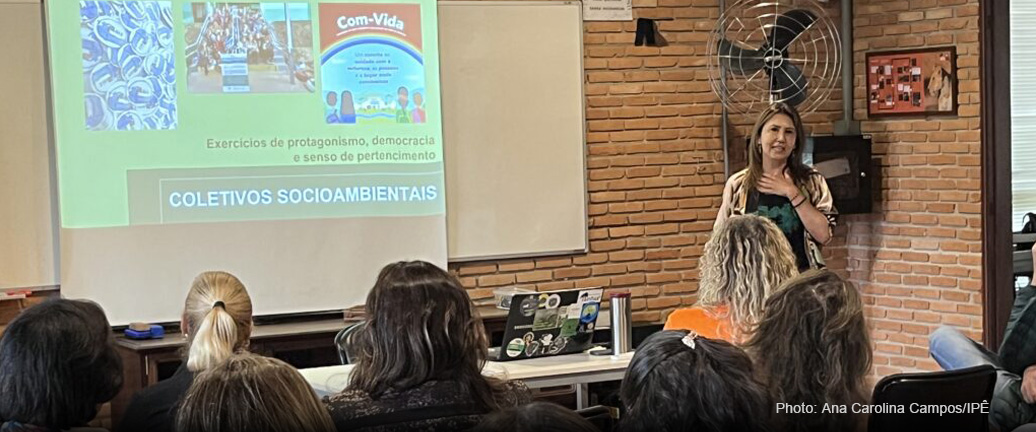
Through this initiative, public schools are empowered and supported as local hubs for climate action and biodiversity conservation. The creation of Socioenvironmental Collectives is fostered, bringing together students, educators, and the broader school community to develop sustainability assessments and action plans grounded in science, local realities, and collective solutions, with technical and financial support from the project. The methodology is participatory and cross-cutting, with content organized around seven thematic areas: climate, landscape, biodiversity, agroecological gardens, composting, selective waste collection, and educommunication.
Since 2022, the initiative has engaged more than 2,700 students and over 460 educators. One highlight is the Ipê Branco Collective from Profª Maria Eloiza Pinheiro Ramos State School in Nazaré Paulista (state of São Paulo), which implemented an agroforestry system in a 2,000 m².
KEY RESULTS IN 2025:
Launch of a systematized methodology and an interactive digital platform, enabling the model to be replicated in schools across all regions of Brazil. The technology developed supports activity implementation, evidence collection, and monitoring of Collective performance.
Private schools may also participate in the project, provided they finance their own participation and support the participation of at least one public school.
Active participation in major education events, including the 4th Interdimensional Education Seminar, in Uberlândia, (state of Minas Gerais), the 8th International Congress on Environmental Education (Manaus, statec of Amazonas), and the 6th National Children and Youth Conference for the Environment (Luziânia, state of Goiás).
Delivery of the Challenge Resolution discipline to the ESCAS Master’s cohort in Bahia, resulting in an environmental education project focused on local biodiversity conservation.
NEXT STEPS:
Key priorities include implementing the systematized methodology in public schools throughout the Cantareira System region and in other territories and biomes across Brazil.
IMMERSIONS
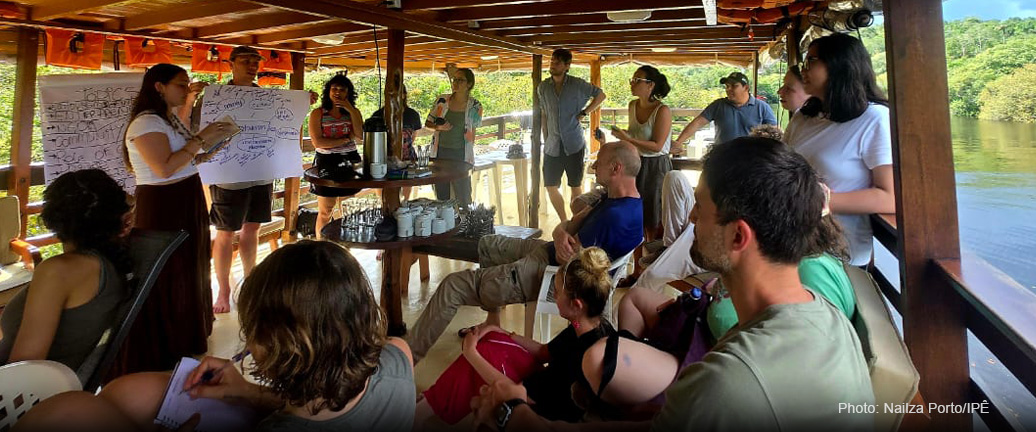
Aboard the Maíra I vessel, students and professionals from organizations, universities, and companies travel through the Lower Rio Negro region (state of Amazonas) to learn about the initiatives and conservation efforts carried out in the region through a responsible and sustainable immersion experience that respects, values, and benefits local communities. Participants gain a deeper understanding of this part of the Amazon and the sustainable business solutions promoted in the region. Through this experience, the initiative fosters experiential learning, education, and knowledge exchange.
In 2025, in partnership with the Mother Association of the Rio Negro Sustainable Development Reserve (Associação-Mãe da Reserva de Desenvolvimento Sustentável), immersion trips were carried out to the Nossa Senhora do Perpétuo Socorro community within the Reserve, where initiatives integrating freshwater turtle monitoring and community-based tourism are being carried out.
KEY RESULTS IN 2025:
180 community members benefited through Community-Based Tourism.
Support provided by the Maíra I vessel to the activities of the Navigating Entrepreneurial Education and Reflora projects, as well as to the Amazonas State Secretariat for the Environment (SEMA-AM).
Immersion trip conducted for postgraduate students from University College London and Imperial College London as well as students from ESCAS’s Professional Master’s Program.
136 people took part in the immersion expeditions, including postgraduate students, IPÊ technical staff, and participants in activities supporting SEMA-AM.
Organization of IPÊ’s quarterly meeting expedition, involving more than 150 professionals who experienced firsthand the Institute’s work in the region over the past 25 years.
NEXT STEPS:
Priorities include identifying new partners for the project and establishing the immersion program as a long-term educational strategy.
ENVIRONMENTAL LEADERSHIP TRAINING AND DEVELOPMENT INITIATIVE
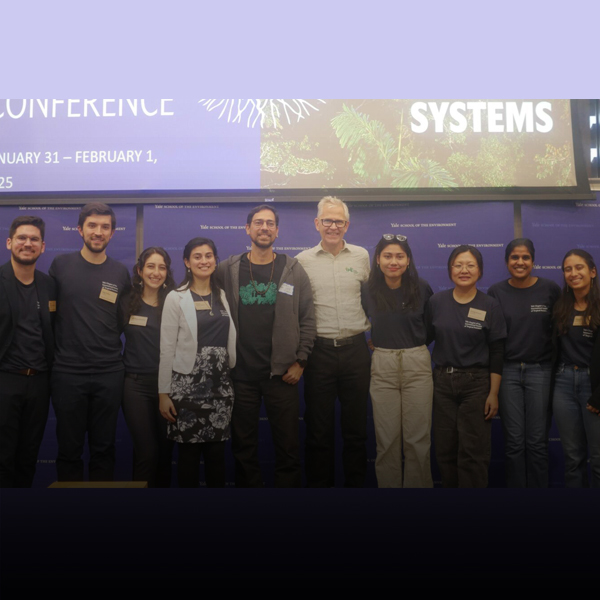
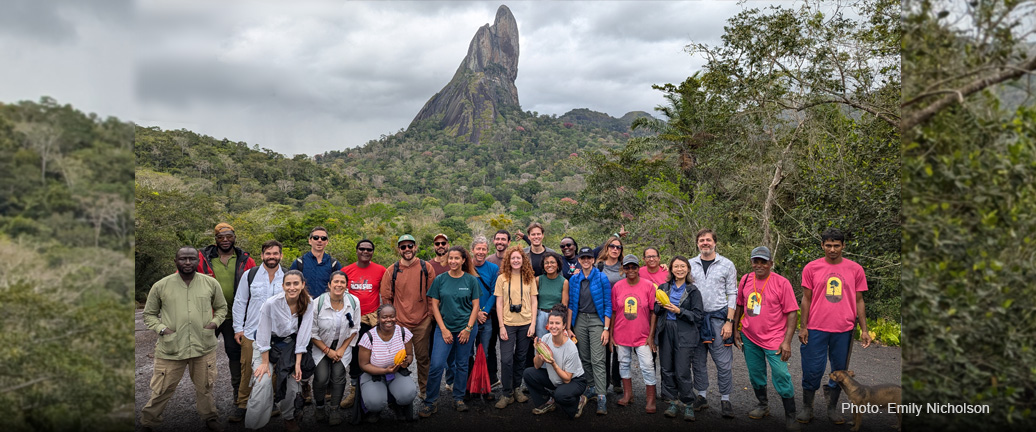
This project, developed through a partnership between IPÊ and the Yale School of the Environment, offers training in biodiversity conservation and sustainable land-use practices. Since its launch in the Cantareira System region in 2018 and its expansion to southern Bahia in 2021, it has delivered 27 courses and events, benefiting 660 participants through the end of 2025. Participants include farmers, students, rural extension professionals, and restoration practitioners. Through mentoring and funding opportunities, the initiative also supports the implementation of projects led by environmental leaders. Strategies to align conservation with productivity are based on Nature-based Solutions (NbS), promoting sustainable production systems such as native species forestry, agroforestry systems, and silvopastoral systems.
KEY RESULTS IN 2025:
5 events (106 hours of training) provided to 243 extension professionals, representatives from civil society organizations, companies, and government agencies on topics such as productive restoration, forest ecosystem restoration, and ecological corridor development.
Support provided to a former participant of the project—through funding from the Environmental Leadership Program at ELI/Yale – to organize and deliver a seminar on agroforestry systems, productive home gardens, and agro-industrialization for 30 young people from a settlement in Prado (BA).
16 participants received a 54% scholarship toward the registration fee for a field course.
NEXT STEPS:
Throughout 2026, we will offer courses on productive systems for forest ecosystem restoration, field courses for family farmers, and a webinar on financial mechanisms for restoration.
EDUCATION, LANDSCAPE AND COMMUNITY
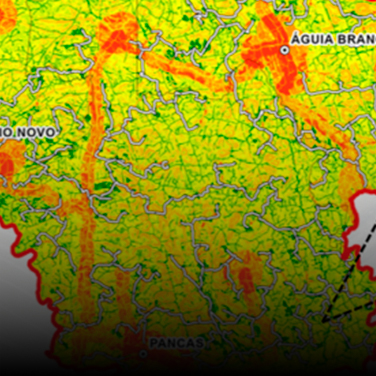
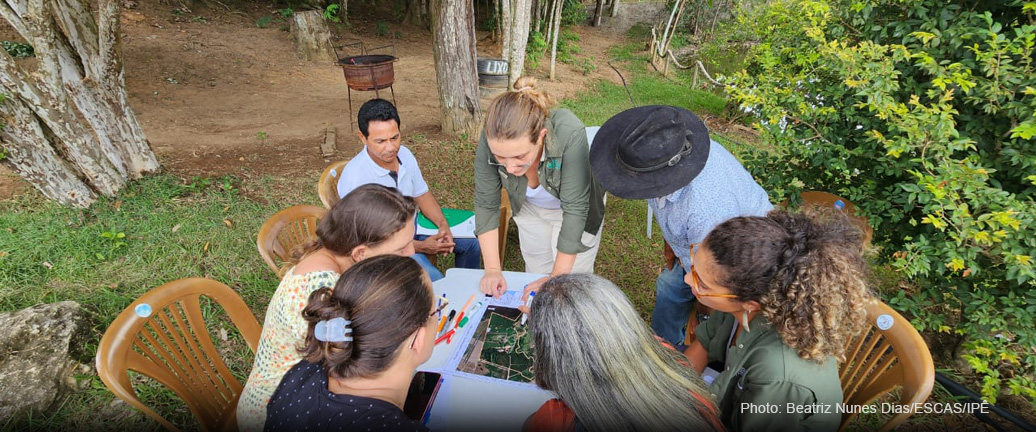
Through this project, we initiated our activities in the state of Espírito Santo, focusing on strategic areas within the Rio Doce Permanent Preservation Areas and Water Recharge Restoration Program. From July 2020 to August 2025, we adapted and implemented a social technology developed with farmers in the Pontal do Paranapanema region, in the state of São Paulo, in four rural settlements in the municipalities of Alto Rio Novo and Águia Branca (state of Espírito Santo).
The project centered on promoting forest landscape restoration in rural areas and strengthening sustainable family farming production through environmental education, training activities, and rural extension services. The project represented the launch of the School and Community Integration project line, implemented by IPÊ and ESCAS, our educational branch. The initiative received initial funding from the Renova Foundation and was later supported by the Rio Doce Basin Reparation institution until the completion of activities in August 2025.
KEY RESULTS IN 2025:
Approximately 200 hectares were identified through a participatory process as priority areas for forest restoration.
68 hectares restored using native species through seedling planting and direct seeding techniques.
150 families benefited from practical knowledge gained through courses and workshops.
Approximately 80 farming families completed property management planning.
45 hectares fenced to protect areas under forest restoration from cattle access.
Collection and commercialization of native Atlantic Forest tree seeds became an important source of supplementary income for approximately 35 families.
NEXT STEPS:
The CECSA-Climate and Climate Landscapes projects, currently underway in Espírito Santo, represent the continuation of an IPÊ strategy that aligns forest landscape restoration in rural areas with sustainable production in a region marked by significant challenges as well as important opportunities.
CECSA-CLIMATE – CENTER FOR EDUCATION AND SOCIOENVIRONMENTAL COOPERATION FOR CLIMATE
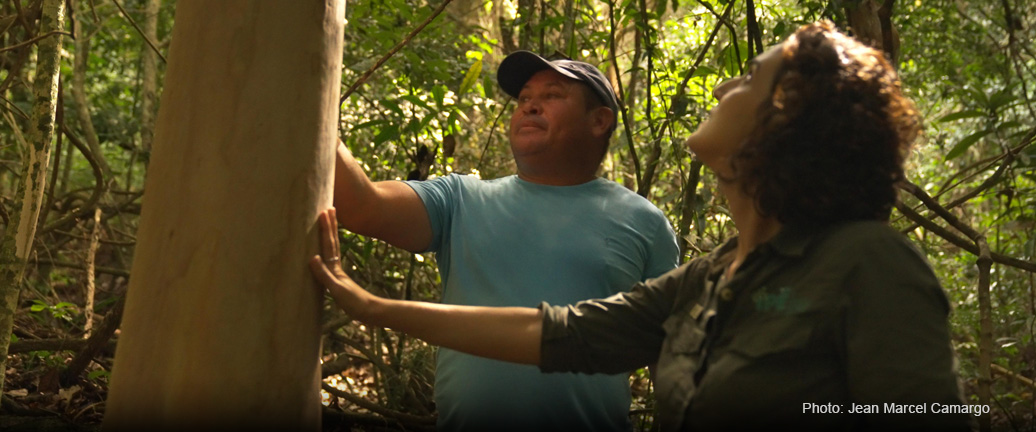
The Rio Doce Basin region, in the state of Espírito Santo, faces a risk of desertification and is also challenged by the migration of rural youth. Project activities engage institutional actors with the capacity to influence land-use practices, support the collective design of sustainable landscapes, and promote sustainable development strategies that strengthen social resilience, foster collaboration among local stakeholders, and enhance territorial governance in the face of climate change.
The initiative articulates a network of representatives from 41 institutions, including public and agroecological schools, municipal governments and departments, cooperatives, family farming associations and unions, research institutions, and rural extension organizations, united in their efforts to strengthen territorial governance, improve socioenvironmental conditions, and address the impacts of climate change.
KEY RESULTS IN 2025:
Collective development of a Territorial Cooperation Plan involving 37 local, state, and federal institutions and organizations committed to improving socioenvironmental conditions in the territory.
27 institutions also participated in the development of the Public Policy Panel, designed to improve understanding of and access to structural public policies, as well as the Strategic Sustainability Plan.
Three training courses on Project Development and Fundraising conducted with the participation of 19 institutions across the municipalities of Águia Branca, Alto Rio Novo, and Pancas.
Partner schools and farmers in the region became guardians of creole seeds, promoting the conservation and multiplication of these varieties following the Community Seed Banks and the Conservation of Heirloom Varieties seminar held in Águia Branca (ES).
148 people benefited from training activities in agroecology, institutional strengthening, and the ESCAS governance seminar.
452 people participated in environmental education activities, including students, teachers, women, municipal education department staff, farmers, seed guardians, and partner institutions.
4 educommunication publications developed by students and educators.
Formation of a student collective involving 8th and 9th grade students focused on addressing the impacts of climate change.
NEXT STEPS:
Key priorities include validating and implementing the Territorial Cooperation Plan developed through the Climate Landscapes project, with partner organizations across the territory, to guide future actions and projects and ensure continuity of the initiatives developed in the region. Additional priorities include launching the Structuring and Strengthening the Espírito Santo Agroecology and Sociobiodiversity Network project, approved under the Ecoforte program (Banco do Brasil Foundation and BNDES), which will enable the continuation and expansion of project activities, with a focus on rural women and youth.
SUSTAINABLE BUSINESSES
Socioenvironmental entrepreneurship and the consolidation of sustainable businesses across different territories are central to our work, linking socioeconomic benefits to biodiversity conservation. By valuing initiatives that prioritize standing forests, such as bioeconomy enterprises, we help ensure that communities play a leading role in developing economic and income-generation models that respect nature. We also work in partnership with companies and initiatives that support and advance socioenvironmental causes.
NAVIGATING ENTREPRENEURIAL EDUCATION IN THE AMAZON
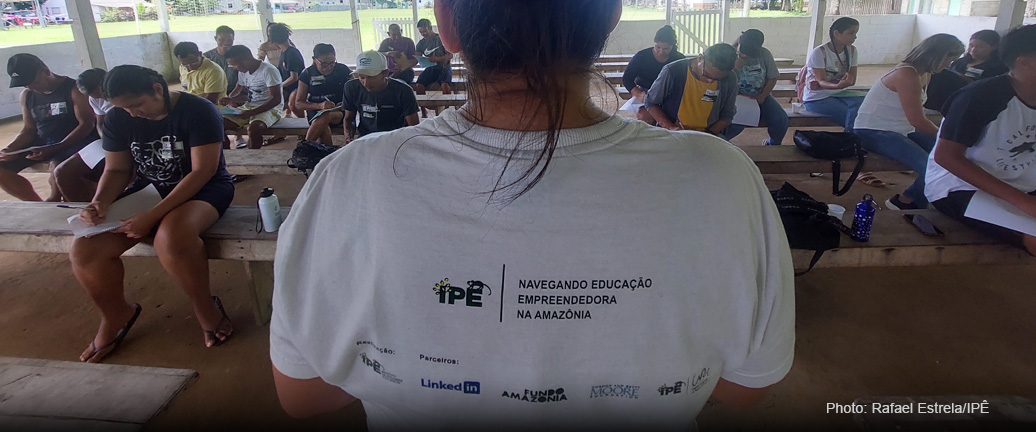
In collaboration with communities in the Puranga Conquista Sustainable Development Reserve (RDS), in the Lower Rio Negro region near Manaus (state of Amazonas), we use entrepreneurial education as a strategic tool to foster innovative solutions in a context increasingly shaped by climate change. These challenges extend beyond environmental conservation and call for new approaches to economic and social practices. Over a three-year period, the Navigating Entrepreneurial Education project provides training, technical assistance, and seed funding for community-based enterprises. The project is carried out in partnership with IPÊ’s Sustainable Business Unit and is funded by LinkedIn.
KEY RESULTS IN 2025:
The project received Yale University’s Innovation Award, selected among 56 initiatives.
2 workshops held, involving 84 participants, focused on the challenges and opportunities of sustainable entrepreneurship in the Amazon.
Business models developed for 19 new ventures.
12 projects selected in areas such as handicrafts, culture, tourism, and food production to receive technical assistance; four of them will receive investment in 2026.
3 strategic training sessions conducted in key locations across the Puranga Conquista RDS to expand participation among different communities.
NEXT STEPS:
The next phase will include continuing the mentorship of selected projects, prioritizing the development of economically viable and environmentally sustainable business models. Projects with the greatest implementation potential and socioenvironmental impact will receive initial financial support and technical assistance during implementation. These efforts will strengthen local value chains that establish the standing forest as a foundation for territorial development.
AGROFORESTRY COFFEE
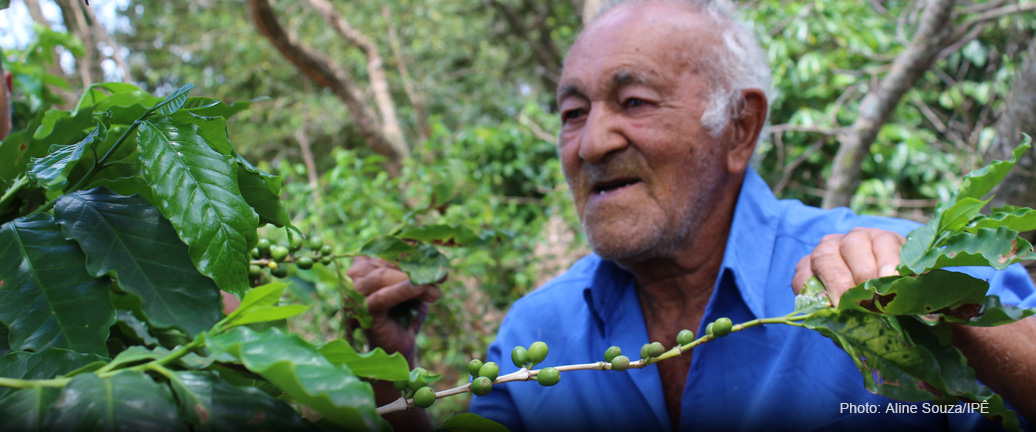
Agroforestry Systems (AFS) contribute to food diversity, increase farmers’ income, and reduce the use of pesticides. In the Pontal do Paranapanema region, western São Paulo state, 51 families benefit from AFS, particularly through agroforestry coffee cultivation. Farmers grow coffee under the shade of fruit trees, such as Tahiti lime and Pera Rio orange trees, as well as native tree species. We purchase the coffee produced by these families, process it, and support its commercialization in local markets.
For biodiversity, this system creates ecological stepping stones—areas of vegetation connected to other habitats that can be used by birds and other native wildlife as stopover points during movement across the landscape.
KEY RESULTS IN 2025:
795 kg of dry coffee cherries purchased from farmers for agroforestry coffee production.
171 kg of coffee processed, resulting in 270 packages of 500 g each, all commercialized locally by IPÊ.
NEXT STEPS:
Next priorities include continuing to purchase coffee produced in these Agroforestry Systems and processing it for local commercialization.
COMMUNITY NURSERIES
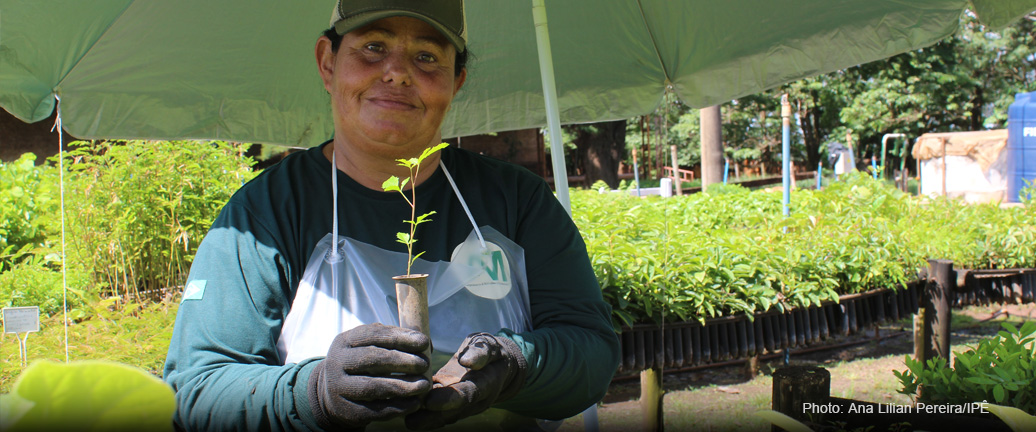
In the Pontal do Paranapanema region, western São Paulo state, we support the creation of community nurseries dedicated to producing native Atlantic Forest seedlings. These nurseries operate autonomously and supply seedlings to IPÊ, while also being able to support other initiatives. We contribute to the training of local community members to work in this sector.
The project includes the Campos da Alvorada Nursery School, where courses and training activities are offered for nursery managers and staff. IPÊ purchases seedlings from these community nurseries, as well as from other partner nurseries, for restoration efforts in the region. We currently work with 23 nurseries (17 community nurseries and 6 partner nurseries), generating employment and income for 114 people. In 2025, we purchased more than 4.7 million seedlings from these nurseries, representing a 42.42% increase compared to the previous year.
KEY RESULTS IN 2025:
4,744,250 native Atlantic Forest seedlings purchased by IPÊ for the Corridors for Life project.
Greater participation of women in nursery activities: 63 women, representing 55% of professionals working in community and partner nurseries; 9 nurseries are led by women.
Start of the construction of a model nursery with the capacity to produce 150,000 seedlings per year, scheduled for completion in 2026.
Installation of a second biodegradable tube production machine at the model nursery site.
Community nurseries replaced 35% of plastic seedling tubes with biodegradable alternatives.
40 people benefited from project activities.
NEXT STEPS:
Future efforts will focus on continuing the transition from plastic tubes to biodegradable seedling tubes, adapting production to meet the growing demand for forest restoration, and providing ongoing training for nursery managers and their staff.
IPÊ STORE
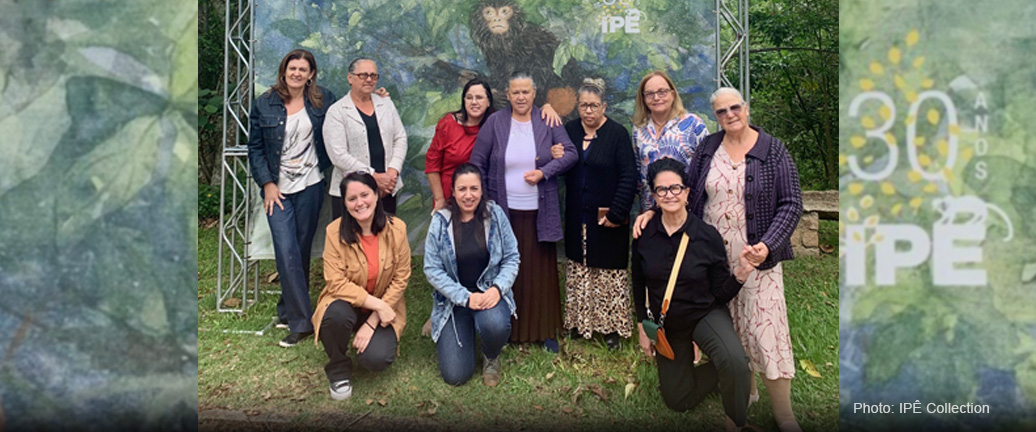
The IPÊ Store sells products that support biodiversity conservation and contribute to income generation for communities, small-scale producers, Indigenous peoples, and artisans. For more than 20 years, the store has brought together products made by local communities and cause-related marketing products developed through partnerships between IPÊ and companies. In addition to the physical store located at our headquarters in Nazaré Paulista (state of São Paulo), we operate an online store that reaches a broader audience interested in supporting our cause. Visit the IPÊ Store.
KEY RESULTS IN 2025:
BRL 120,000 in revenue generated through the sale of 2,451 items.
Of the total, 611 products sold originated from the Sewing the Future initiative (Costurando o Futuro), through which embroiderers promote Brazilian biodiversity while increasing their income.
213 items sold were produced by farmers connected to the Sowing Water, Navigating Entrepreneurial Education, and Giant Armadillo projects.
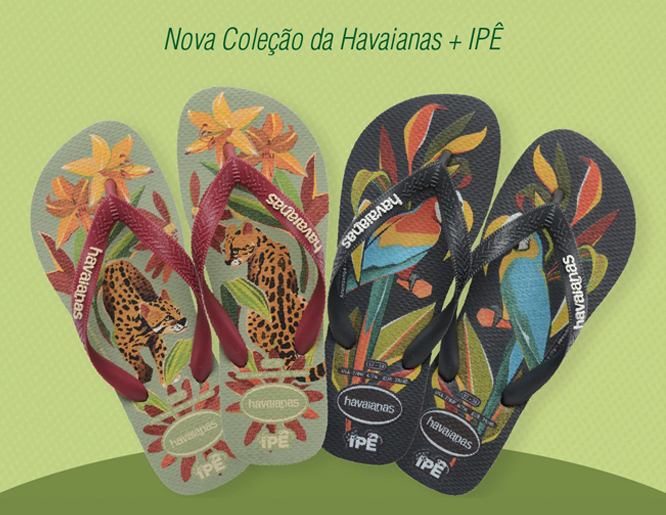
Sandals from the Havaianas–IPÊ collection are still a benchmark in Cause-Related Marketing.
Integramos o We joined the Biomes One Click Away Program (Programa Biomas a um Clique), on Mercado Livre as part of our strategy to strengthen online sales.
The store participated in in-person events such as the Atibaia Flowers and Strawberries Festival (state of São Paulo) and Casa IPÊ during COP30 in Belém (state of Pará).
NEXT STEPS:
Future efforts will focus on expanding the store through a stronger digital presence, the establishment of additional physical points of sale, and the identification of new products, always with a focus on sustainability and strengthening the communities involved.
SUSTAINABLE BUSINESS UNIT
For over two decades, the Sustainable Business Unit (UNS) has established strategic partnerships with the private sector, positioning the Institute as a reference in Cause-Related Marketing (CRM). This strategy increases the visibility of socioenvironmental causes and engages the public, while also generating essential resources to strengthen the institution’s organizational capacity. In addition to corporate partnerships, the UNS fosters sustainable businesses in the communities where IPÊ operates, helping add value to products and services and generate income for participating families.
KEY RESULTS IN 2025:
Havaianas-IPÊ
In 2025, we celebrated the 21st anniversary of our partnership with Havaianas, a brand of Alpargatas S.A. Through this partnership, 7% of the net profit from sales of Havaianas-IPÊ sandals is donated to the Institute. Over the years, 26 collections featuring 60 designs inspired by 56 native Brazilian wildlife species have been launched, resulting in the sale of 16,644,005 pairs and raising R$ 10.9 million for IPÊ.
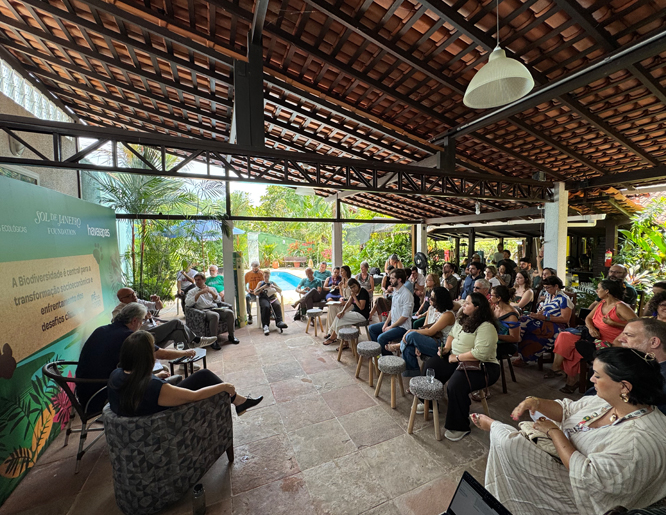
Partnership with the Sol de Janeiro Foundation
The initiative supports IPÊ’s institutional strengthening, the restoration of ecological corridors in southern Bahia, and scholarships for ESCAS students. Sol de Janeiro was also one of the sponsors of Casa IPÊ (IPÊ House) at COP30 in Belém (PA).
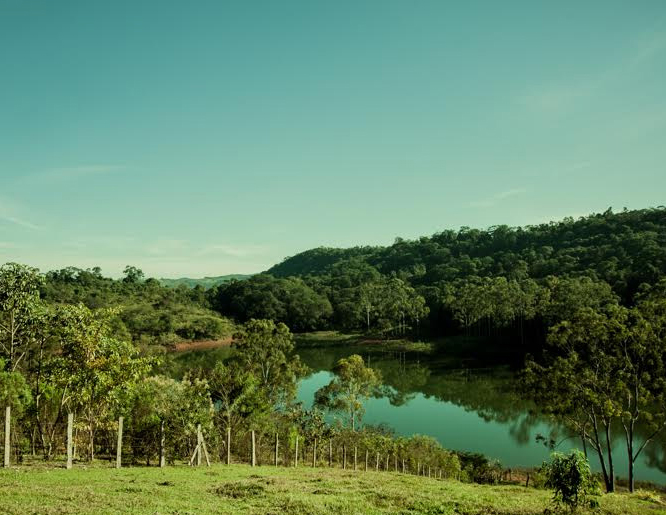
Airbnb Community Fund Grant
Social initiatives nominated by Airbnb hosts are supported through the Fund. In IPÊ’s case, a nomination by the Campinas and São Paulo Countryside Host Club resulted in a USD 40,000 grant dedicated to institutional strengthening.
Launch of IPÊ in Motion (IPÊ em Movimento)
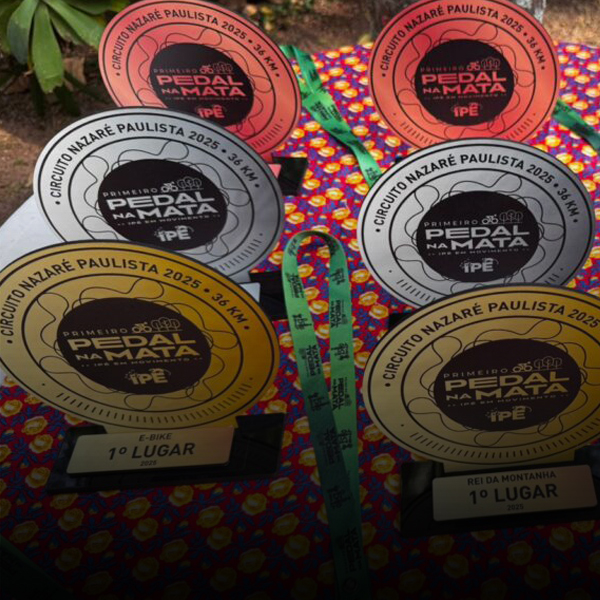
This new initiative combines biodiversity conservation with sports activities. Its first event, Pedal na Mata, held in September, brought together 100 participants across 12 km, 24 km, and 36 km mountain biking routes. Funds raised were directed to the Climate Schools project.

Ecoswim: Record Number of Participants
The swimming marathon reached a record 1,440 participants and raised an unprecedented BRL 50,000 for IPÊ’s native seedling nursery in Nazaré Paulista (SP). Organized by volunteers from the Polytechnic School of the University of São Paulo (Poli-USP), the event held in November marked its 18th edition and became part of the IPÊ in Motion initiative.
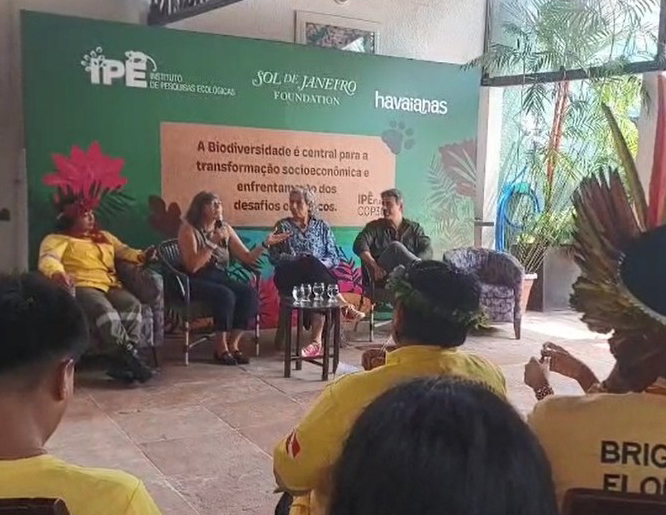
Casa IPÊ at COP30
A partnership between IPÊ, Havaianas, and Sol de Janeiro, Casa IPÊ (IPÊ House) provided an inclusive space that helped democratize access to climate discussions through more than 20 panels and activities involving representatives from companies, government, academia, civil society, and community leadership. Through careful curation and the celebration of regional culture and cuisine, the venue welcomed 1,000 visitors over the two weeks of COP30.

Partnership with RaiaDrogasil
In 2025, sales of the 18 products in the Needs Natos line, developed through a partnership between IPÊ and the RaiaDrogasil Group, generated BRL 98,103.04 for the Institute. One percent of the sales value of each product is donated to IPÊ. The line includes soaps, sunscreen, deodorants, and other products made with natural ingredients and sustainable packaging. The resources received support institutional development activities.
Study Supported by JPA
We launched the Economic Feasibility Study for Tucumã in the Puranga Conquista Sustainable Development Reserve (Manaus) to strengthen the value chain associated with this resource. The initiative is funded by JPA – Together for the Amazon, an initiative of the Grupo +Unidos.
NEXT STEPS:
We will continue to develop and strengthen national and strategic partnerships with companies interested in promoting and expanding the impact of social and environmental initiatives in collaboration with IPÊ.